Bitcoin’s pullback is unfolding in a manner consistent with prior market cycles, and the correction may not be over, according to Michael Terpin, founder and CEO of Transform Ventures.
Speaking at Consensus Hong Kong 2026, Terpin said the market’s trajectory aligns closely with bitcoin’s historical four-year pattern centered on its halving events, challenging recent claims that a durable bottom has already formed.
He rejected the notion that bitcoin would stabilize at $80,000 and endure only a short-lived downturn. Predictions of a swift rebound from $60,000 levels also appear premature, he argued.
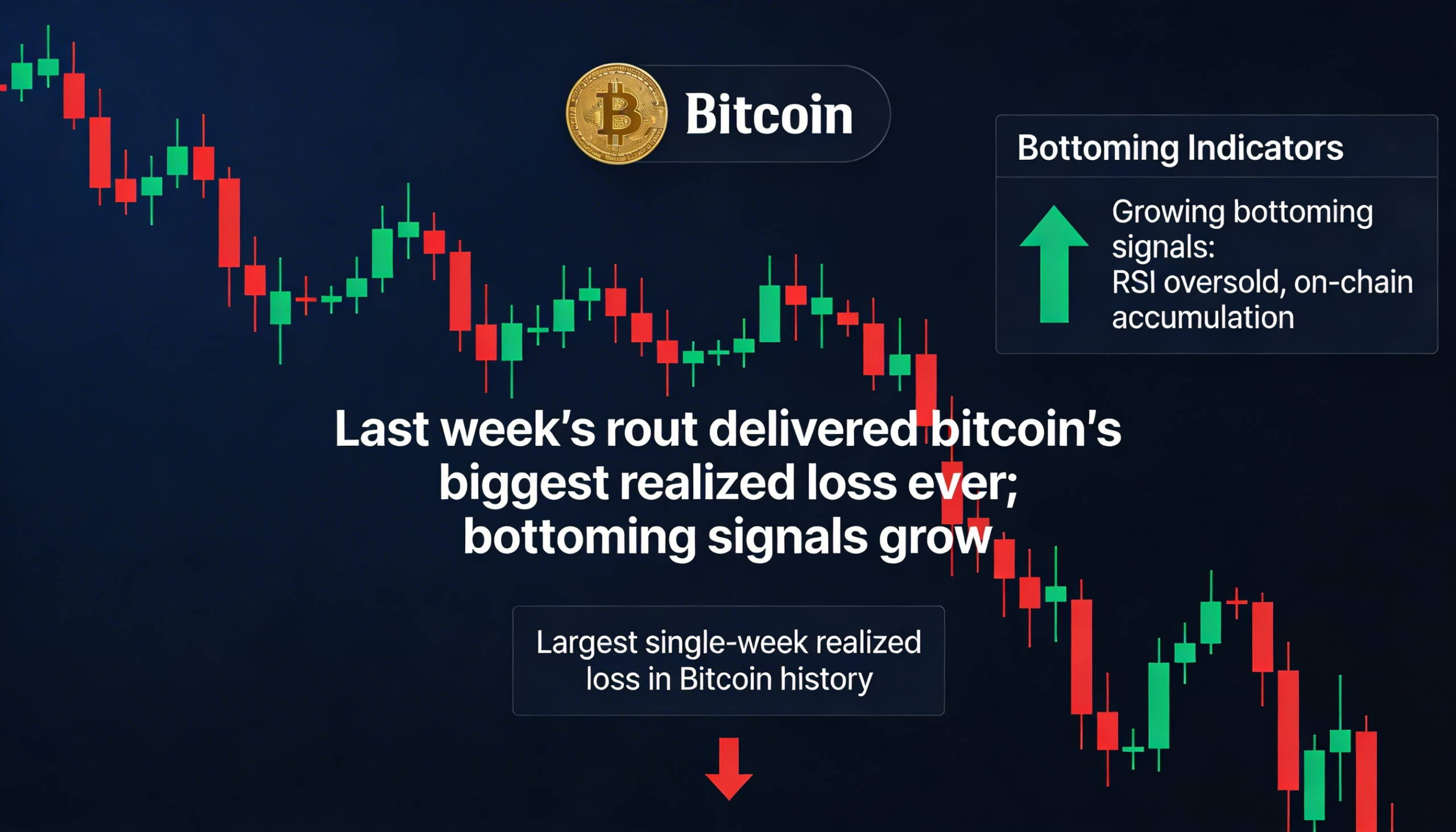
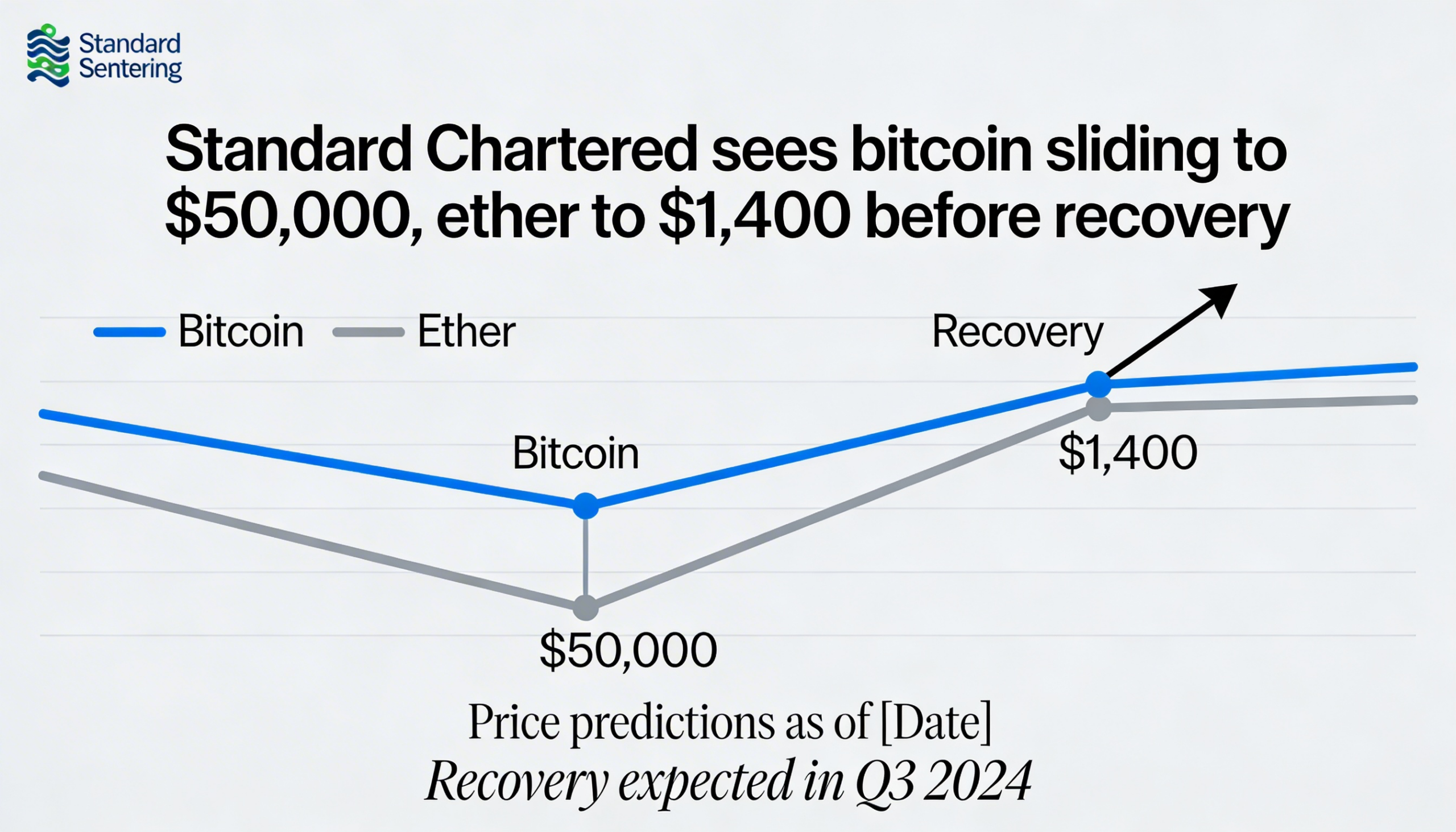
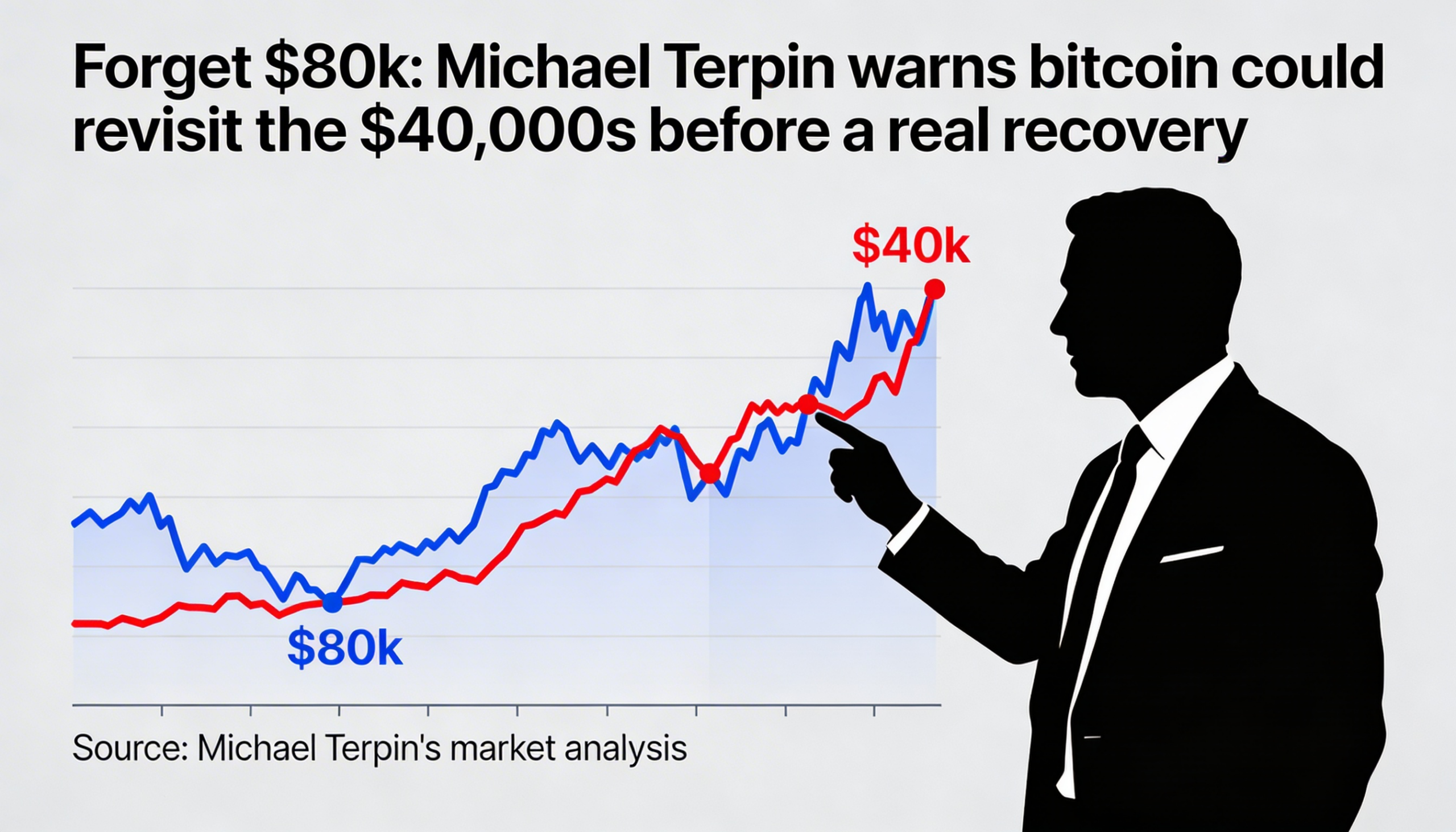
Although Terpin does not anticipate an extended, multi-year bear market, he cautioned that the current environment remains fragile and could produce “one more point of pain.” In his view, bitcoin may need to revisit the $50,000 range — or potentially slide into the $40,000s — before establishing a lasting floor.
Terpin’s outlook hinges on the halving mechanism, a core feature of bitcoin’s design that reduces miner rewards approximately every four years. By cutting the rate of new supply entering circulation, halvings reinforce bitcoin’s scarcity and gradually lower its inflation rate, ultimately capping total issuance at 21 million coins.
Historically, these programmed supply shocks have preceded major bull runs as reduced issuance meets steady or rising demand. However, they have also been followed by speculative excess and pronounced corrections.
“We are exactly where we should be,” Terpin said, emphasizing the consistency of bitcoin’s cyclical behavior.
He noted that in previous cycles, the bull market peak has typically occurred in the fourth quarter following a halving, with the euphoric phase lasting roughly nine to 11 months. In the current cycle, he said, that upswing persisted for about 11 months before reversing.
Looking to the last cycle, Terpin highlighted a striking alignment: bitcoin reached its high on Nov. 10, 2021, and the eventual low came shortly after the collapse of FTX on Nov. 10, 2022 — almost exactly one year later.
For Terpin, those historical parallels suggest the present correction is less an anomaly and more a continuation of bitcoin’s established boom-and-bust rhythm.