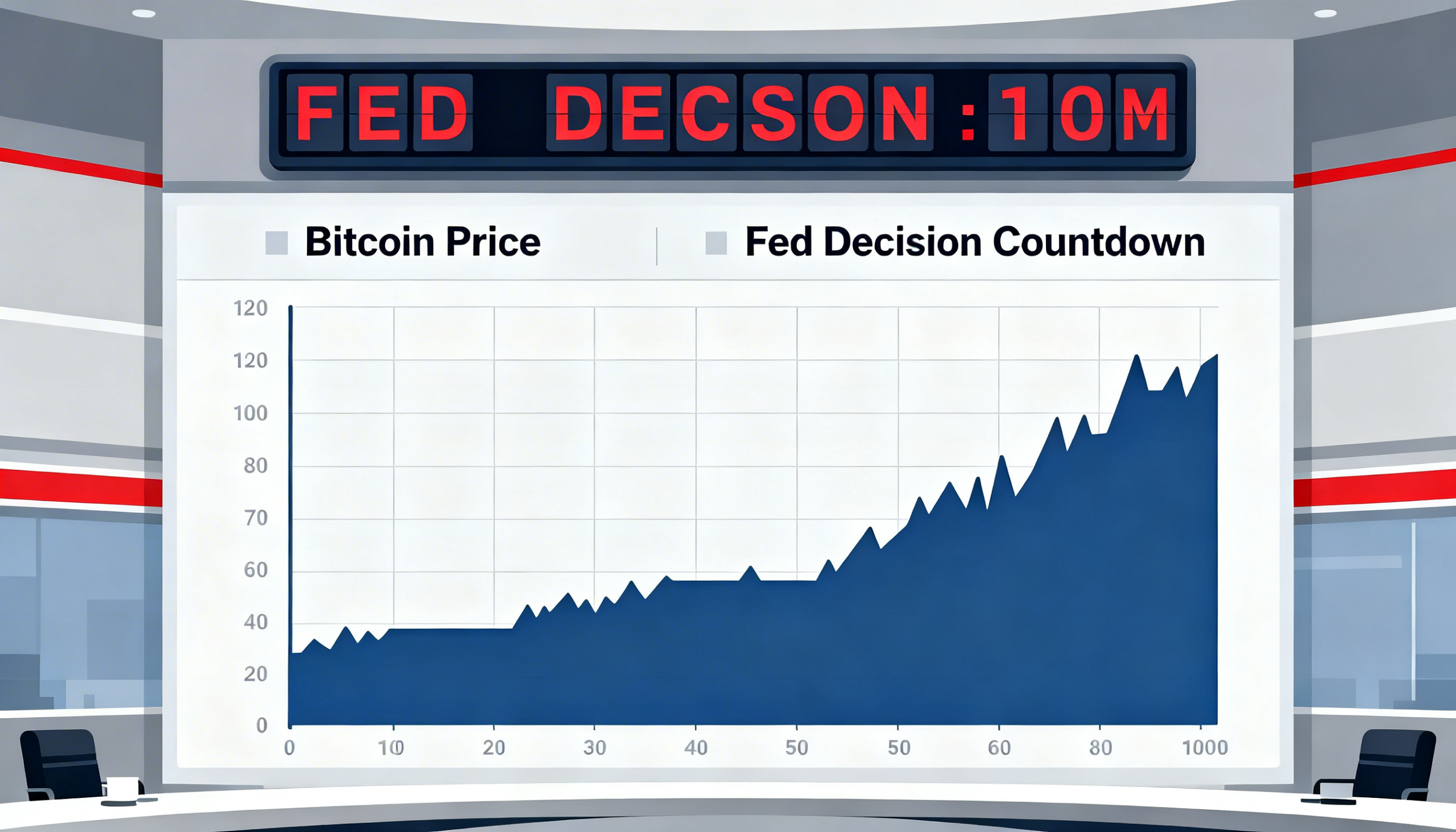
Bitcoin declined about 2% but proved relatively resilient compared to precious metals as oil prices surged and hawkish signals from the Federal Reserve reinforced a risk-off tone across global markets.
gold and silver saw steeper losses, with gold dropping roughly 2% since midnight UTC—about twice Bitcoin’s decline. The relative outperformance pushed the BTC-to-gold ratio higher by around 1% over the past 24 hours, with one bitcoin now equivalent to nearly 15 ounces of gold.
Gold’s weakness follows an extended rally earlier this year. The metal had climbed nearly 90% over the previous 12 months and reached record highs before geopolitical tensions escalated in the Middle East, leaving it overbought and susceptible to a pullback.
Since the conflict began, the trajectories of Bitcoin and gold have diverged. Bitcoin—often referred to as “digital gold”—had previously fallen around 50% since October, leaving it oversold, but has since rebounded and become one of the stronger performers outside energy markets. Gold, meanwhile, has slipped roughly 17% from its January peak, nearing bear-market territory.
The macroeconomic backdrop is adding to the pressure. The Fed’s latest communication struck a more hawkish tone, pushing back against expectations for near-term rate cuts and tightening overall financial conditions.
Risk assets have responded negatively. U.S. equities were lower in premarket trading, with the Invesco QQQ Trust down about 0.5%. Crypto-related stocks also weakened, including MicroStrategy, Galaxy Digital, and Coinbase.
At the same time, escalating tensions involving Iran pushed Brent crude more than 6% higher over the past 24 hours to around $117 per barrel. The widening spread between Brent and West Texas Intermediate—now at its largest since 2013—signals supply disruptions and logistical bottlenecks, adding to inflationary pressures and complicating the outlook for central banks.