Bitcoin shifts from reacting to the Fed to anticipating it, Binance says
Bitcoin’s long-standing relationship with central bank policy is undergoing a significant reversal, according to new research from Binance, with the asset now appearing to move ahead of monetary policy rather than in response to it.
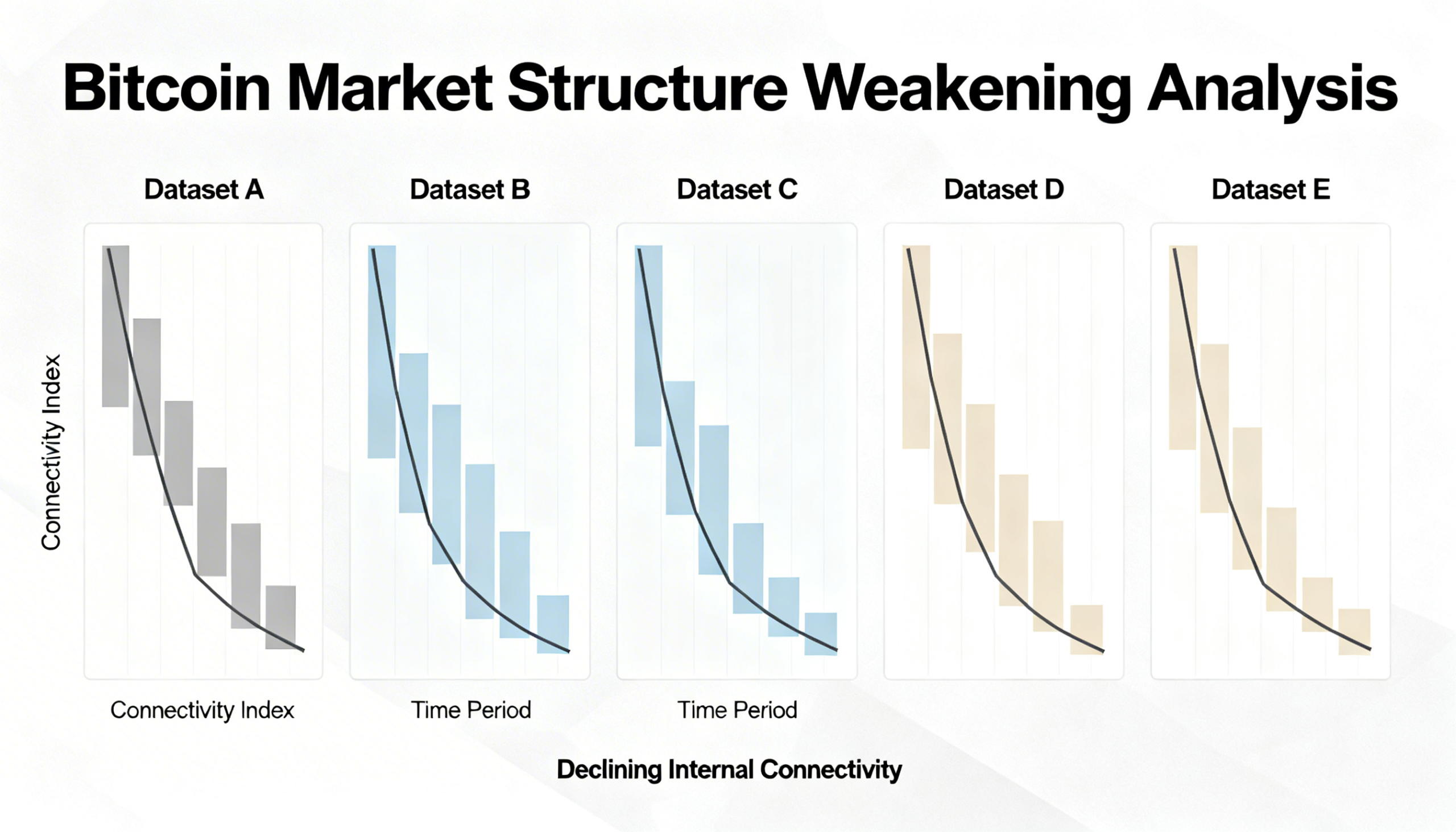
In previous cycles, bitcoin behaved like a typical risk asset—falling during periods of tightening and rising as liquidity conditions improved. That pattern is now breaking down. Binance data shows bitcoin’s correlation with its Global Easing Breadth Index, which tracks 41 major central banks, has turned decisively negative since 2024.
The turning point coincides with the approval of spot bitcoin ETFs in the United States in January 2024. Before that, bitcoin maintained a modest positive correlation with global easing trends, typically lagging policy moves by several months. The relationship has now flipped, with the inverse correlation becoming markedly stronger.
The shift points to a change in market leadership. Retail investors once dominated crypto markets and tended to react to macro developments after they occurred. The introduction of ETFs has brought in institutional capital, with investors more inclined to position ahead of expected policy shifts, effectively treating bitcoin as a forward-looking asset.
Binance Research suggests bitcoin has transitioned from a “lagging receiver” to a “leading pricer” of macro conditions. In this new structure, peaks in monetary easing may already be reflected in bitcoin’s price, while other drivers—such as institutional inflows and regulatory progress—play a more prominent role.
The findings come as global markets face renewed uncertainty. Rising oil prices and escalating geopolitical tensions in the Middle East have fueled concerns about stagflation, while interest rate expectations have swung from anticipated cuts to the possibility of further hikes—conditions that have historically weighed on risk assets.
Despite this backdrop, Binance argues that market fears may be overstated. In prior cycles, central banks have often shifted toward supporting growth even amid inflation pressures. If that pattern holds, bitcoin could once again move ahead of policy, pricing in a future pivot before it is fully reflected in traditional markets.