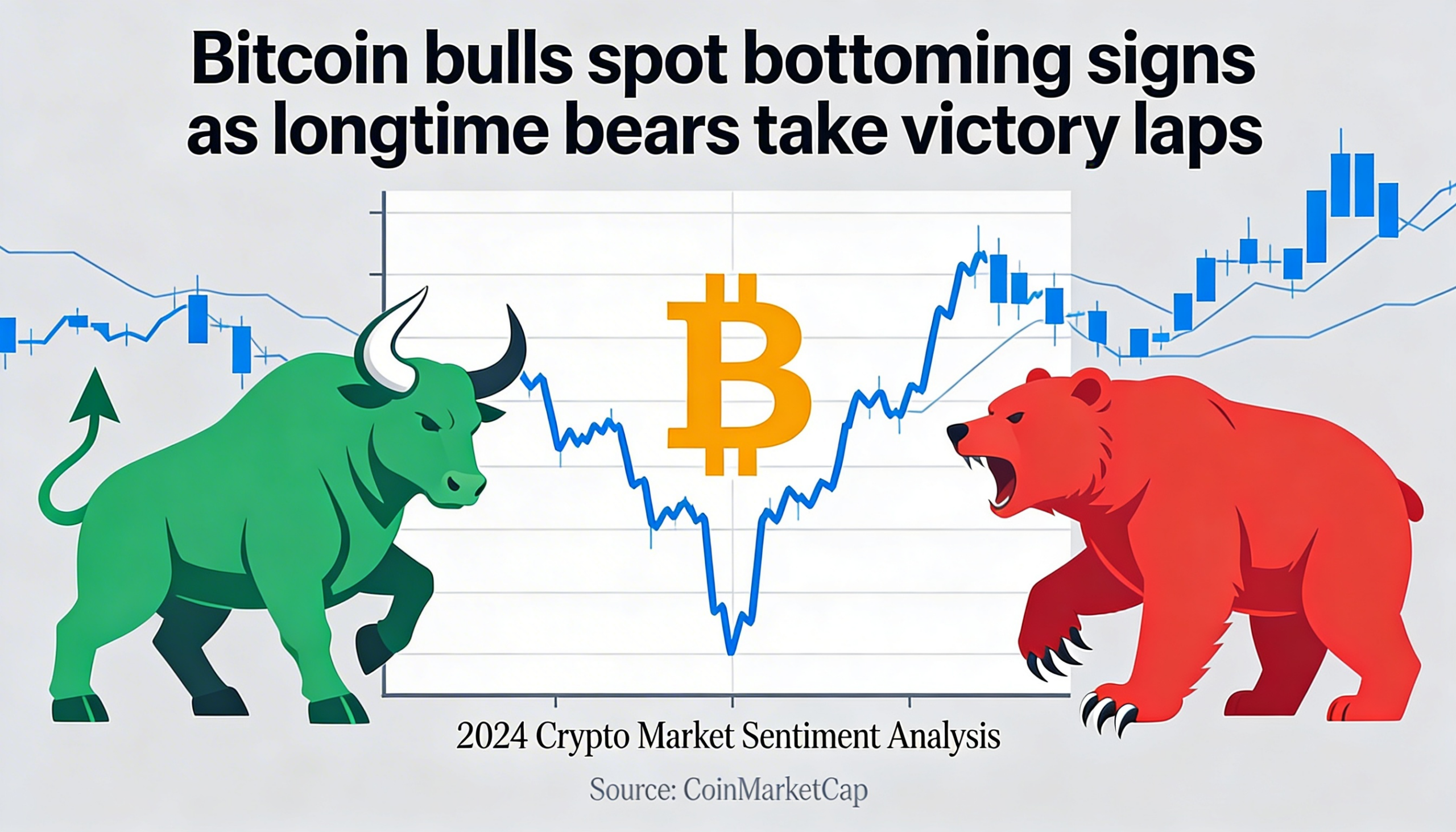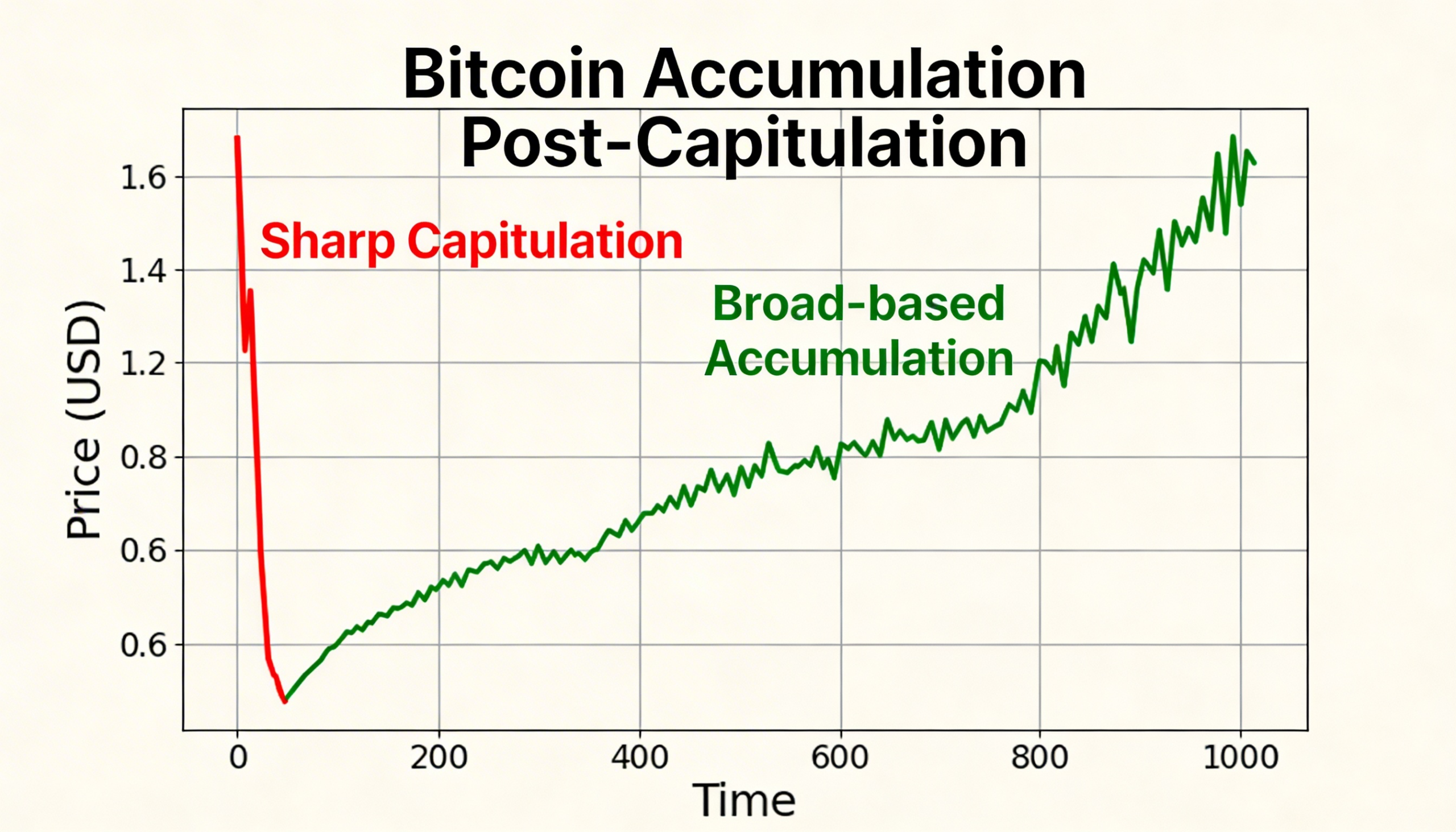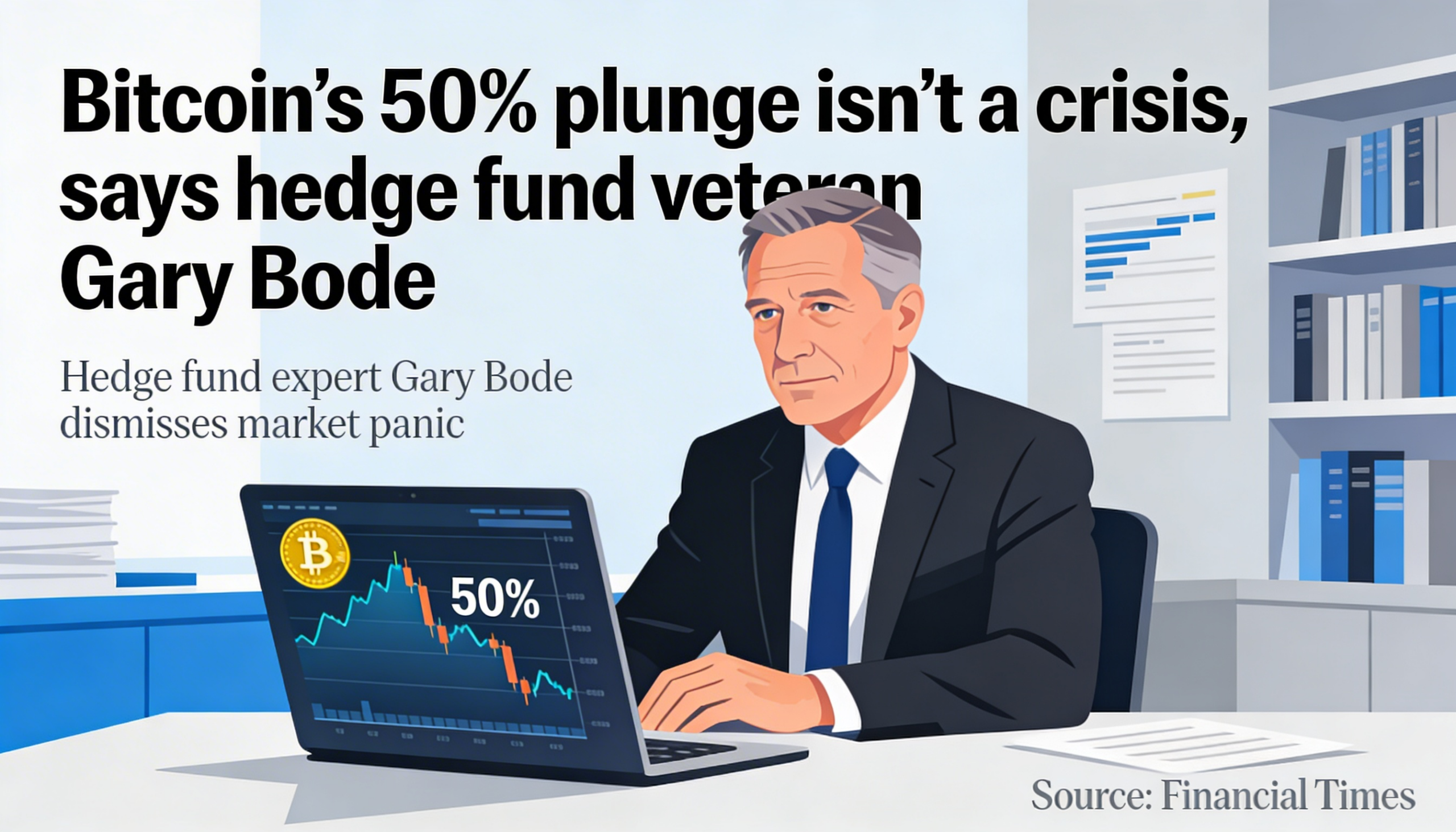
Bitcoin’s recent selloff, which has erased nearly 50% from its recent highs, reflects the asset’s inherent volatility and a market misreading of Federal Reserve policy rather than any structural weakness, according to hedge fund veteran Gary Bode.
The sharp decline has revived questions about bitcoin’s durability, but Bode argues that large drawdowns are a recurring feature of the asset and not a signal of systemic stress. In his view, volatility is intrinsic to bitcoin’s design and has historically preceded strong long-term performance.
In a post on X, Bode described the drop as “unpleasant and jarring,” but emphasized that such moves are far from unusual. “Eighty to ninety percent drawdowns are common,” he said, adding that investors who have endured bitcoin’s volatility have historically been rewarded over time.
Bode attributed much of the recent turbulence to market reaction following the nomination of Kevin Warsh to succeed Jerome Powell as Federal Reserve chair. Investors interpreted the move as signaling a shift toward tighter monetary policy, pressuring non-yielding assets such as bitcoin, gold and silver. That interpretation, he said, triggered margin calls on leveraged positions and intensified the selloff.
He challenged that view, pointing to Warsh’s past public support for lower interest rates and comments from President Trump suggesting Warsh had committed to keeping the federal funds rate low. Bode also argued that persistent, multi-trillion-dollar fiscal deficits constrain the Fed’s ability to meaningfully influence longer-term Treasury yields, which play a greater role in determining borrowing costs. “I think the market got this one wrong,” he said, arguing that sentiment rather than fundamentals drove the decline.
Bode also rejected other common explanations for the selloff. One theory centers on early bitcoin holders, or “whales,” offloading large positions. While he acknowledged that some large wallets have been active, Bode described the activity as routine profit-taking rather than evidence of long-term weakness. Sales by early adopters, he said, offer limited insight into bitcoin’s future direction.
He further pointed to Strategy (MSTR) as a potential source of near-term pressure. The company’s shares fell as bitcoin dropped below the prices at which it accumulated much of its holdings, raising concerns that founder Michael Saylor could be forced to sell. Bode characterized that risk as real but limited, comparing it to investor anxiety when a prominent buyer amasses a large stake. Any resulting selling, he said, would likely be temporary and would not undermine bitcoin’s broader thesis.
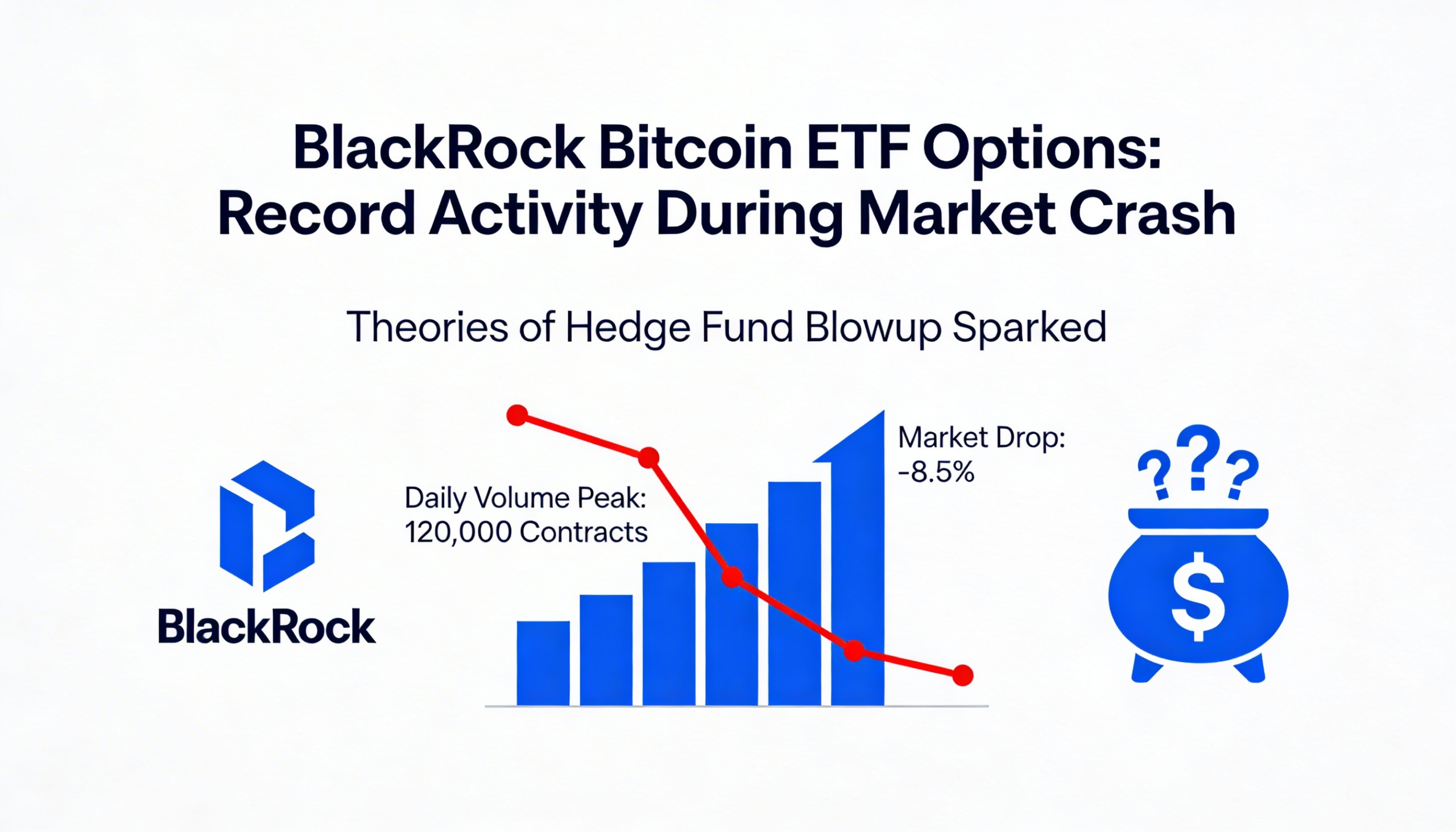
Bode also addressed concerns around the growth of “paper bitcoin,” including exchange-traded funds and derivatives that provide price exposure without transferring ownership of the underlying asset. While these instruments increase the amount of bitcoin exposure available for trading, he said they do not change bitcoin’s fixed supply cap of 21 million coins, which remains central to its long-term value. He likened the dynamic to the silver market, where expanded paper trading can initially weigh on prices until physical demand reasserts itself.
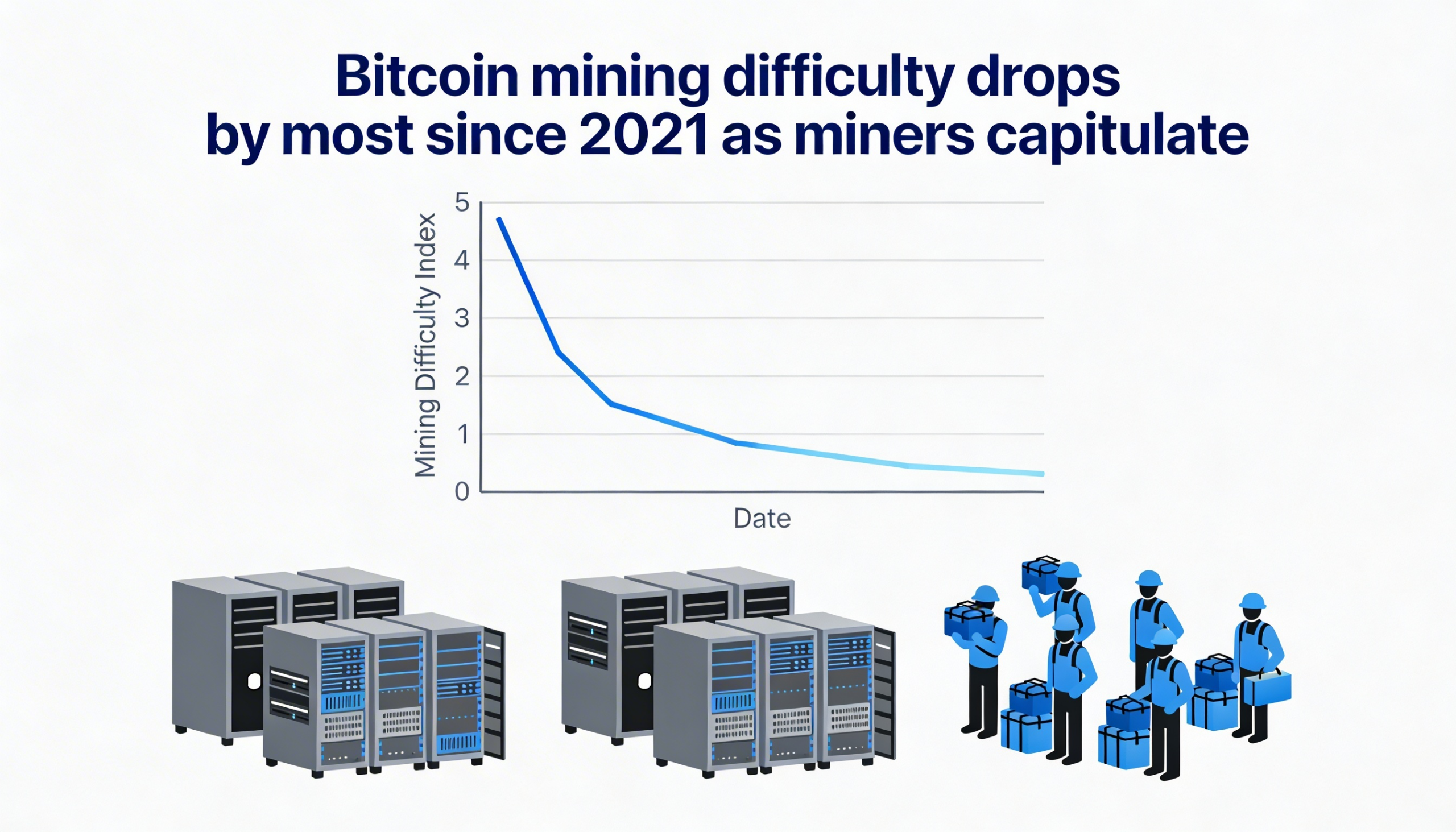
Concerns that rising energy costs could damage bitcoin mining economics and reduce the network’s hash rate are also overstated, Bode said. Historical data shows that hash rate declines, when they occur, tend to follow price drops rather than precede them. He also pointed to emerging energy technologies, including small modular nuclear reactors and solar-powered data centers, as potential sources of lower-cost power for miners in the future.
Finally, Bode pushed back against claims that bitcoin cannot function as a store of value because of its volatility. He argued that all assets carry risk, including fiat currencies issued by heavily indebted governments. While paper instruments can influence short-term price movements, he said bitcoin’s long-term value remains anchored by its fixed supply and permissionless structure.
Ultimately, Bode views the recent decline as a reminder of bitcoin’s defining characteristics rather than evidence of a broader crisis. Sharp price swings, he argues, are part of the asset’s nature and should not be mistaken for signs of systemic failure