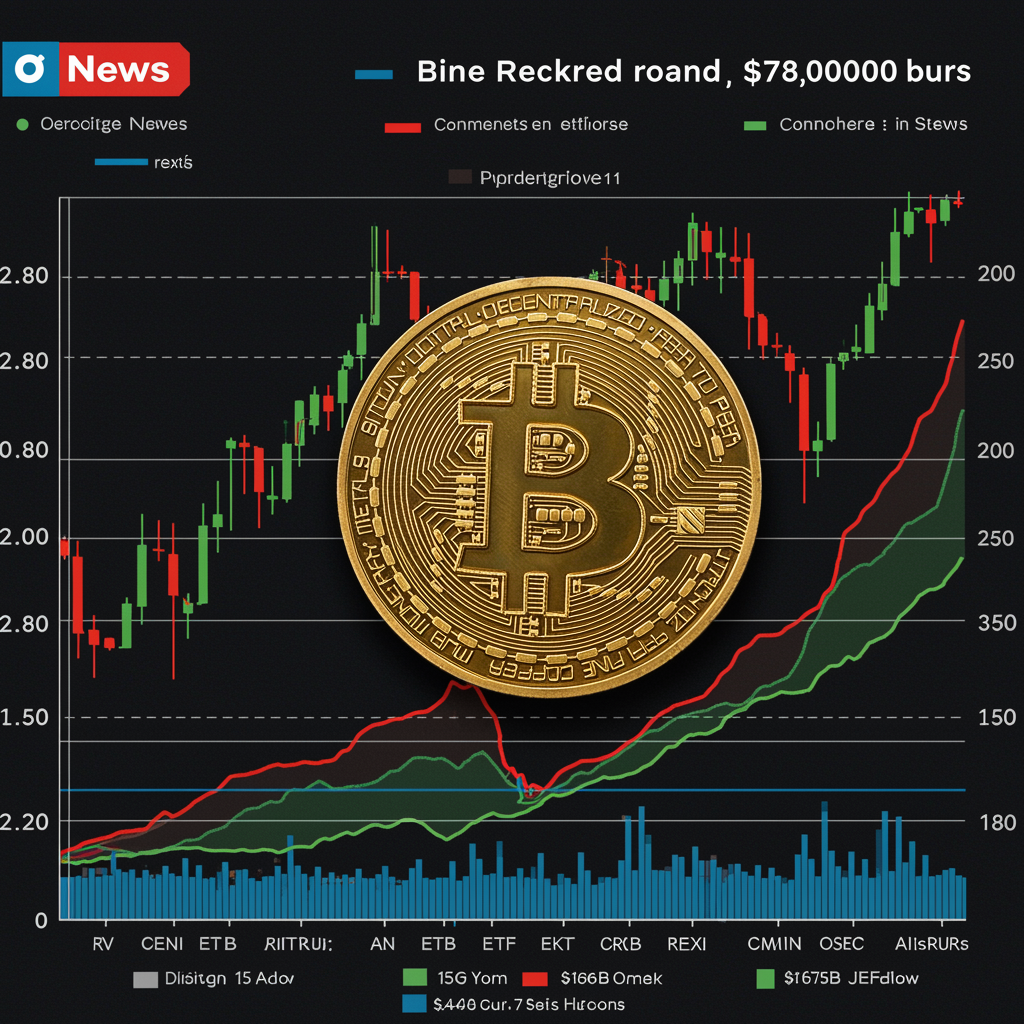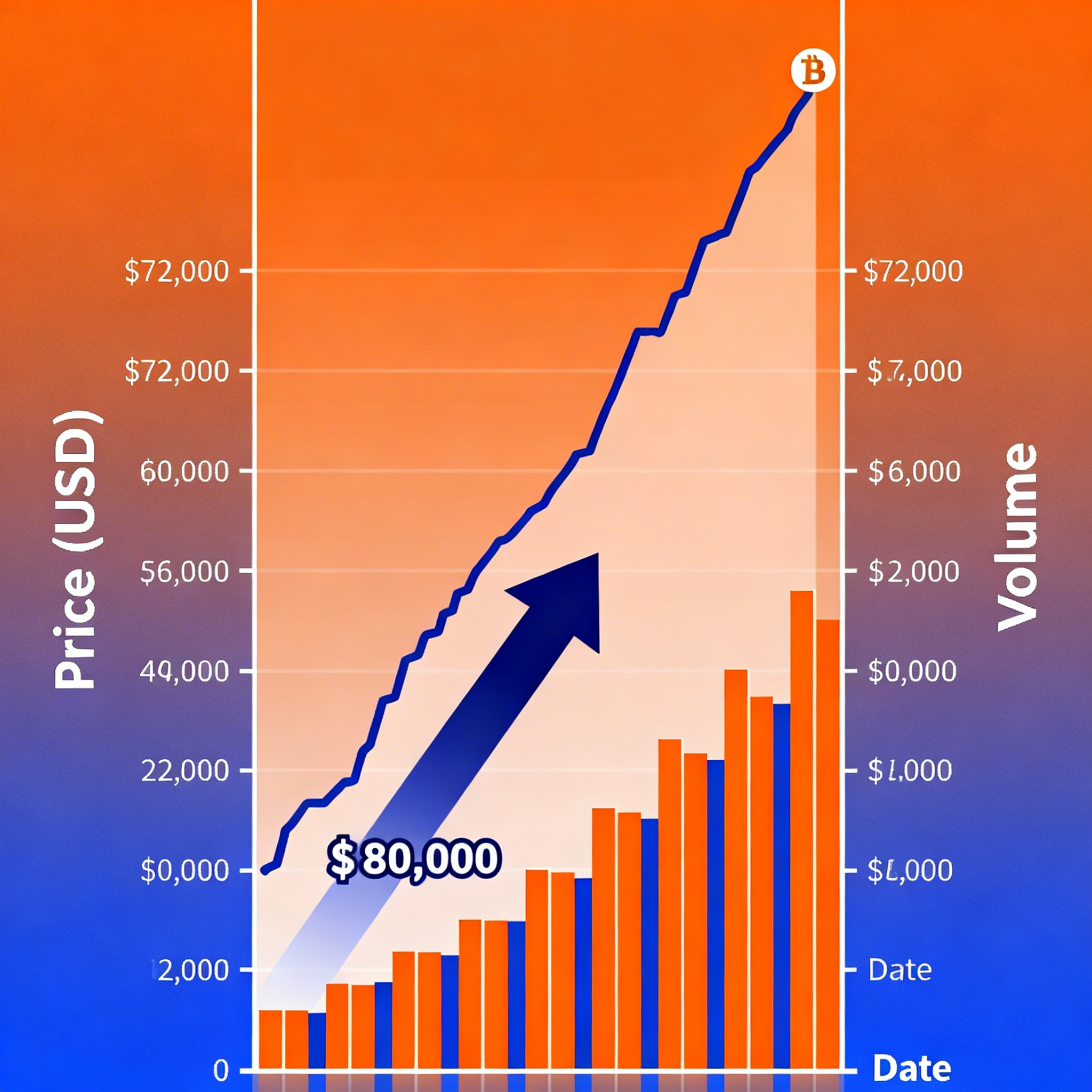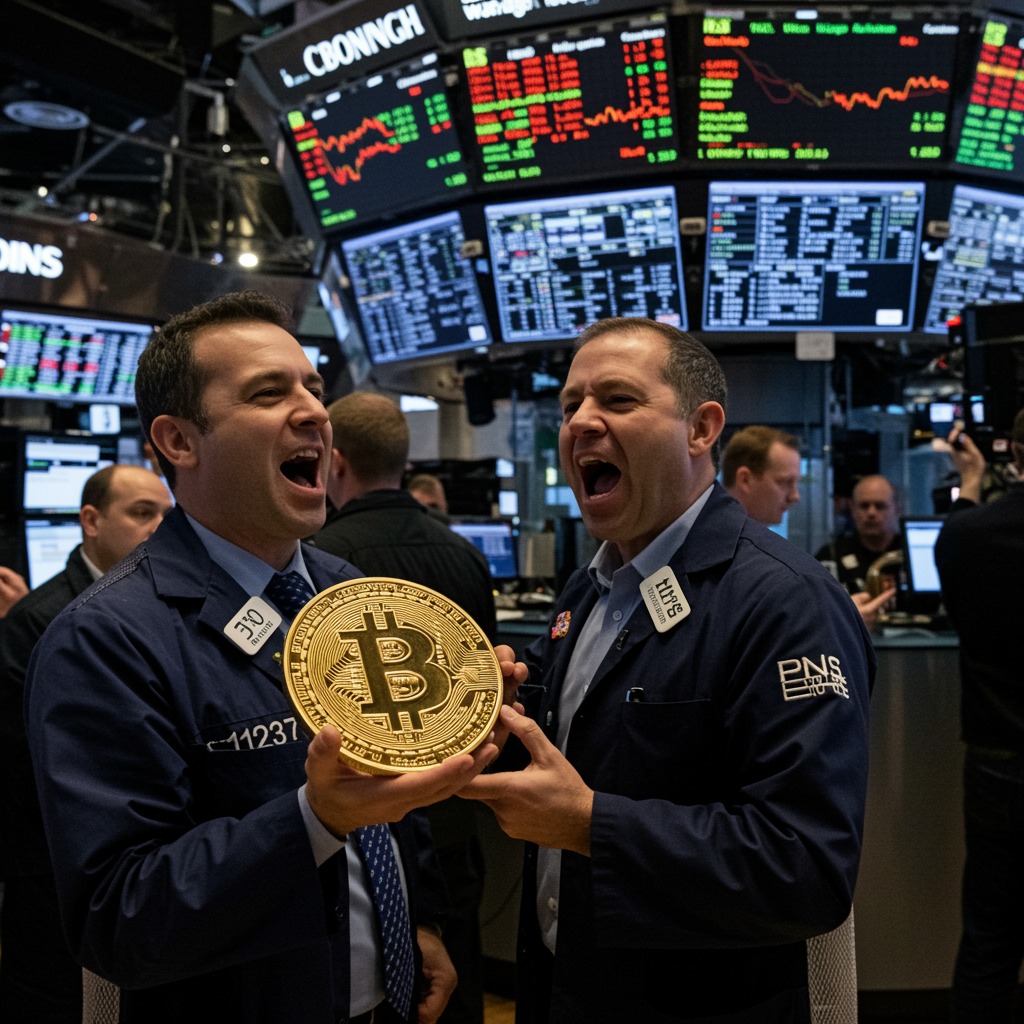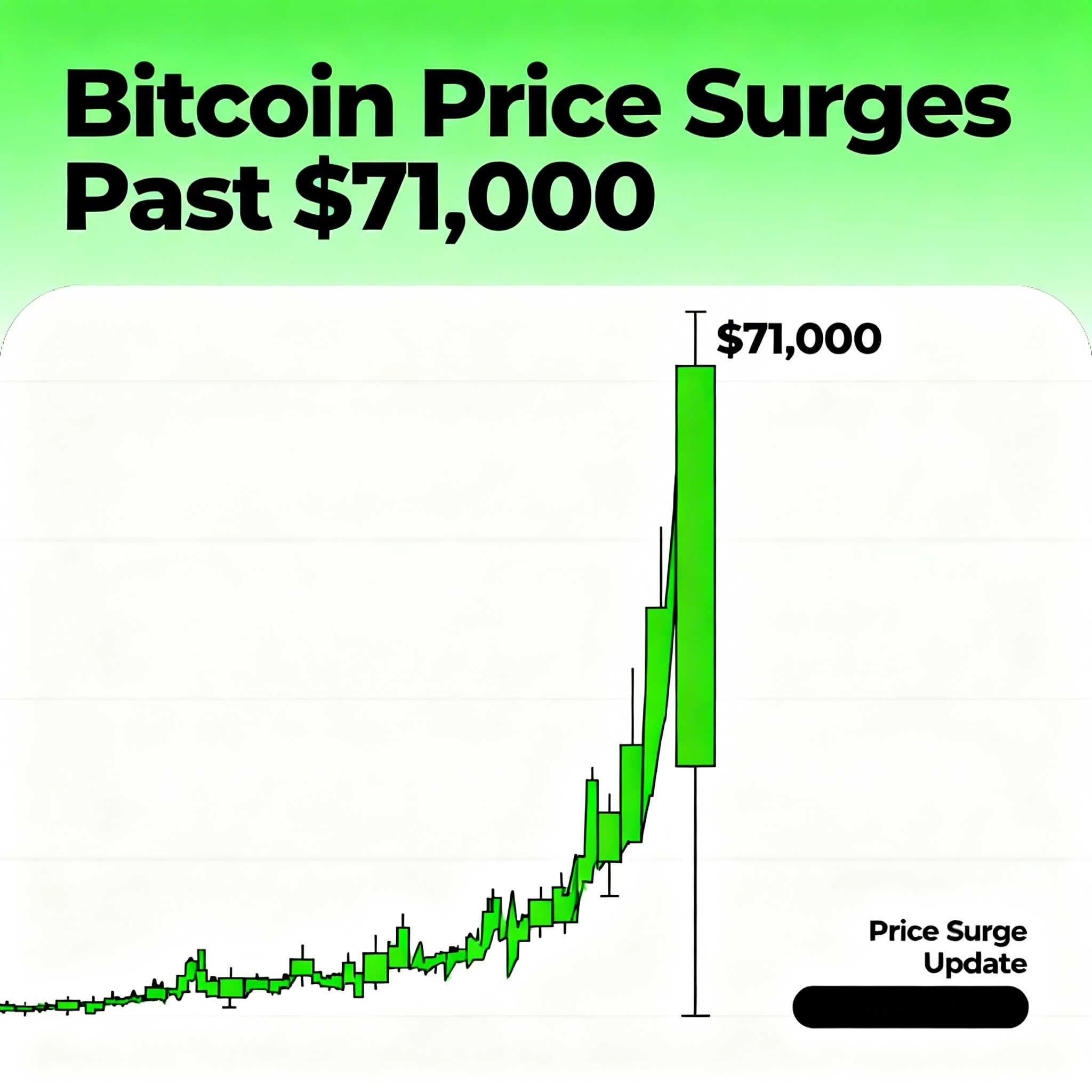
Bitcoin has climbed past the $73,000 level after weeks of sideways trading, though market participants remain split over whether the move represents a genuine breakout or another short-lived rally.
The leading cryptocurrency reclaimed the psychologically important $73,000 mark this week, a level that had acted as resistance for much of the recent consolidation period. Despite the upward momentum, many traders are hesitant to declare the move the start of a sustained bull run.
Some analysts warn the breakout could develop into a bull trap — a scenario in which prices briefly move above resistance, attracting new buyers before reversing lower. Market watchers have highlighted the $72,000–$76,000 range as a potential area where selling pressure could emerge, given the concentration of prior trading activity and derivatives positioning.
The caution reflects memories of earlier price action this year. At the time, bitcoin appeared to be breaking out of a consolidation phase but soon reversed sharply. The decline caught many momentum traders off guard, leading to a wave of liquidations as prices tumbled from around $98,000 to nearly $60,000 in just a couple of weeks.
Yet the current market setup carries a different twist. Across social media and trading communities, a large number of analysts are openly predicting that the rally will fail.
That widespread expectation itself could create the conditions for a move higher. When bearish positioning becomes crowded, any continued price increase may trigger short covering, forcing traders who bet against the rally to buy back their positions and potentially accelerating the upside.
At the same time, broader macroeconomic developments are adding another layer of uncertainty. Heightened geopolitical tensions related to the Iran conflict have pushed gold prices higher and raised concerns about energy markets, while several Asian stock markets have shown early signs of stress.
Radu Tunaru, professor of finance and risk management at Henley Business School, notes that geopolitical shocks have historically played a role in major market disruptions. He points to the 1987 Black Monday crash, which he believes was partly influenced by U.S.–Iran tensions that first unsettled Asian markets before spreading to global equities.
For now, bitcoin’s move above $73,000 has revived bullish sentiment, but the coming sessions will likely determine whether the breakout marks the start of a stronger upward trend or proves to be another temporary surge.