Institutional crypto exchange Bullish rose into the top three centralized cryptocurrency exchanges by spot trading volume in February, surpassing Coinbase as overall activity across the industry slowed, according to CoinDesk Data’s February Exchange Review.
Spot trading on Bullish jumped 62.6% from January to reach $76 billion, marking the exchange’s strongest monthly performance since October 2025. The increase lifted Bullish’s share of global spot trading to 5.06%, up more than two percentage points from the previous month.
The growth pushed Bullish — which debuted on the New York Stock Exchange last year — ahead of Coinbase, whose share of the spot market stood at 4.59% in February.
The shift in rankings came during a broader slowdown in trading activity across centralized exchanges. Combined spot and derivatives volumes declined 2.41% in February to $5.61 trillion, the lowest level since October 2024, the report said.
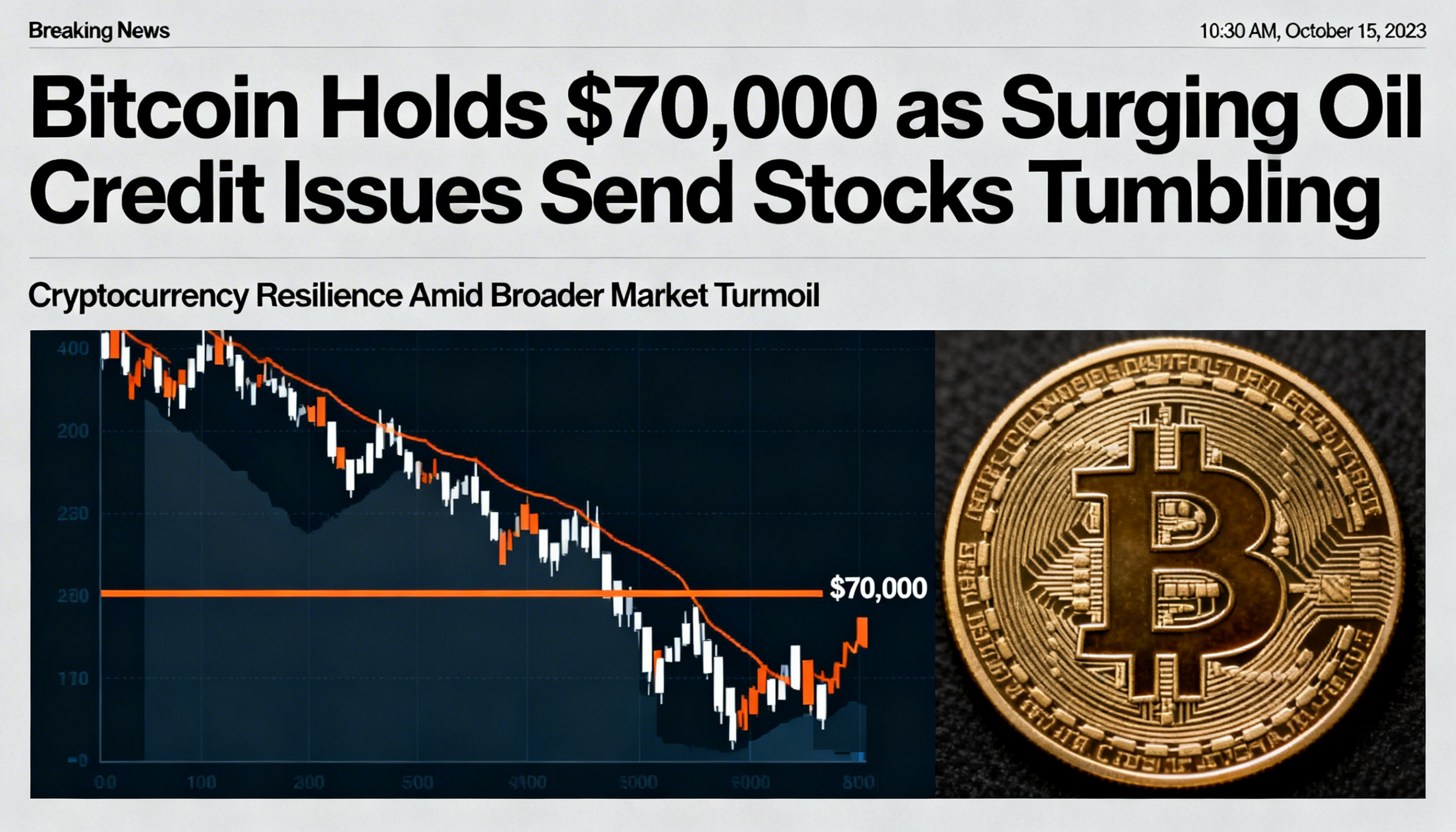
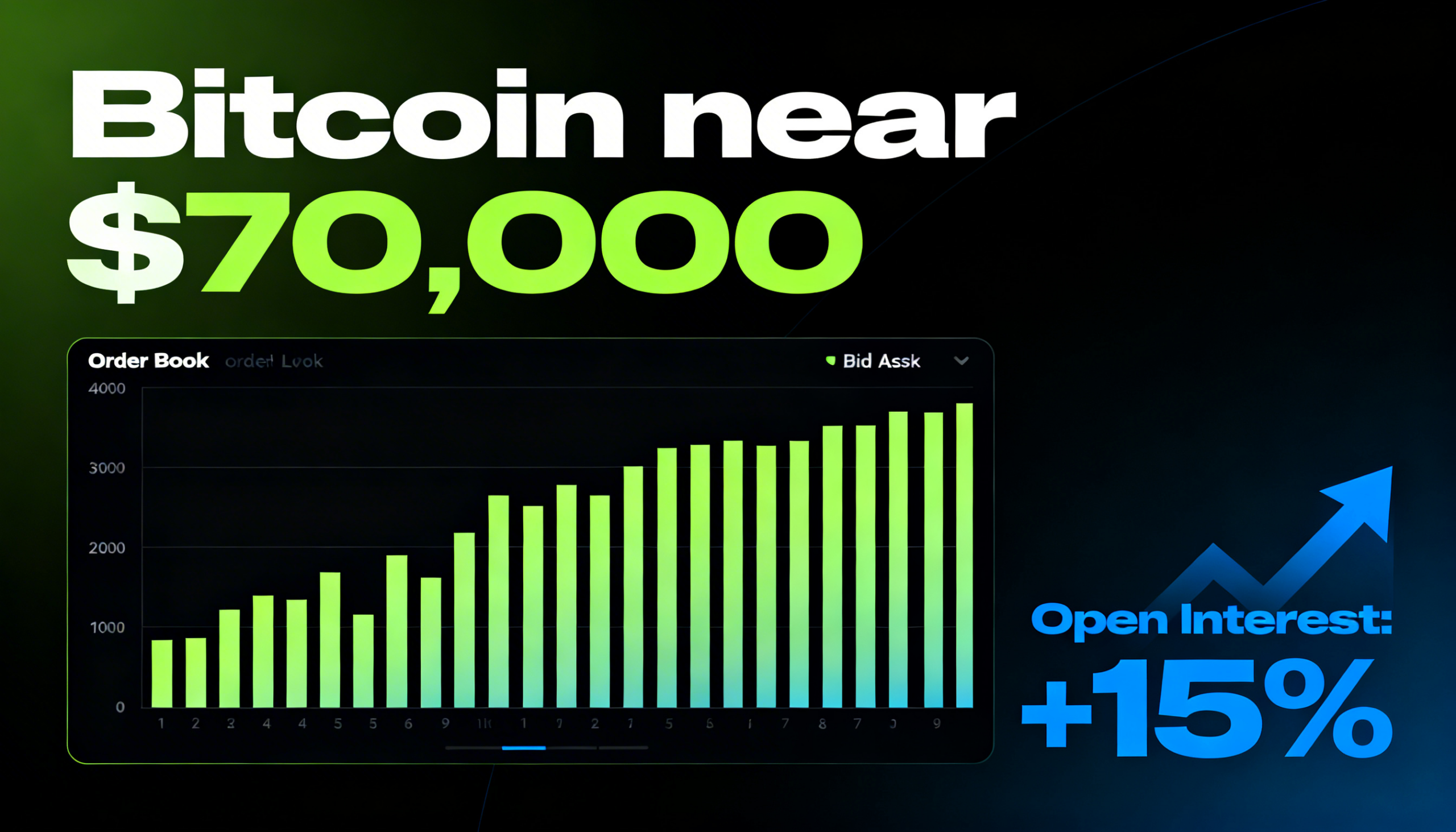
The softer activity partly reflected relatively muted volatility in major cryptocurrencies. While markets experienced brief bouts of turbulence early and late in the month, Bitcoin spent much of February trading within a narrow range between $60,000 and $70,000, limiting the speculative activity that often fuels higher trading volumes.
Spot trading made up roughly $1.50 trillion of the total exchange volume, down 3.01% compared with January. Derivatives trading also slipped 2.41% to $4.11 trillion, though it remained the dominant segment, accounting for about 73% of total trading on centralized exchanges.
Meanwhile, Binance continued to lead the market by a wide margin. The platform recorded about $331 billion in spot trading volume during February, representing roughly 22% of global market share. However, its dominance slipped to the lowest monthly level since October 2020, suggesting trading activity is gradually becoming more spread across rival platforms.
Bullish’s rise underscores the changing competitive landscape among centralized exchanges. As trading volumes soften, platforms are increasingly competing through deeper liquidity, trading incentives and new products to attract users. Some exchanges have also begun collaborating with major U.S. stock exchanges to introduce tokenized securities or expanding into prediction markets to broaden their offerings.