Bitcoin Acts Like an “ATM” While Gold Holds Its Value
Bitcoin, often called “digital gold” for its censorship-resistant, sound-money qualities, is behaving more like an “ATM” during periods of market stress, with investors selling quickly to raise cash.
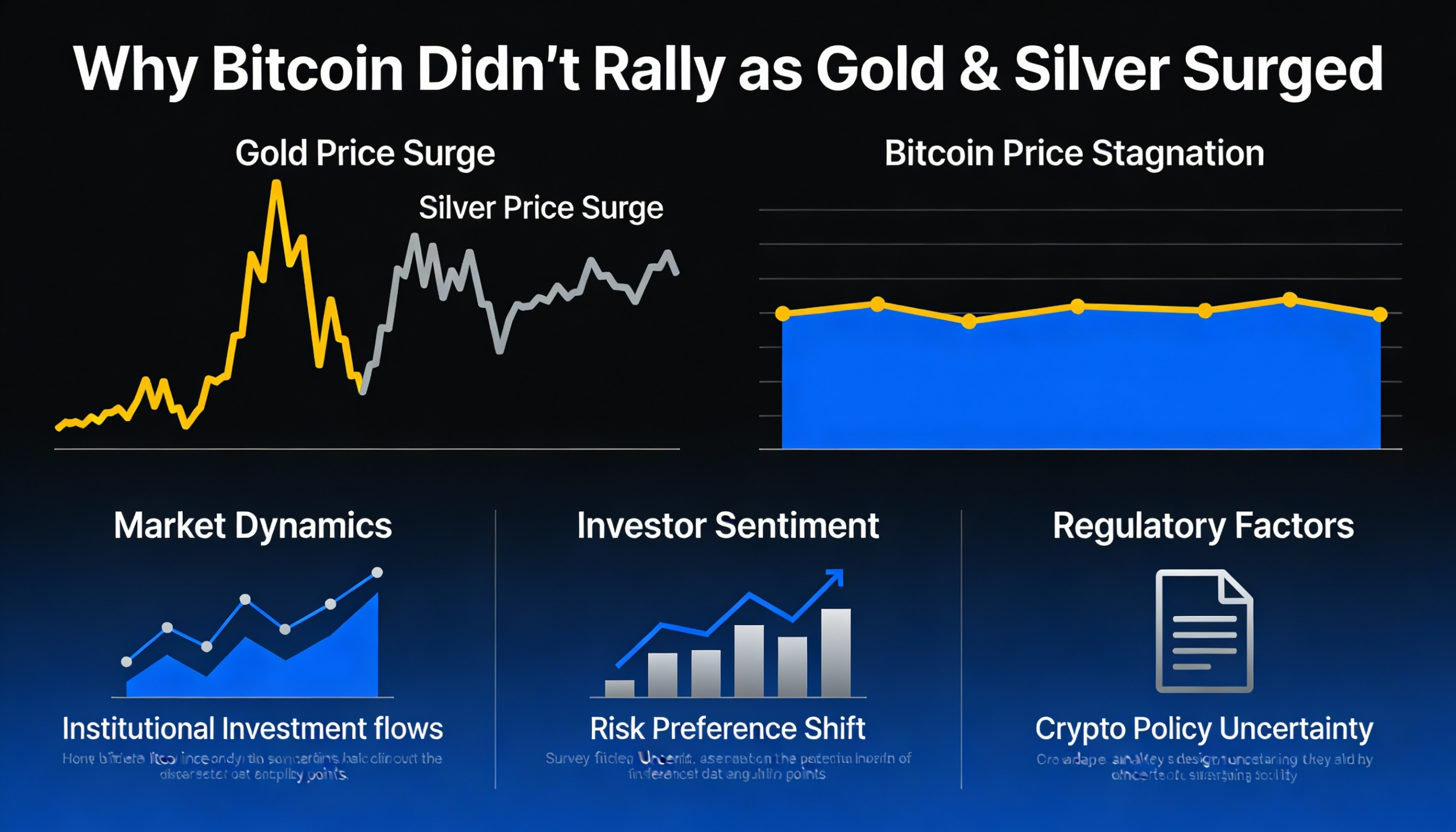
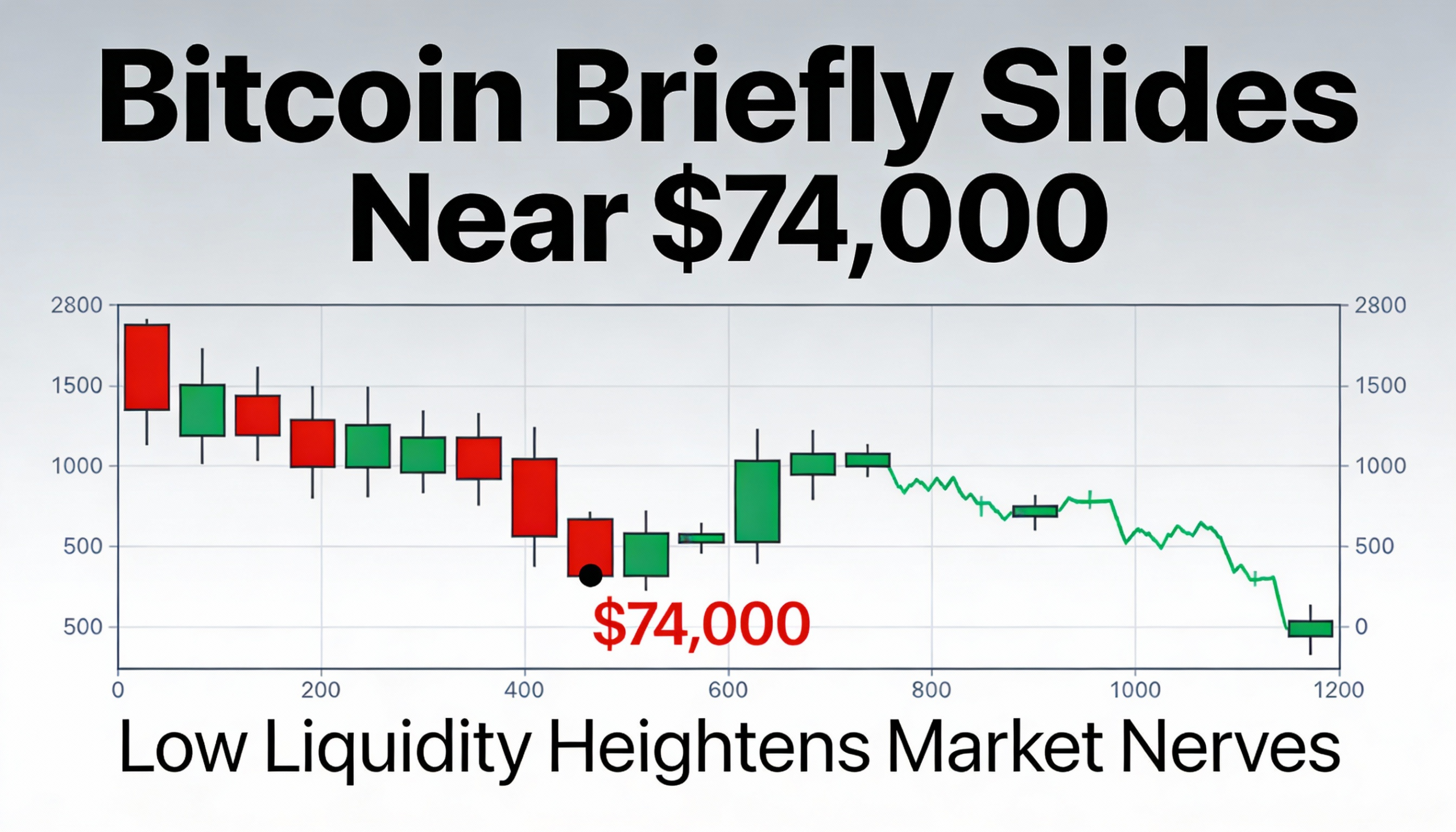
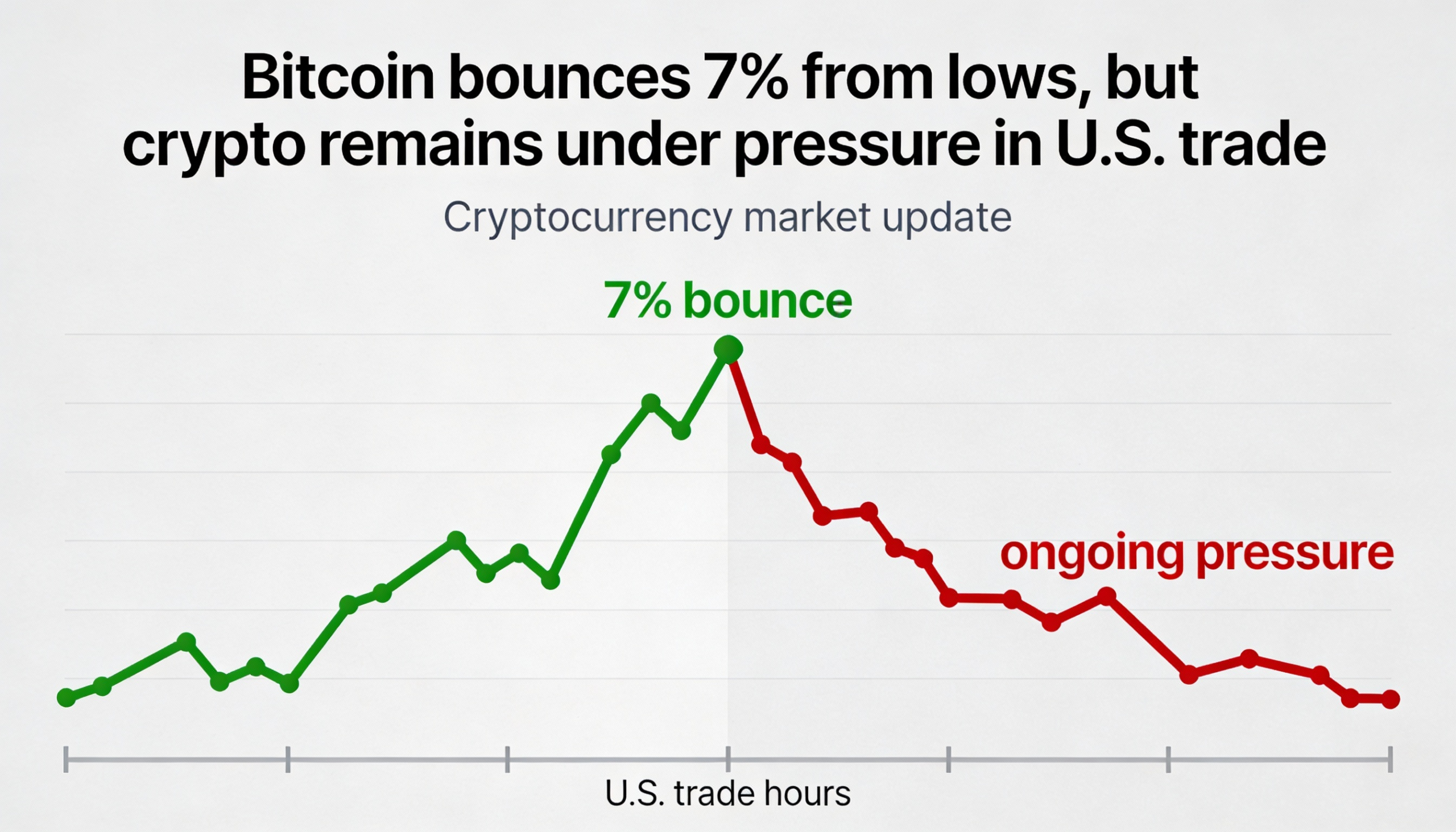
Recent geopolitical tensions—including Trump’s tariff threats against NATO allies over Greenland and speculation of potential military action in the Arctic—have spurred market volatility. Since January 18, Bitcoin has dropped 6.6%, while gold has climbed 8.6% to nearly $5,000 per ounce.
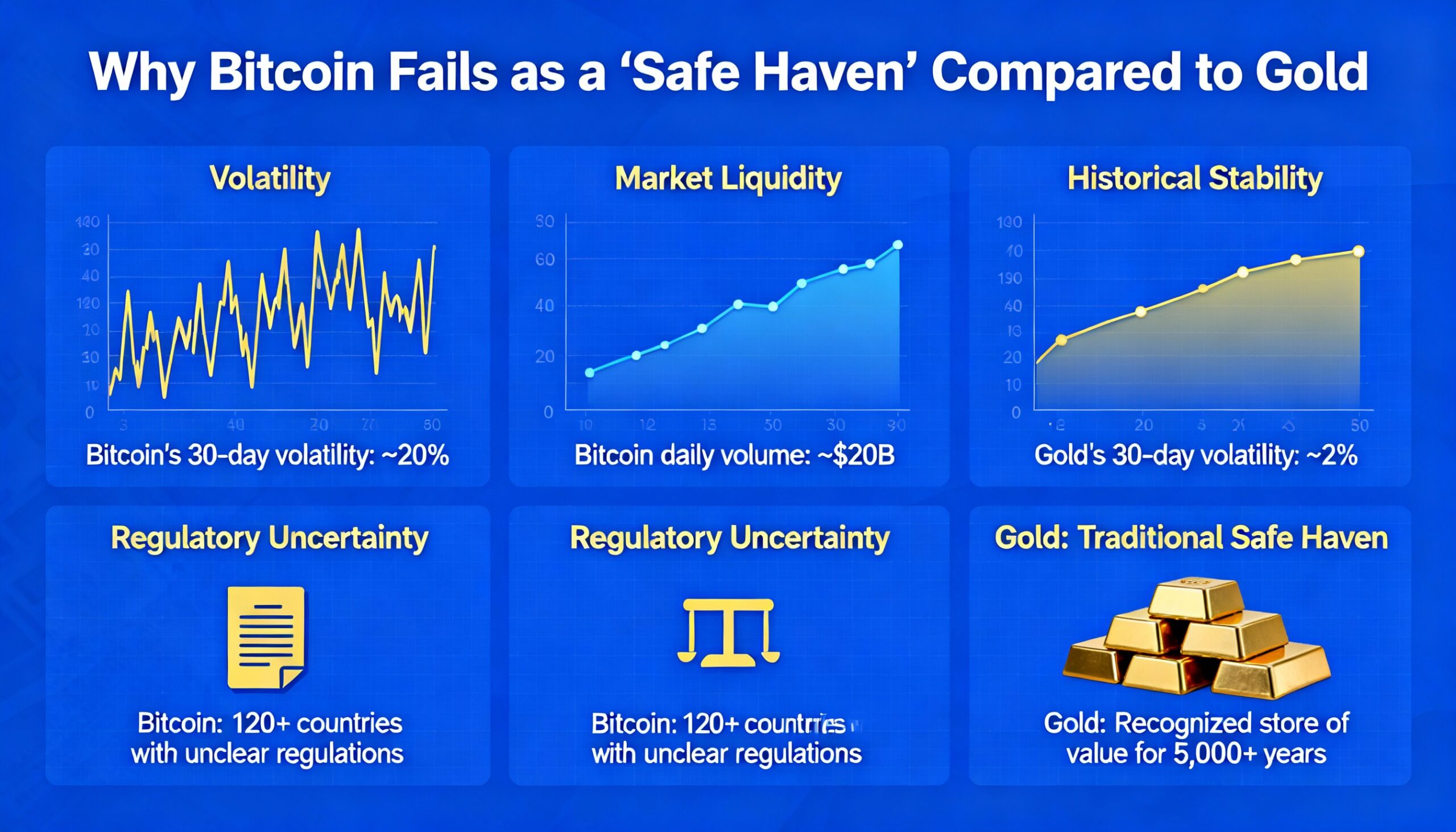
The difference comes down to liquidity and investor behavior. Bitcoin’s 24/7 trading, deep liquidity, and instant settlement make it easy to offload, whereas gold, though less accessible, is typically held. “Liquidity preference dominates in times of uncertainty, and this hurts Bitcoin more than gold,” said Greg Cipolaro, NYDIG’s Global Head of Research. “Bitcoin is often sold reflexively as leverage is unwound, while gold acts as a true liquidity sink.”
Large holders reinforce the trend. Central banks continue to accumulate gold, while long-term Bitcoin holders move coins to exchanges, creating a steady supply that pressures prices.
Gold remains the preferred hedge against immediate shocks, while Bitcoin is better suited to long-term risks like fiat debasement or slow erosion of trust. “As long as current threats are temporary, gold remains the go-to hedge,” Cipolaro said.
In practice, Bitcoin provides liquidity in crises, but gold continues to dominate as a safe-haven asset.