A sharp rally in oil prices and escalating geopolitical tensions are reviving inflation concerns, even as traditional safe-haven assets begin to lose momentum.
Only weeks ago, market expectations were centered on how many rate cuts the Federal Reserve might deliver in 2026. That outlook is now shifting. With the U.S. economy showing limited signs of slowing, inflation still above the Fed’s 2% target, and oil prices surging 50% in just three weeks, traders are increasingly pricing in the possibility of a rate hike as early as April.
Data from CME FedWatch underscores this change, with the probability of a rate increase at the upcoming meeting rising to 12% from 0% just a week ago. This marks a significant reversal from sentiment two months ago, when markets were leaning toward a rate cut during the same timeframe.
February inflation data adds further context. Headline inflation stood at 2.4% year-over-year, while core inflation came in at 2.5%—both recorded before the escalation of the Iran conflict and the subsequent spike in oil prices.
Bond markets have reacted with a broad sell-off. The U.S. 10-year Treasury yield climbed another 10 basis points on Friday to 4.38%, compared to below 4% at the start of March. The move is being echoed globally. In the U.K., 10-year gilt yields have surged above 5%, rising 15% over the past month to their highest level since 2008.
Equities have so far avoided sharp declines, but downside pressure is building. The S&P 500 fell 0.9% on Friday, putting it on track for a fourth straight weekly loss and leaving it down more than 5% since late February. The Nasdaq has mirrored the weakness, declining 1.2% on the day.
Meanwhile, precious metals—which rallied strongly ahead of the geopolitical escalation—are now retreating. Gold has dropped from around $5,500 per ounce at the start of the month to $4,569, while silver has fallen from $95 to $69.50 per ounce.
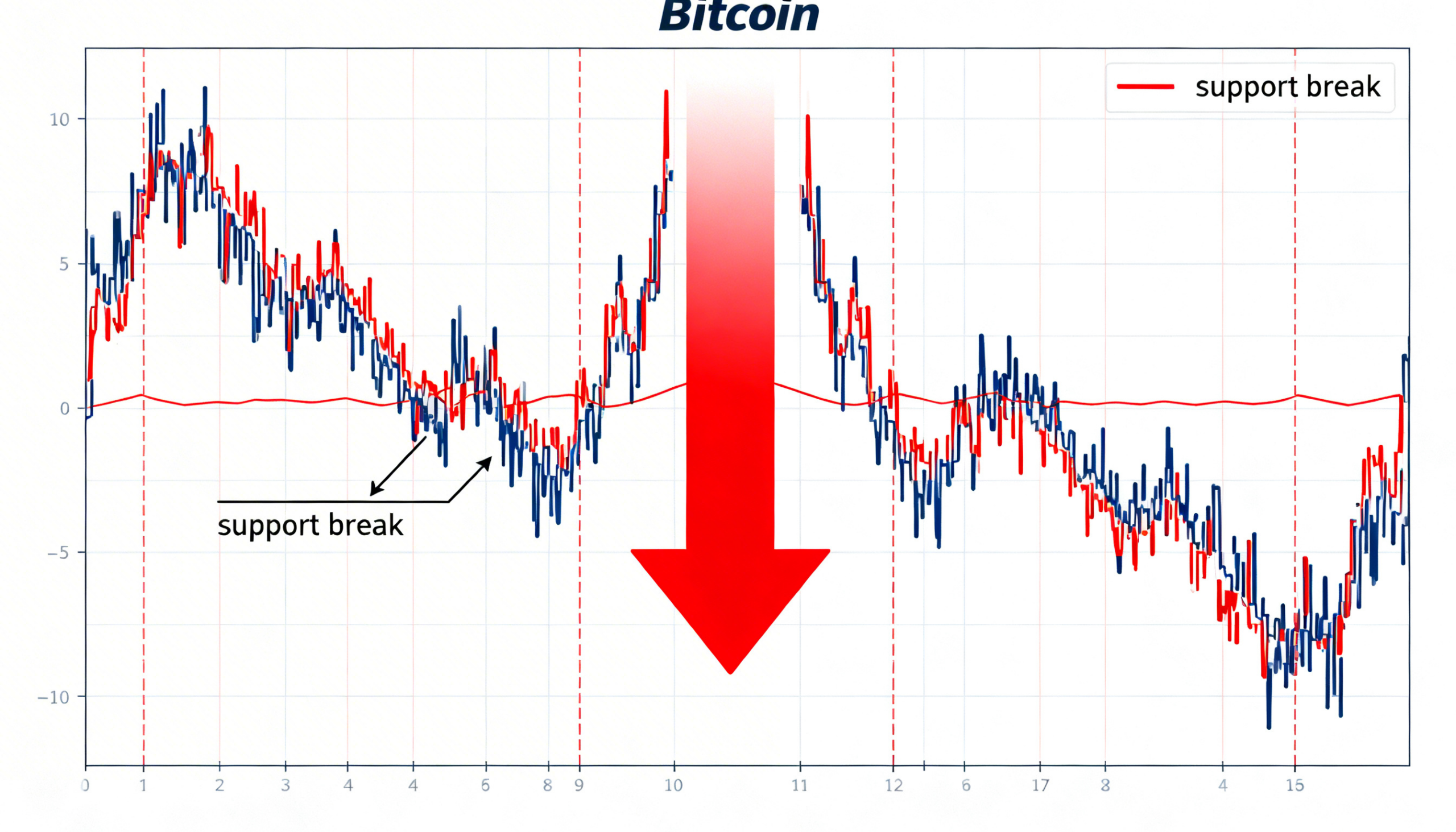
Against this backdrop, Bitcoin is standing out for its relative resilience. Andre Dragosch, European Head of Research at Bitwise, said the asset is once again acting as a “canary in the macro coal mine,” suggesting it may already be pricing in recession risks that traditional markets have yet to fully reflect.
Holding near $70,000, Bitcoin has posted modest gains since early March and remains among the strongest-performing assets since geopolitical tensions intensified.