Digital assets advanced broadly Wednesday as a softer U.S. dollar and a rally in Asian equities lifted risk appetite, though analysts remain split on whether the Feb. 5 lows will ultimately hold.
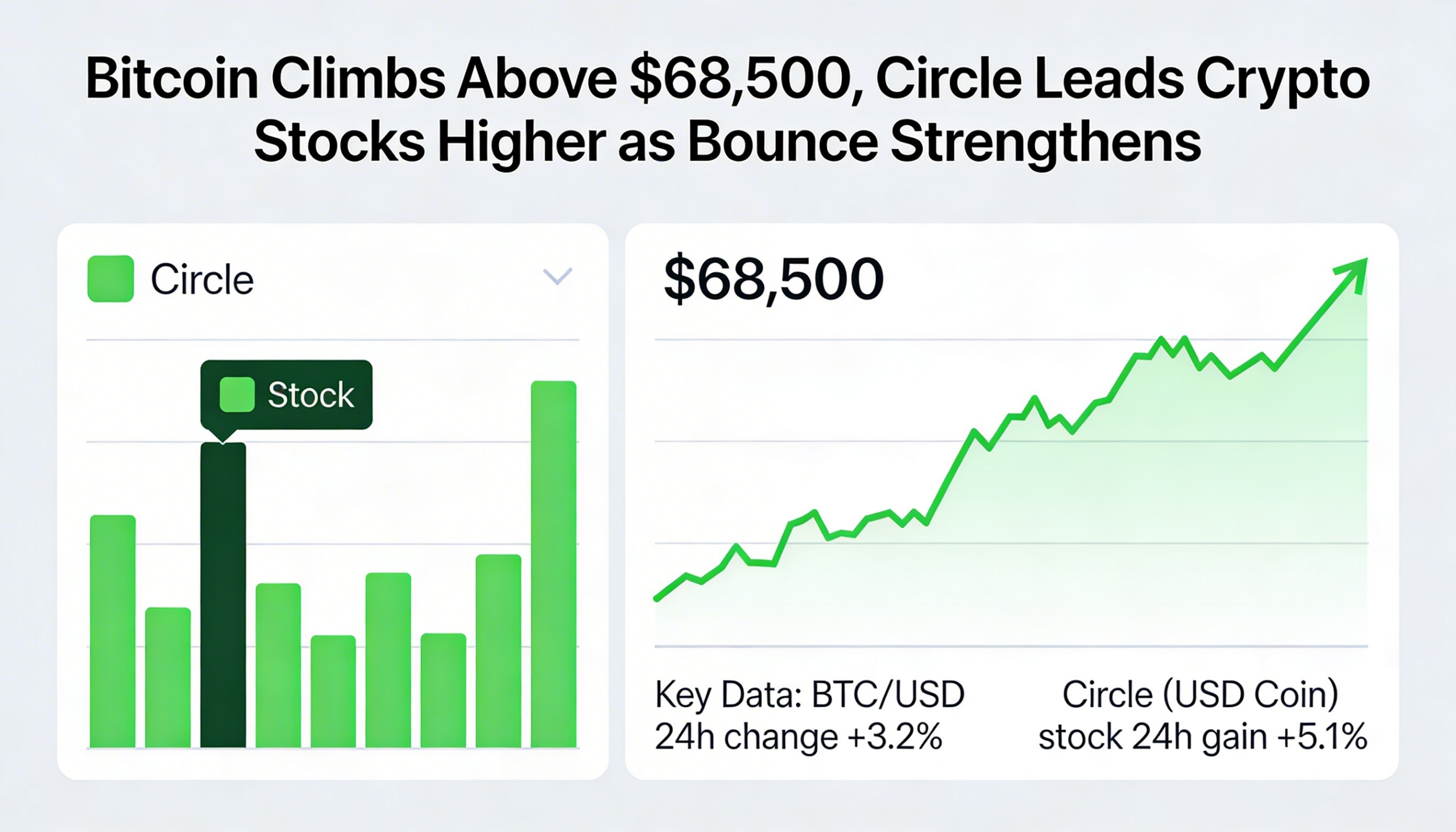
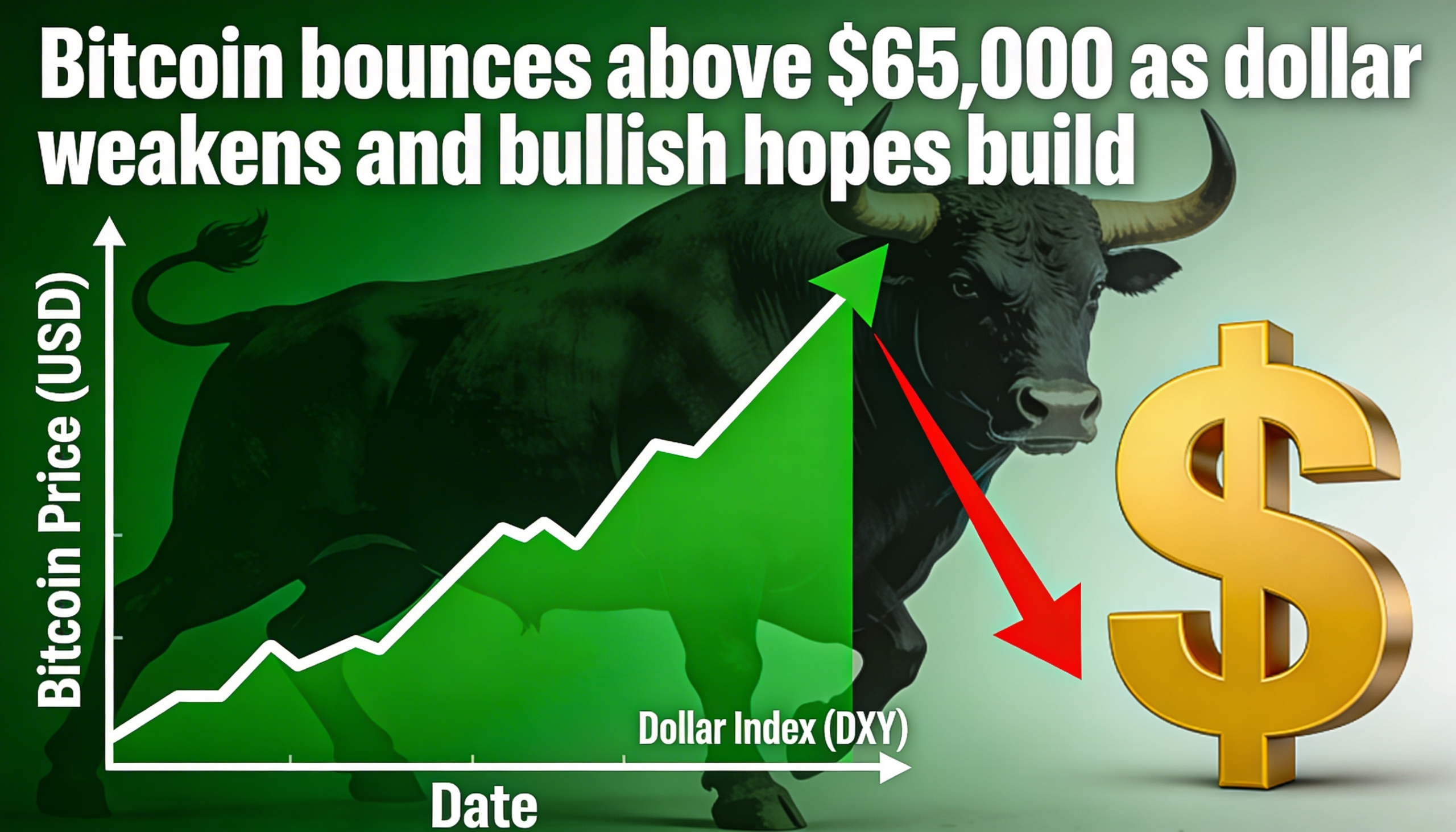
Bitcoin (BTC) regained $65,400 in early trading, marking its clearest bounce in weeks as currency weakness and improving global sentiment supported the market.
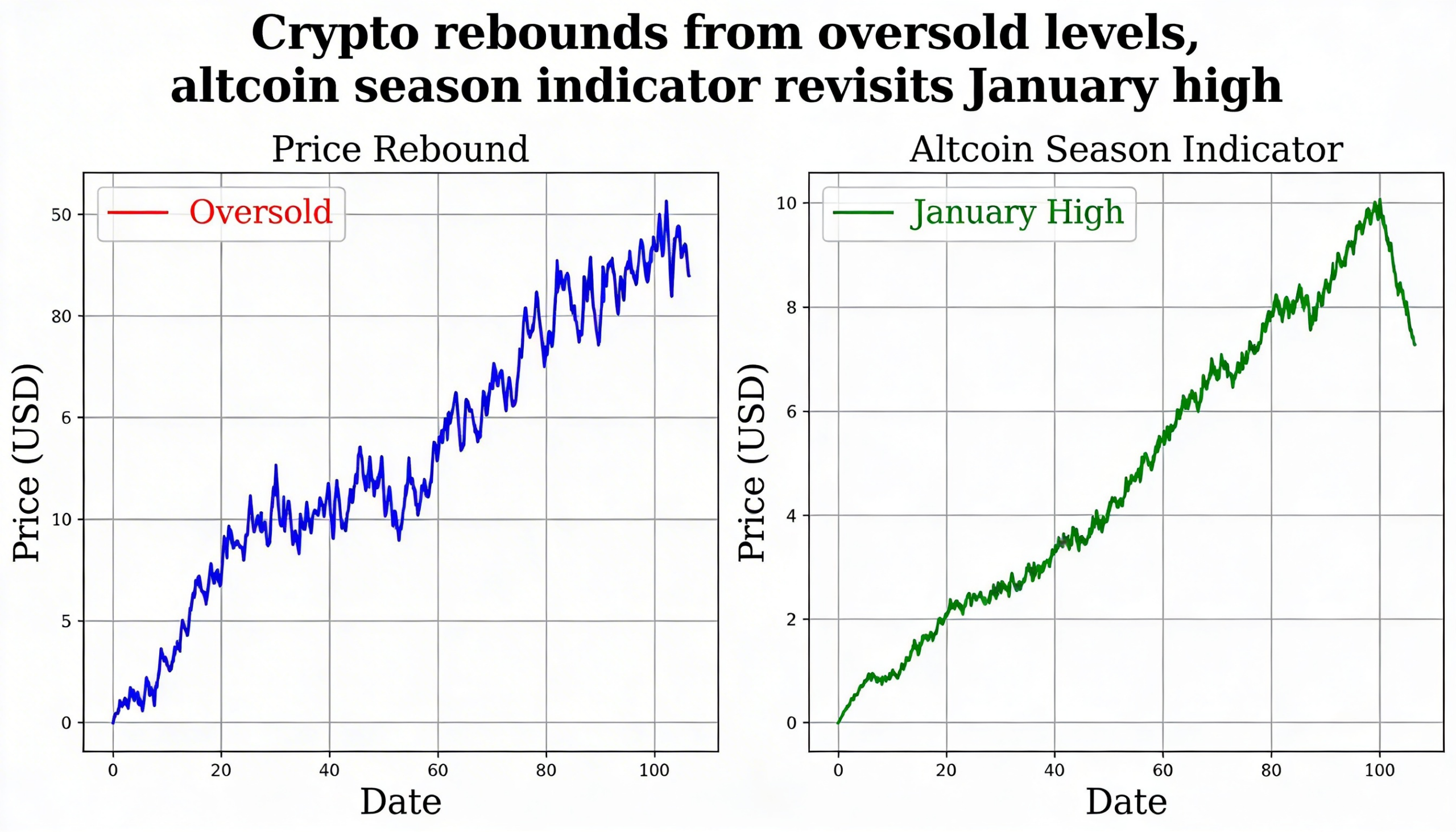
Earlier this week, total crypto market capitalization slid to roughly $2.19 trillion, nearly revisiting levels seen during the Feb. 5 sell-off. That near retest has increased the technical significance of the current rebound.
If those lows remain intact, the market may be carving out a textbook double bottom, implying roughly 10% upside, according to Alex Kuptsikevich, chief market analyst at FxPro. However, he cautioned that failure to sustain the rally would likely invalidate the recovery narrative and open the door to a potential 25% additional decline.
A double bottom is a well-known bullish reversal pattern that forms after a downtrend. It features two similar lows separated by a temporary rebound, creating a “W”-shaped structure. A decisive break above the interim high typically confirms the reversal signal.
Attention now turns to whether the recovery can surpass the brief rebound to about $2.47 trillion in total market value recorded roughly 10 days ago.
Altcoins track the move higher
Major tokens followed bitcoin’s lead. Ether rose 4.2% over the past day, solana gained 7%, and XRP added 3%.
The advance coincided with a 1.4% jump in MSCI’s Asia equity index to a record high, driven by gains in South Korea and Taiwan. AI-related chipmakers in those markets reached fresh peaks ahead of earnings from Nvidia later Wednesday.
The U.S. dollar also provided support. The Bloomberg Dollar Spot Index edged lower following President Donald Trump’s State of the Union address, where he reiterated his tariff agenda despite a Supreme Court decision striking down his global import tax plan. He additionally suggested tariffs could eventually replace the federal income tax system.
Historically, a weaker dollar has supported bitcoin, though that inverse relationship has been less consistent during the current drawdown.
Even so, confidence remains fragile. Bloomberg reported that analysts it surveyed described a “crisis of confidence” in bitcoin after its nearly 50% retreat from all-time highs, noting a lack of clear new catalysts.
Kuptsikevich maintained a cautious stance, arguing the market likely has not yet seen full capitulation and warning that “real capitulation is still ahead.”