Bitcoin has been outperforming several traditional assets since geopolitical tensions escalated in the Middle East, helping stabilize market sentiment after a turbulent start to the year for the cryptocurrency.
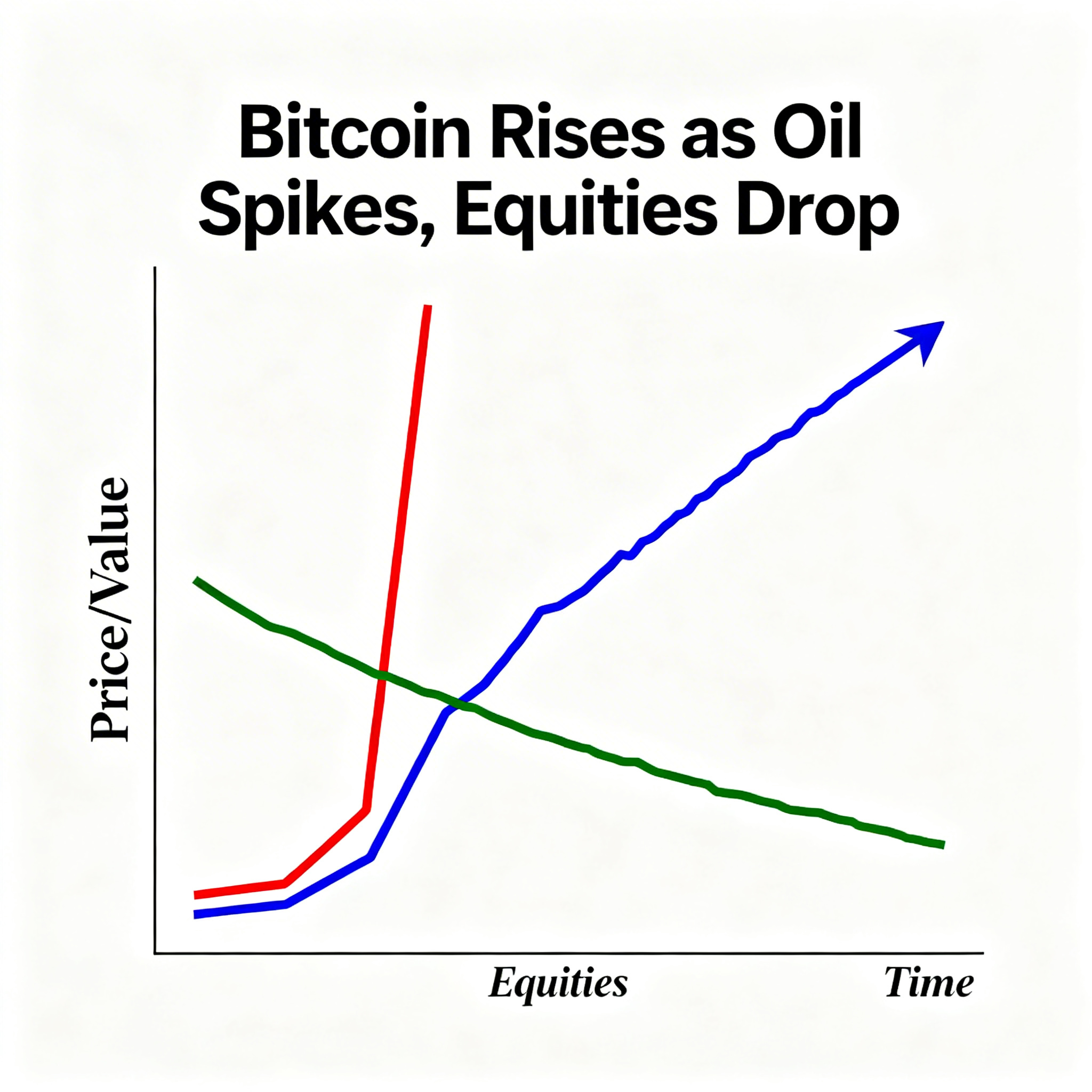
The conflict involving Iran, Israel, and the United States has shaken global financial markets. Yet bitcoin has moved in the opposite direction of many major assets. Since the fighting began just over a week ago, the cryptocurrency has climbed roughly 3.5% to around $68,000.
Other assets have not fared as well. Gold has declined about 5%, while silver has dropped nearly 12%. U.S. equities have also slipped, with the Nasdaq-100 falling around 1% and the S&P 500 down roughly 1.5% during the same period.
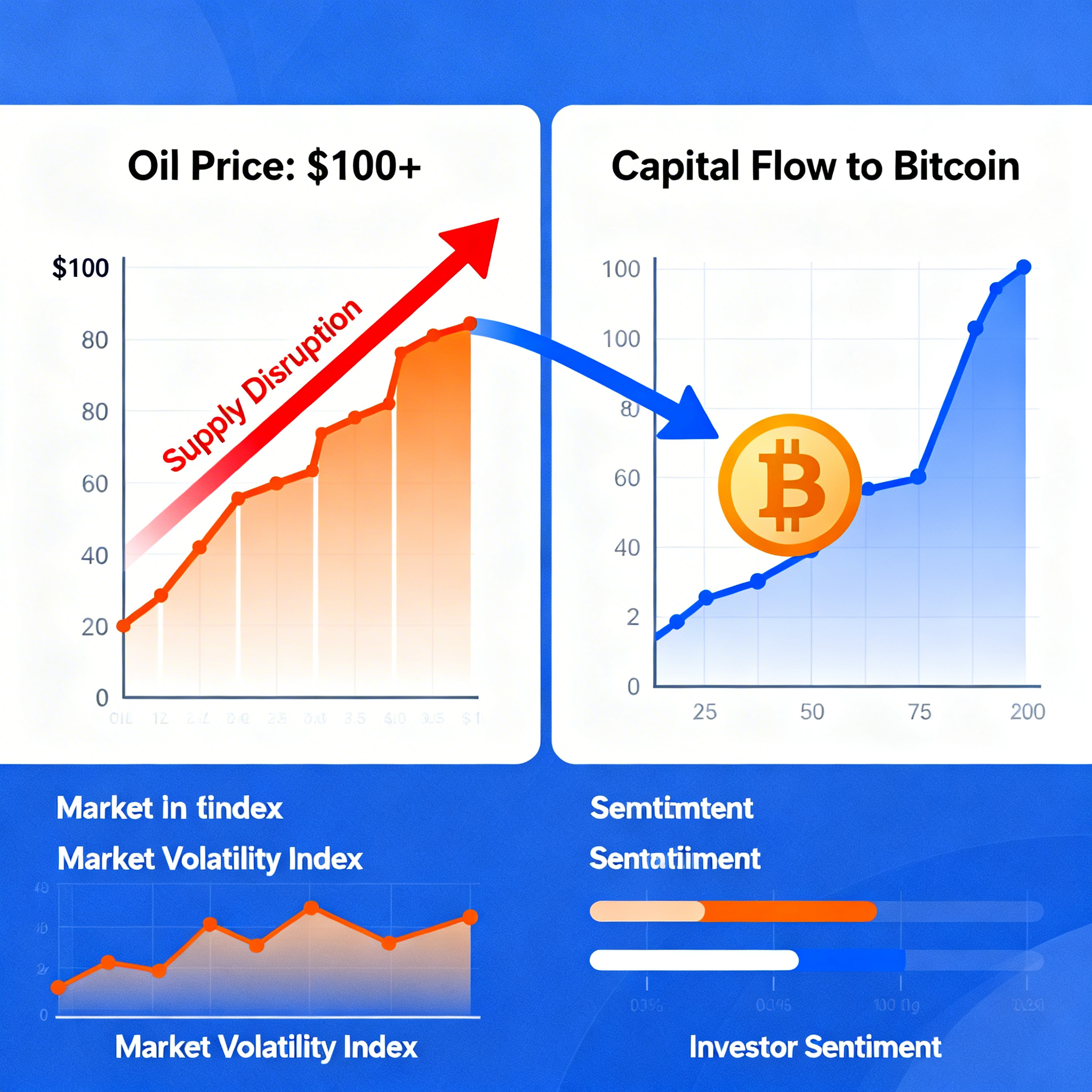
The divergence has widened in the past 24 hours. Bitcoin gained more than 2.5% even as U.S. equity futures remained under pressure. Energy markets, meanwhile, experienced extreme volatility. West Texas Intermediate crude briefly surged to about $116 per barrel early Monday, at one stage up nearly 60% since the conflict began. However, comments from leaders of the Group of Seven about potentially releasing strategic oil reserves helped temper the rally, pulling crude back toward $100 per barrel.
At the same time, investors have continued moving into the U.S. dollar. The U.S. Dollar Index rose more than 1% to slightly above 99. Government bond yields also moved higher, with the benchmark U.S. 10-Year Treasury yield climbing from just under 4% before the conflict to roughly 4.2%.
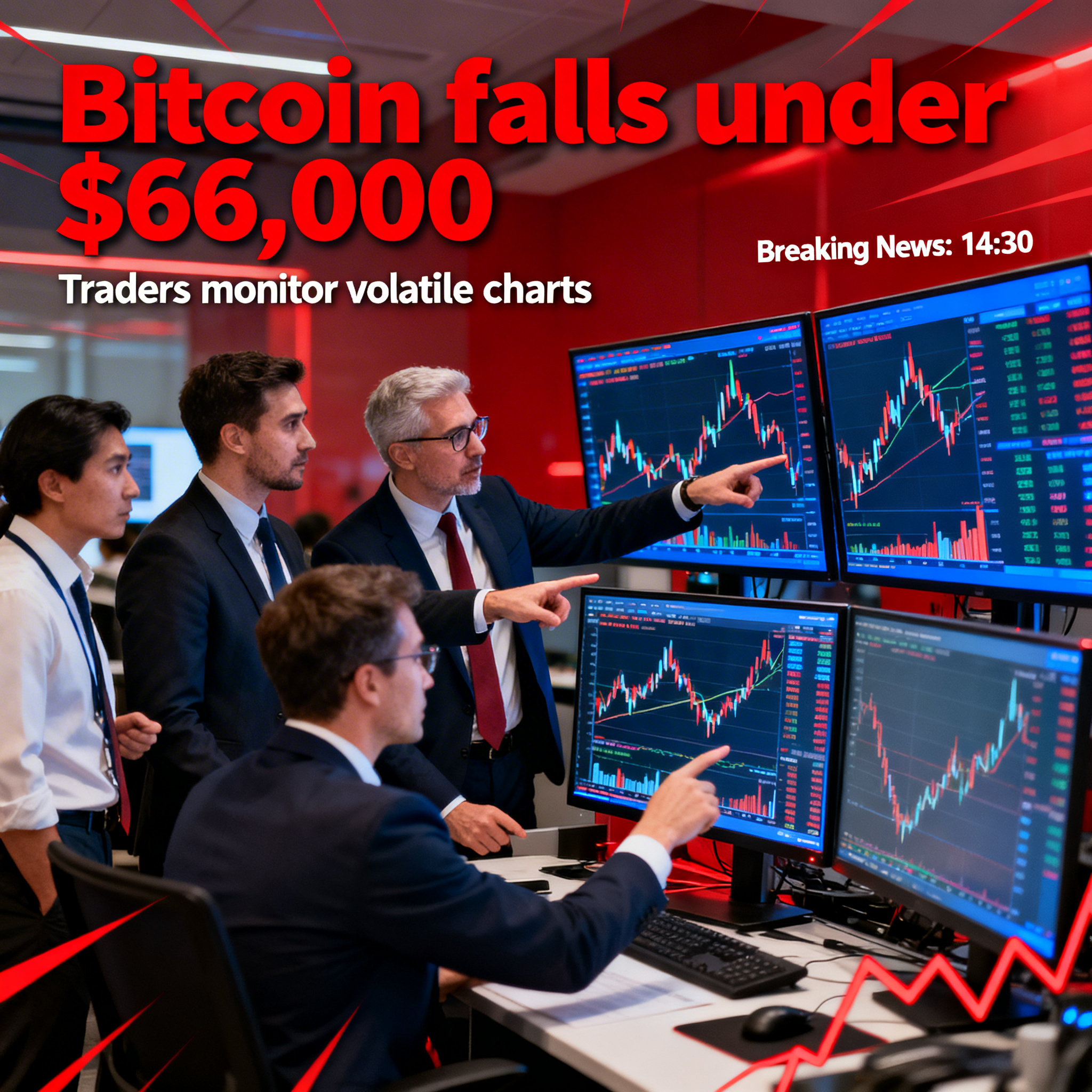
Bitcoin’s relative strength follows a sharp correction earlier in the year. Prices had nearly halved to around $60,000 after reaching a record high above $126,000 in October. Given the already fragile sentiment when the conflict erupted, many market participants expected further declines. Instead, the rebound has caught many traders off guard.
Despite outperforming several asset classes, bitcoin still shows some connection to technology stocks. The iShares Expanded Tech Software ETF—a widely tracked benchmark for software companies—has gained about 7% since the conflict began, rebounding from roughly $76 to close near $88 last Friday.
Signals from derivatives markets suggest conditions may be stabilizing. Open interest in coin-margined futures, which tracks contracts settled in bitcoin rather than dollars, has declined, indicating that leverage is gradually being flushed from the system. Meanwhile, funding rates on perpetual futures remain negative at around –3.5%, meaning traders with short positions are paying those holding long positions—evidence that bearish positioning remains crowded.
Another notable development is the return of the Coinbase premium. This metric measures the price difference between bitcoin on Coinbase and offshore exchanges and is commonly used as a gauge of U.S. institutional demand. Its reappearance, along with renewed inflows into spot bitcoin ETFs, suggests institutional investors may be stepping back into the market and accumulating bitcoin at what they see as oversold levels.