Asian equities rallied strongly, delivering their best performance in months, while U.S. stock futures climbed as optimism grew that the Iran conflict could be nearing a resolution. Sentiment improved after Donald Trump signaled the war might end within two to three weeks—even without a formal agreement—and confirmed plans to address the nation with further updates.
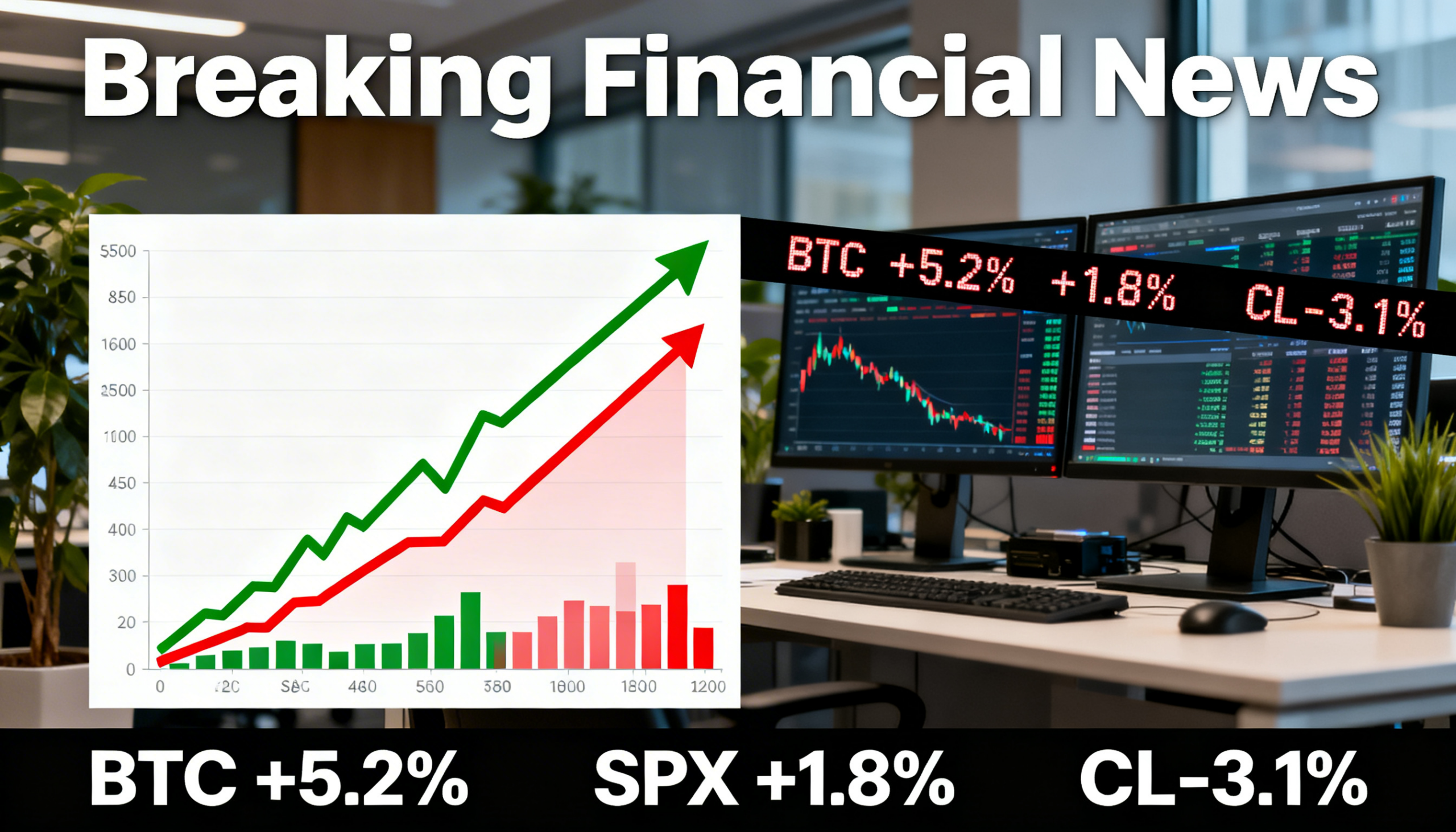
The MSCI Asia Pacific Index surged 4%, its strongest session since the conflict began, led by a sharp rebound in technology stocks. The positive momentum extended to the U.S., where S&P 500 futures advanced, putting the index on course for its largest daily gain since May. In the commodities space, oil prices recovered from earlier losses as reports suggested the UAE could move to help reopen the Strait of Hormuz, raising the possibility of deeper involvement in the conflict.
Crypto markets, however, remained relatively steady. Bitcoin hovered around $67,950, posting a modest 0.2% gain over 24 hours and continuing to trade within a narrow range. Ether rose 1.6% to $2,100, outperforming slightly, while XRP, dogecoin, and BNB recorded minor gains. Solana lagged the broader market, slipping 0.7% and extending its weekly downturn.
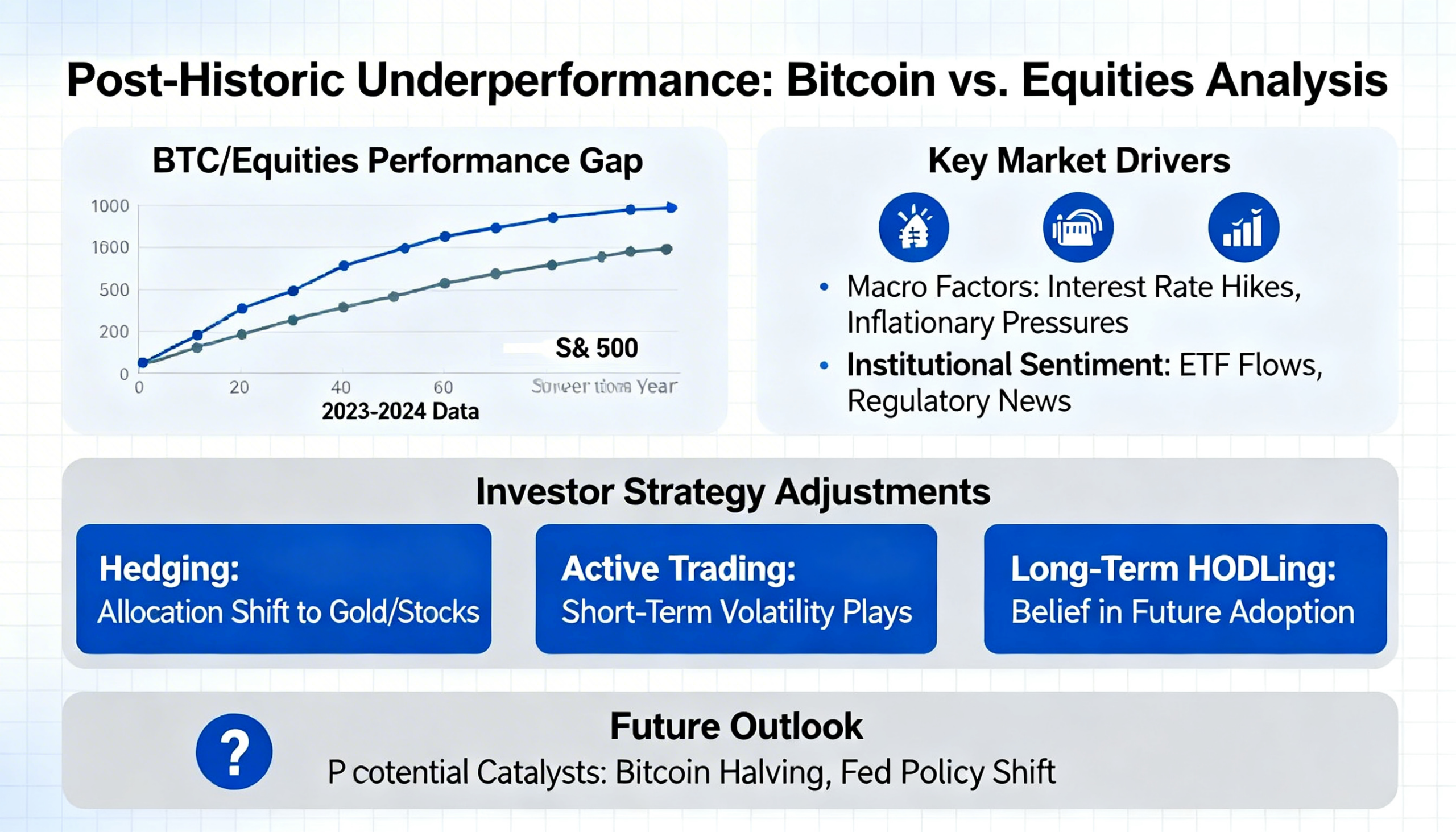
The gap between crypto and equities continues to stand out. While stock markets have reacted sharply to geopolitical developments, bitcoin has remained largely rangebound between $65,000 and $73,000, reflecting cautious positioning among investors.
Geopolitical headlines remain the primary driver. Trump’s indication of a potential timeline for ending the war, along with his upcoming address, has fueled hopes for de-escalation. Meanwhile, Iran’s leadership has expressed readiness to end hostilities, though it continues to seek guarantees against future conflict.
At the same time, developments within the crypto sector are adding a longer-term tailwind. Morgan Stanley’s newly approved bitcoin ETF, carrying a fee of 14 basis points—well below the industry average—opens access to a vast $6.2 trillion advisory network, significantly expanding institutional distribution channels.
Analysts point to a combination of factors that could support bitcoin in the near term, including increased institutional access, ongoing inflows into crypto investment products, and the potential easing of geopolitical tensions.
Gold has presented a mixed picture. Although it has climbed for four consecutive sessions toward $4,700, it recently recorded its sharpest monthly decline since 2008, an unusual trend during a period of active conflict.
Markets are now focused on Trump’s upcoming address, which is expected to provide clearer direction. The durability of the current rally may depend on whether it delivers concrete progress toward ending the conflict or simply adds to a series of headline-driven moves.