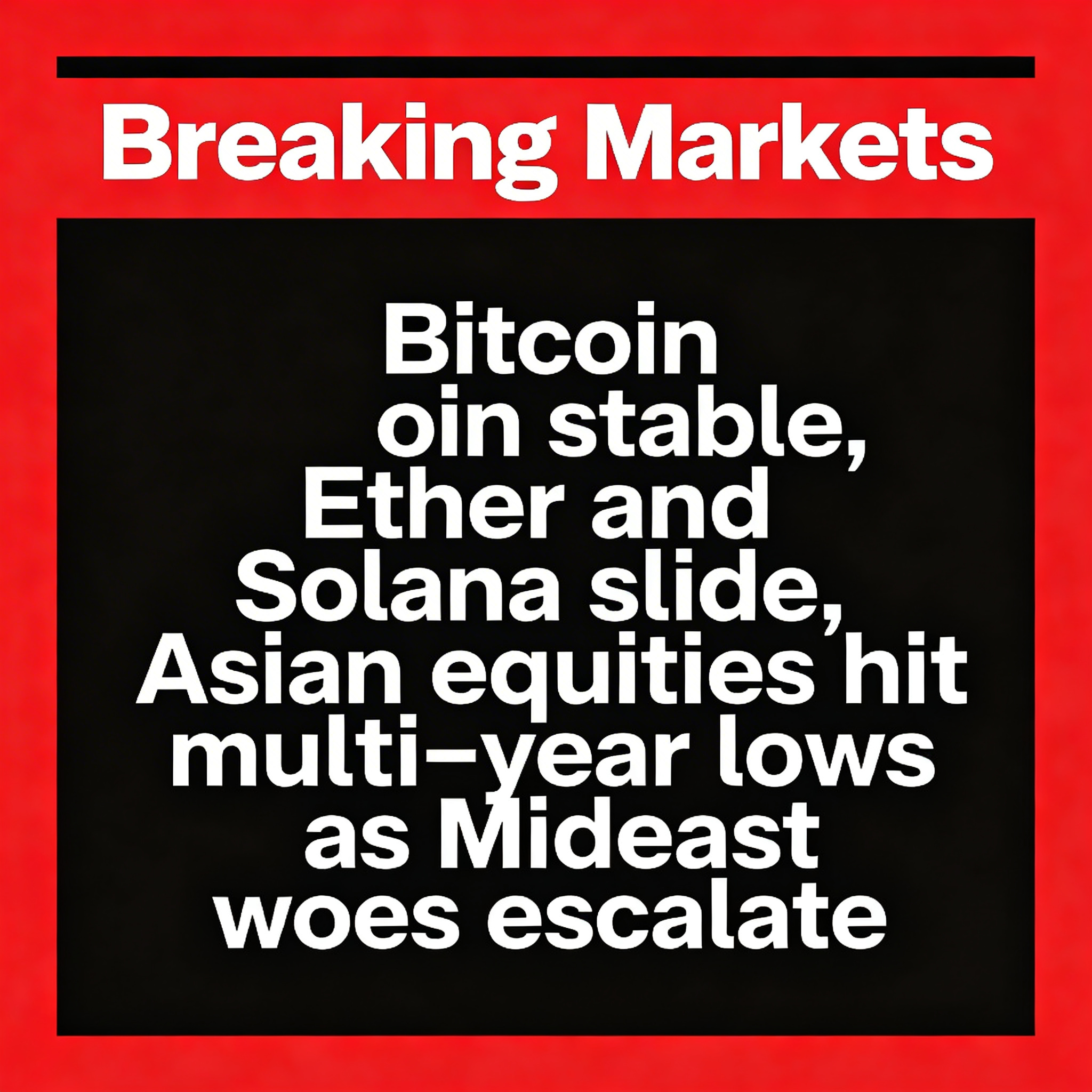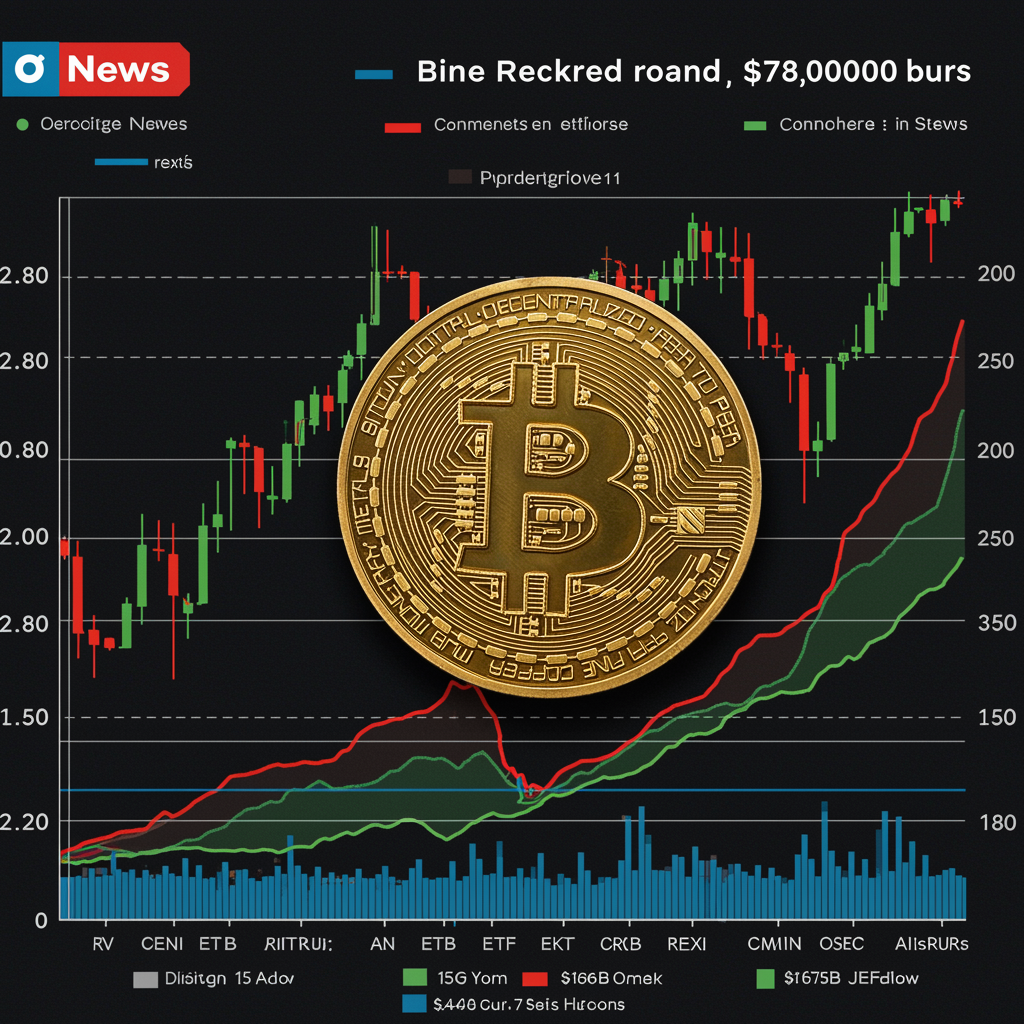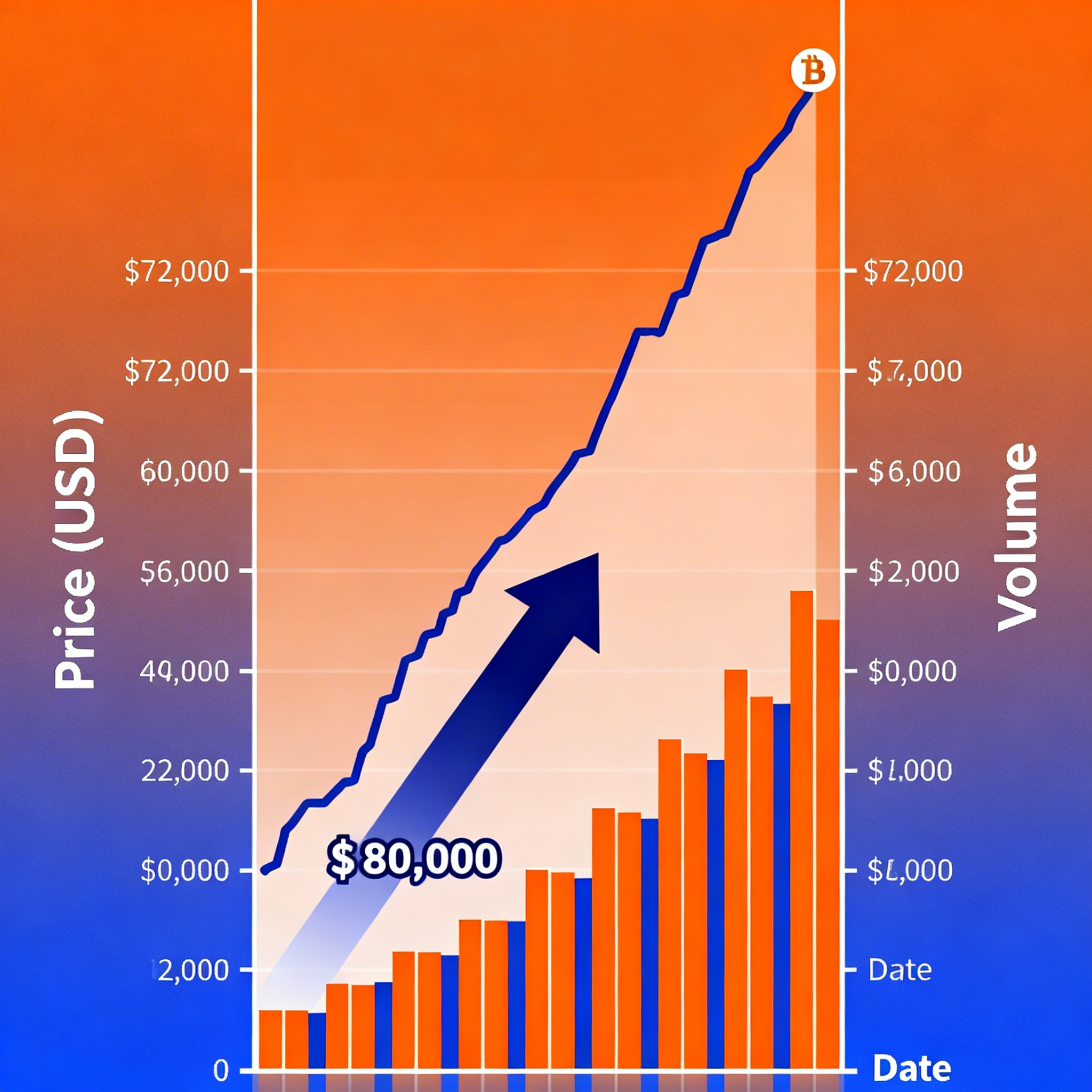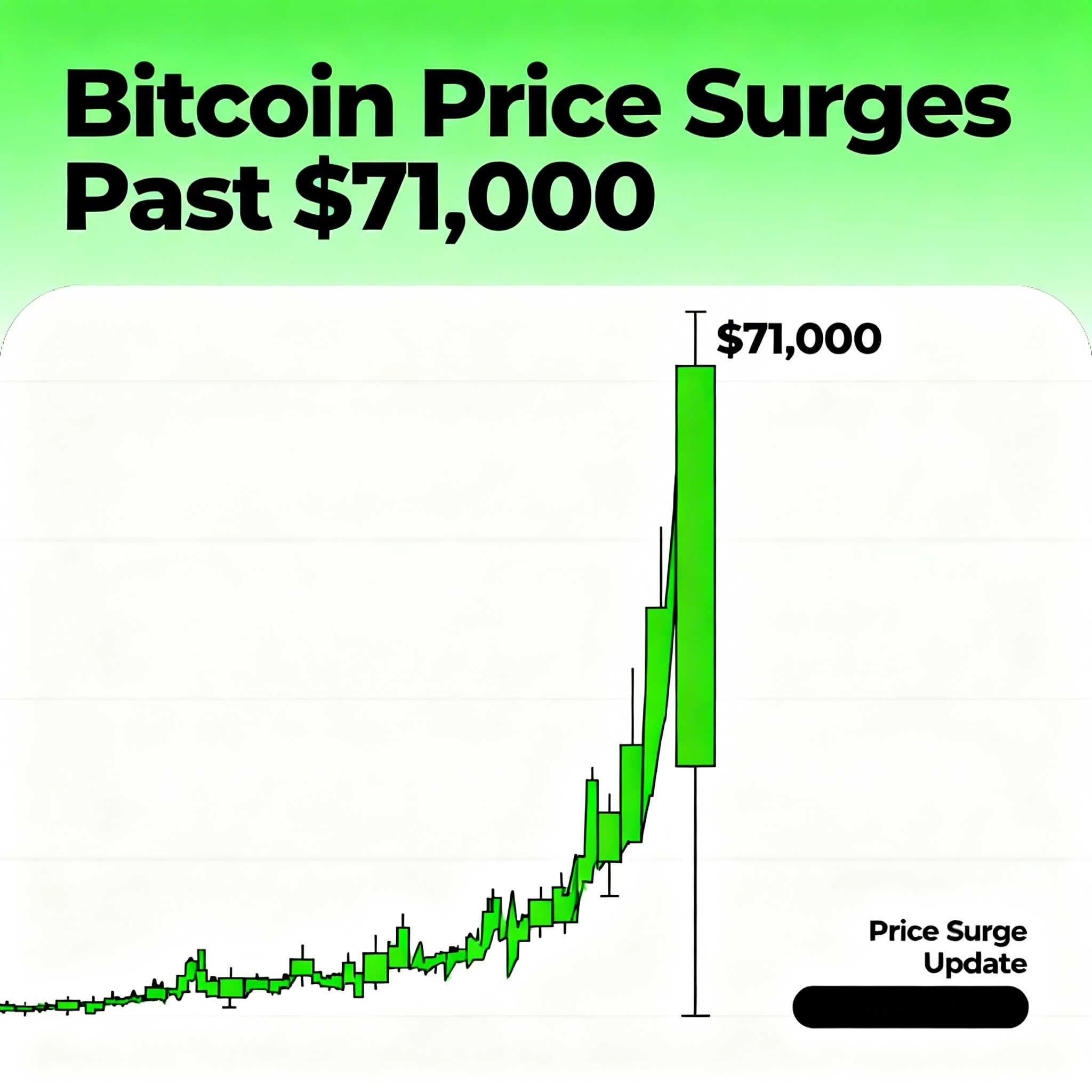
Bitcoin climbed above $71,000 on Wednesday, gaining more than 6% over the past 24 hours and leading a broader rally across the cryptocurrency market.
The world’s largest digital asset by market capitalization rose to $71,023 during European trading hours, according to CoinDesk data, highlighting its resilience even as geopolitical tensions in the Middle East continue to escalate. In contrast, gold — a traditional safe-haven asset — has retreated in recent sessions.
Other major cryptocurrencies also moved higher alongside bitcoin. Ether (ETH), XRP and solana (SOL) each posted gains between 4% and 6%, reflecting renewed strength across the digital asset sector.
The CoinDesk 20 Index, which tracks the performance of leading cryptocurrencies, climbed more than 5% to around 2,025.
Analysts at Tagus Capital noted that bitcoin may increasingly show defensive qualities during periods of geopolitical stress. However, the firm pointed out that gold’s recent decline illustrates that even classic safe-haven assets can be influenced by changing market dynamics.
“Bitcoin may now exhibit some defensive characteristics during crisis periods, but gold’s retreat highlights that even classic safe-havens are not immune to market dynamics, positioning Bitcoin as a more flexible yet still high-beta alternative,” the firm wrote in its daily newsletter.
Bitcoin’s rally pushed prices to their highest level since Feb. 8, even as the geopolitical situation worsens. Iran’s move to block oil shipments through the Strait of Hormuz has raised concerns about potential disruptions to global energy supplies and rising inflation.
Despite the escalating conflict involving Iran, Israel and the United States since the weekend, bitcoin has remained relatively resilient, with downside pressure largely contained around the $65,000 level.
Gold, meanwhile, has pulled back after an earlier surge. The precious metal briefly climbed above $5,400 per ounce on Monday before easing to roughly $5,160.
Asian equity markets have also faced pressure amid the developments. Regional indexes have declined, led by South Korea’s Kospi, as rising oil import costs weigh on investor sentiment.