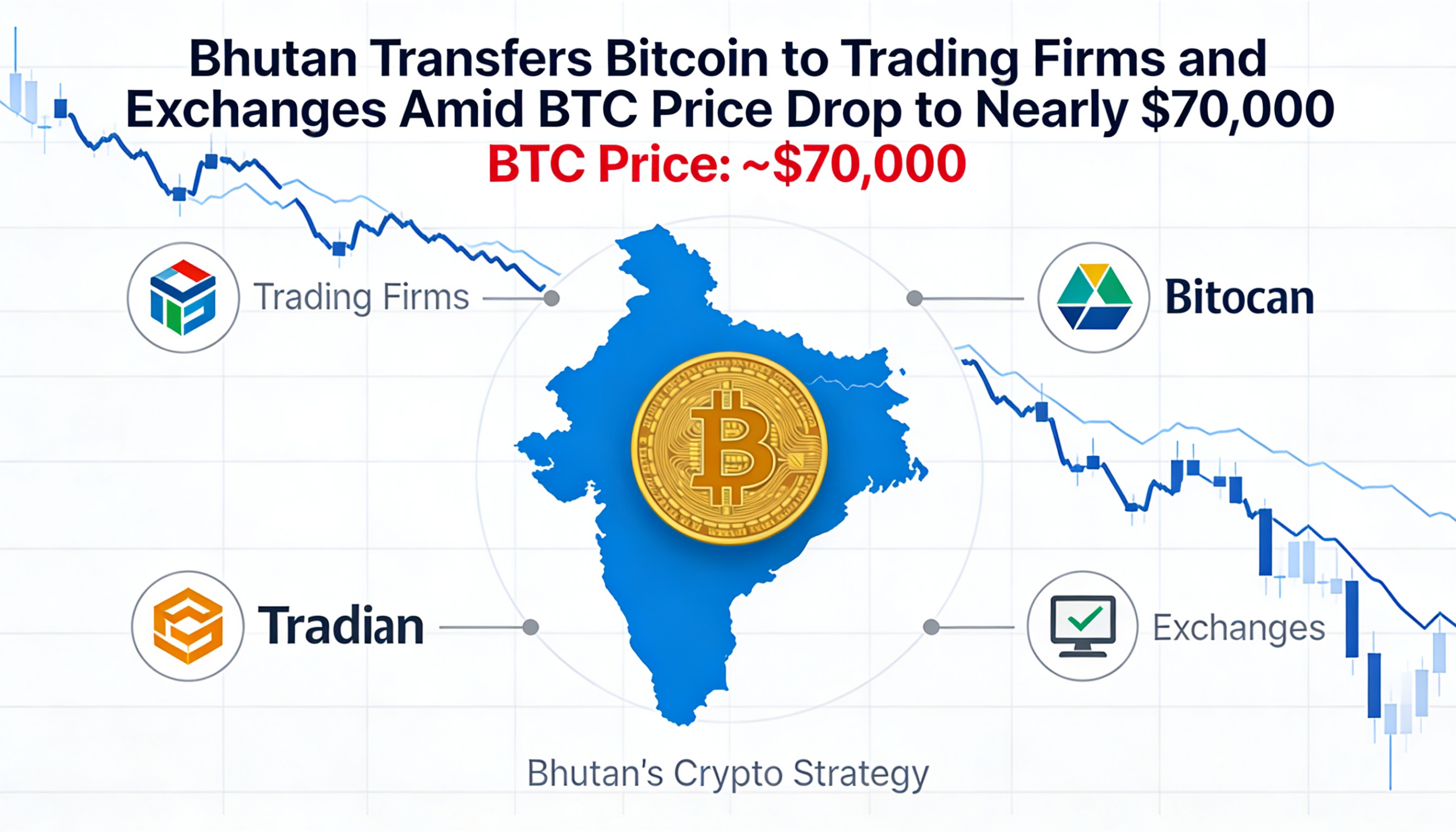
Blockchain data indicates the Royal Government of Bhutan has reactivated its bitcoin wallets after a prolonged pause, moving funds to trading firms and exchanges as turbulence grips crypto and wider financial markets.
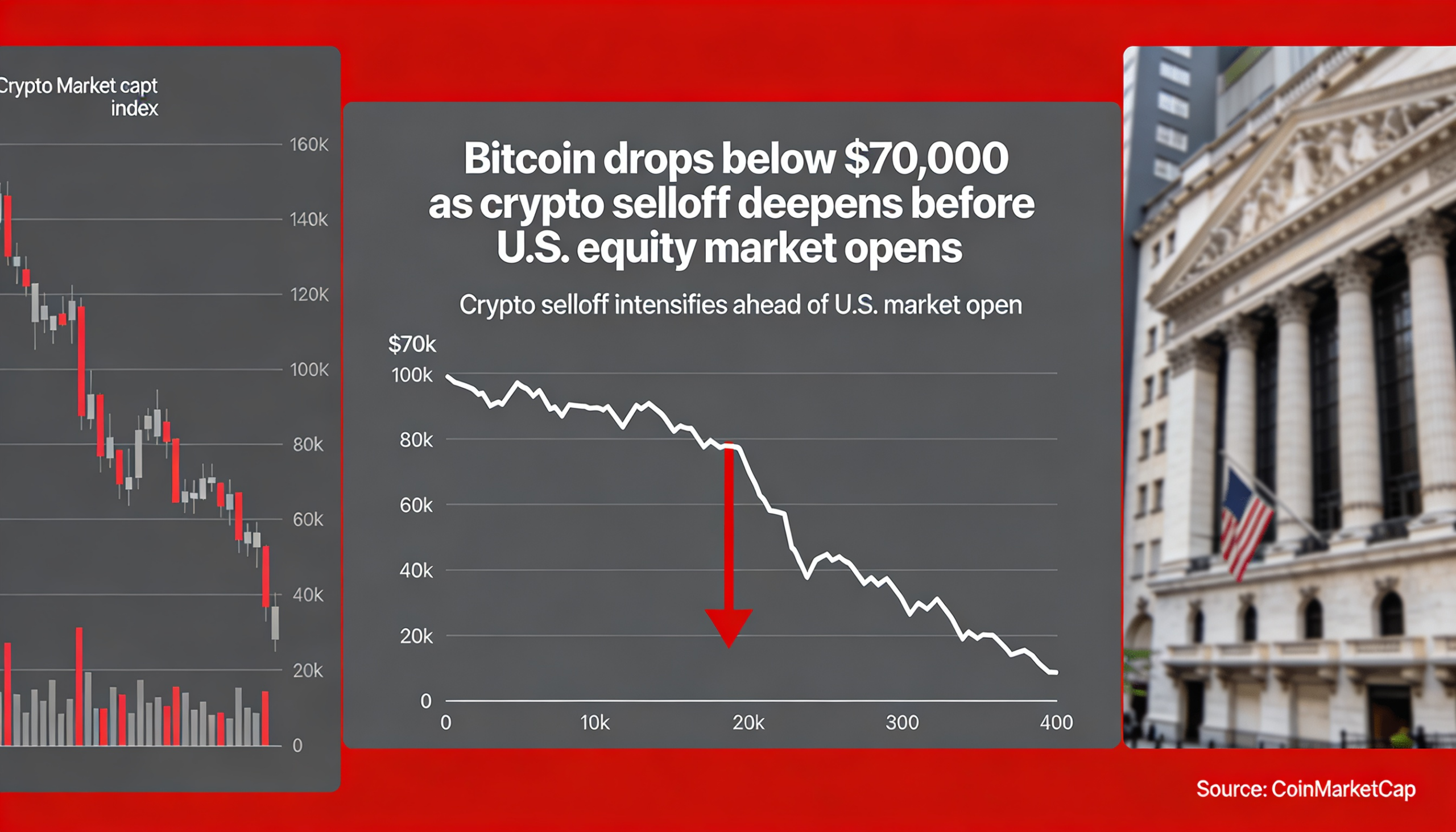
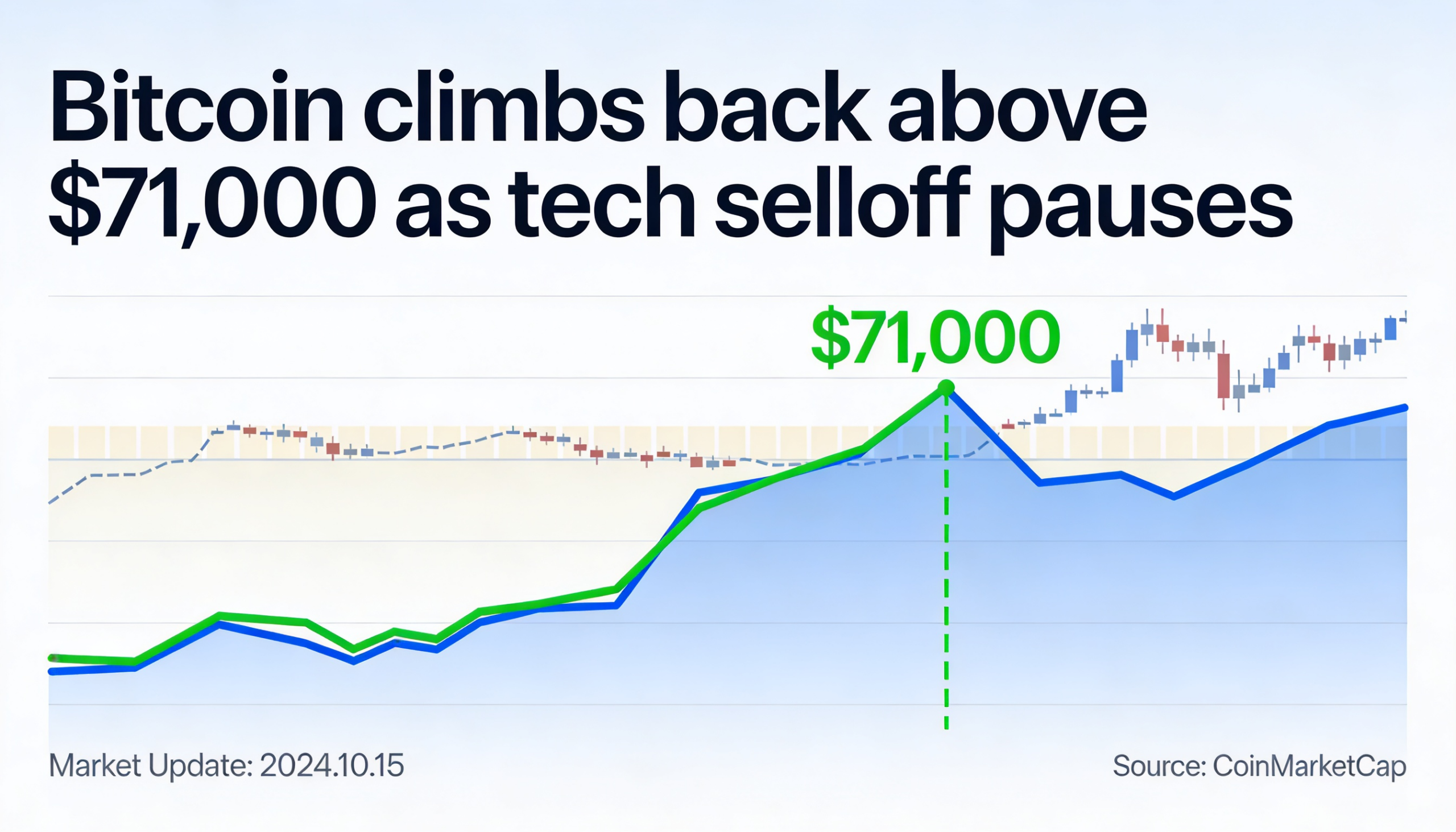
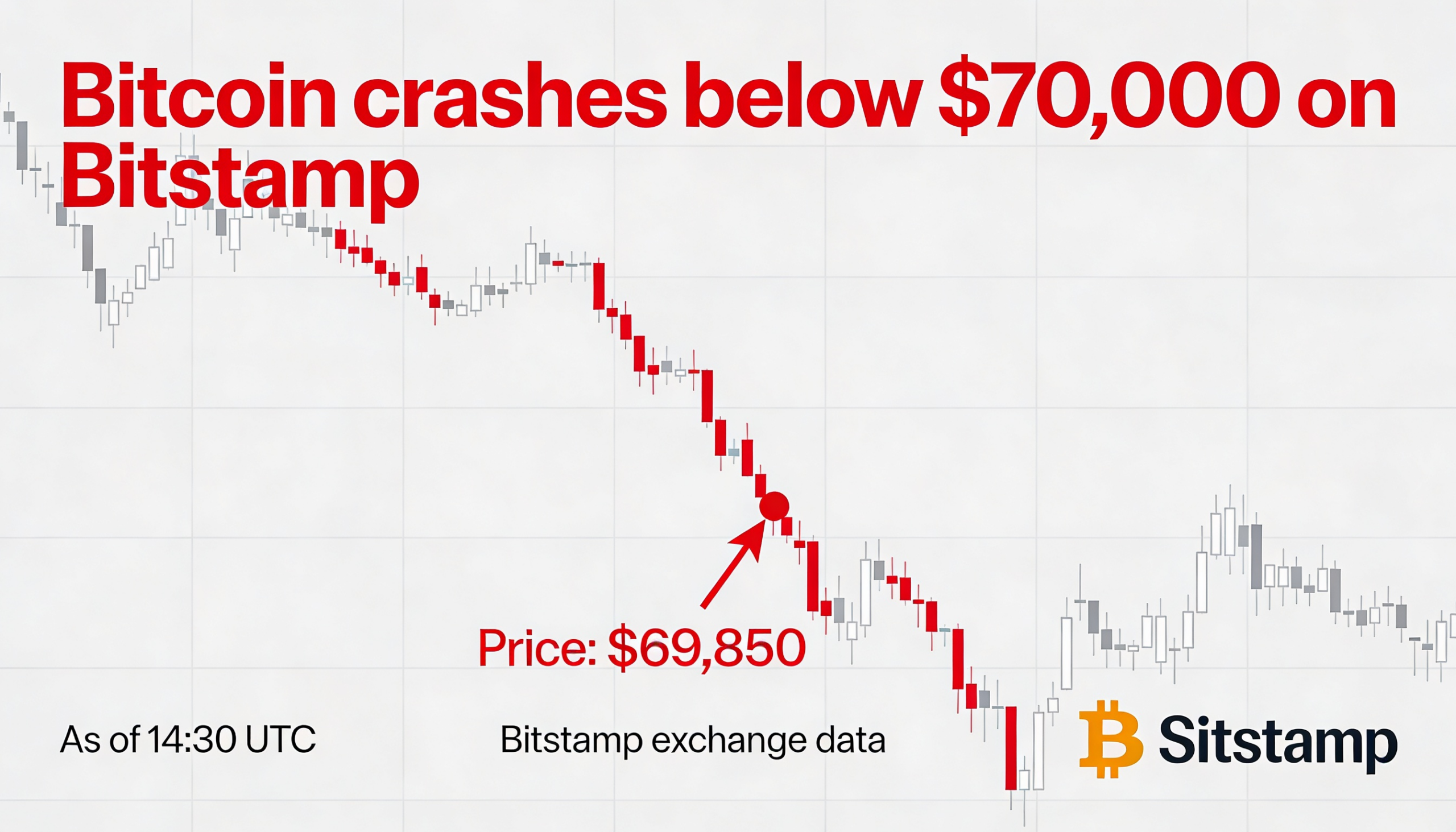
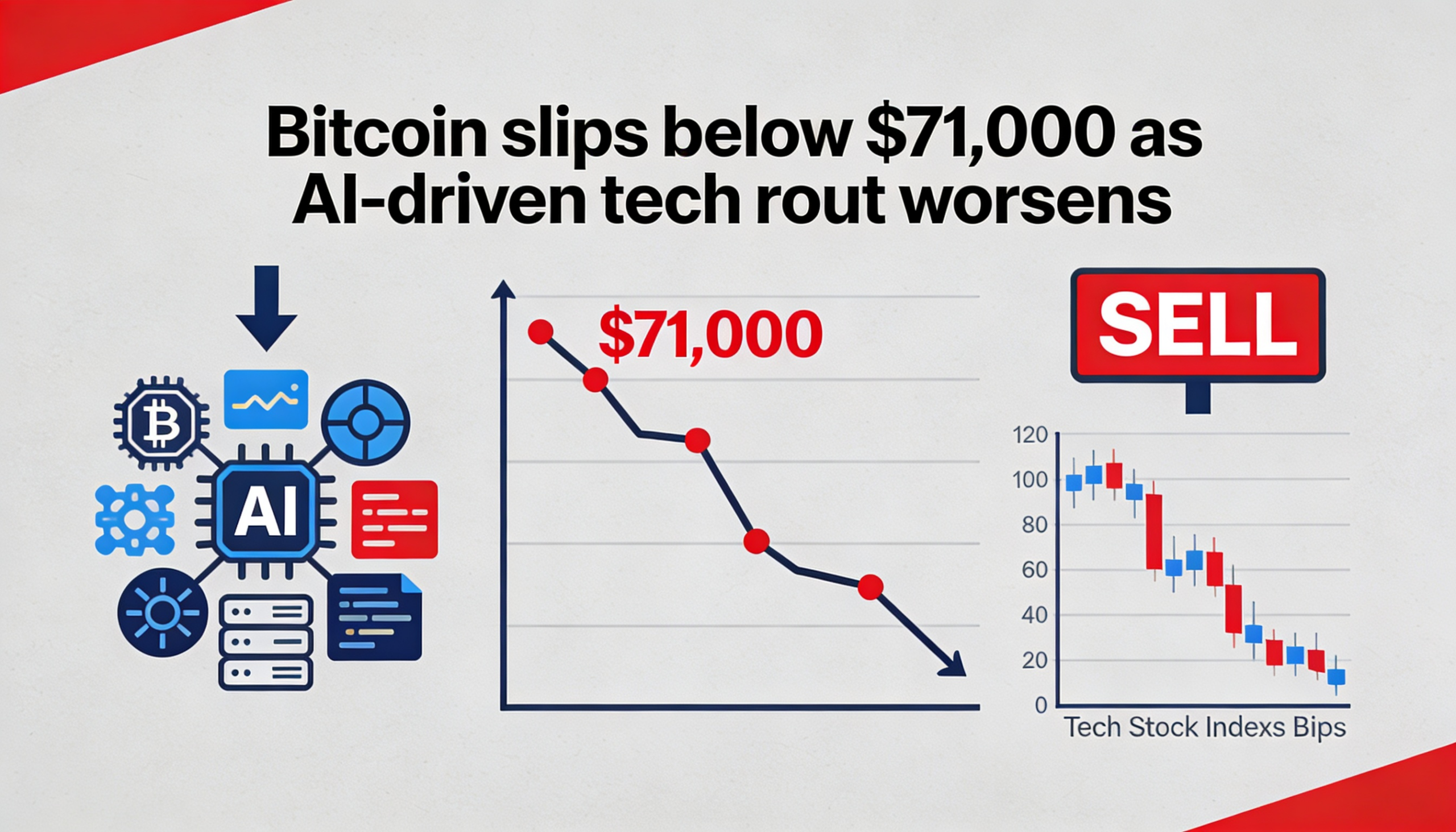
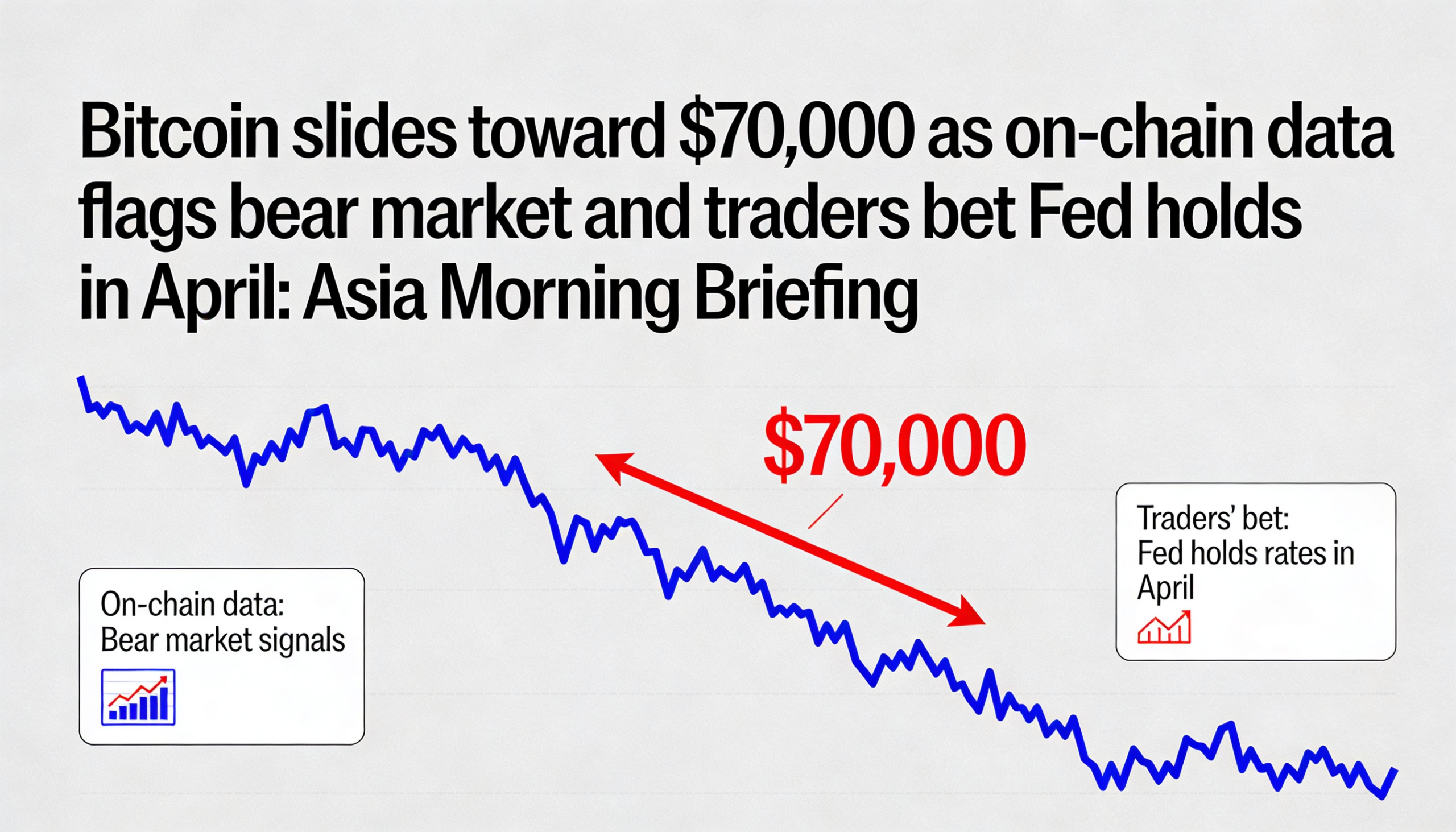
On-chain data from Arkham shows Bhutan-linked addresses transferred more than 184 BTC — valued at around $14 million — in the past 24 hours. The activity coincided with bitcoin slipping below $71,000 during a broader market selloff.
According to Arkham, some of the bitcoin was sent to newly created wallets, while other transfers went to established counterparties, including QCP Capital and a Binance hot wallet. These destinations are commonly associated with trading, liquidity management or potential sales. CoinDesk reached out to QCP Capital via Telegram for comment.
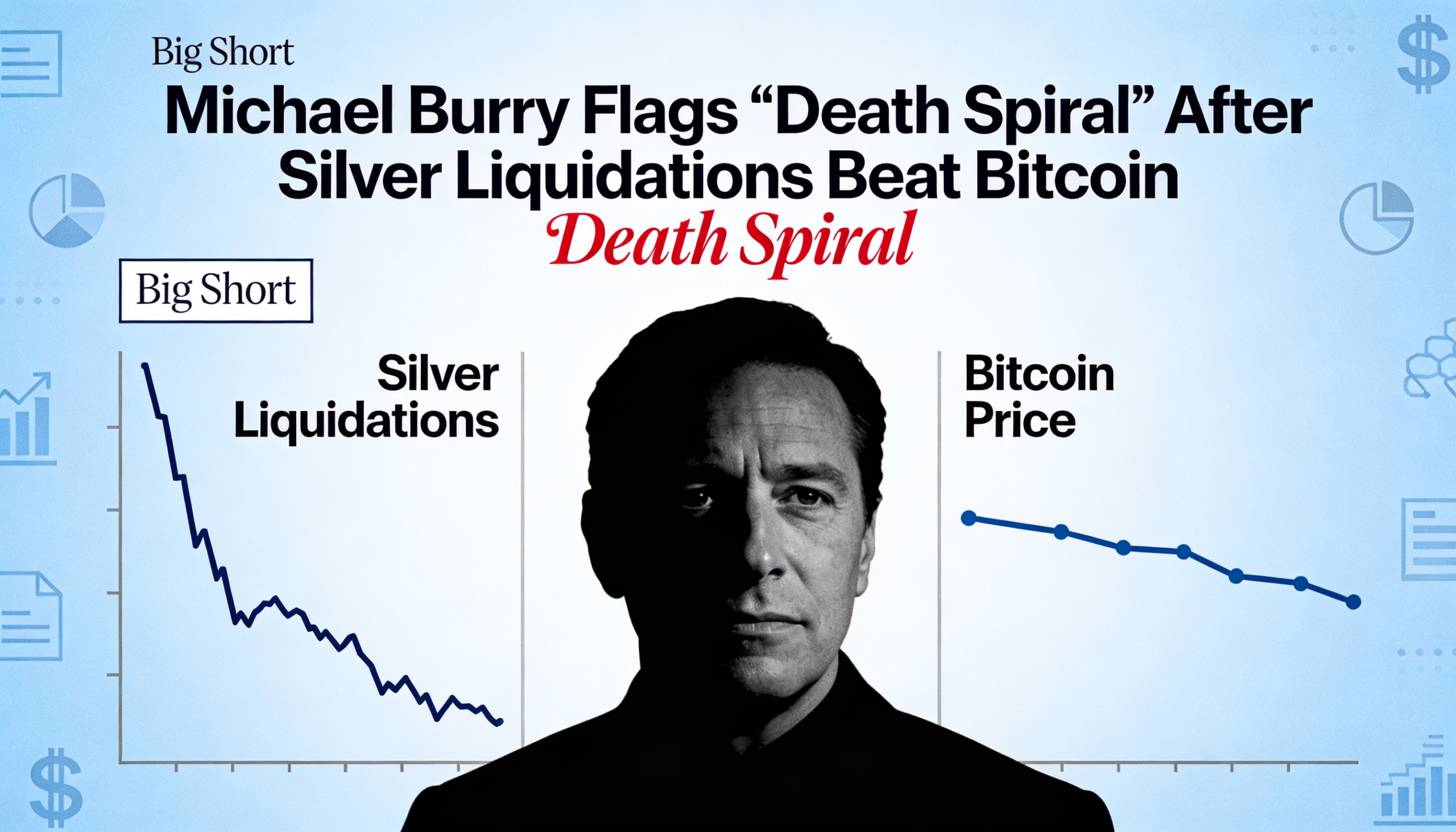
The transactions mark Bhutan’s first significant wallet movement in roughly three months and come at a time of heightened market volatility. Bitcoin has fallen more than 7% over the past day, while silver dropped as much as 17% and global equities declined amid worries that heavy spending on artificial intelligence is pressuring traditional software business models.
Over the past two years, Bhutan has quietly emerged as one of the more unconventional sovereign bitcoin holders, accumulating its stash through state-backed mining operations powered by hydropower. Unlike corporate treasuries that publicly tout their bitcoin strategies, Bhutan has largely kept its holdings out of the spotlight, making any wallet activity closely watched by traders.
The latest transfers do not confirm immediate selling. Funds were spread across multiple destinations, including new addresses that may point to internal restructuring, collateral positioning or operational adjustments rather than outright liquidation.
Still, the decision to move bitcoin to exchanges and trading firms during a sharp market pullback contrasts with Bhutan’s otherwise long stretches of inactivity. The activity also mirrors a broader trend in the current downturn, with large holders increasingly treating bitcoin as a balance-sheet asset rather than a static reserve.
Corporations, miners and now sovereign-linked entities appear to be repositioning as liquidity conditions tighten and price swings intensify.