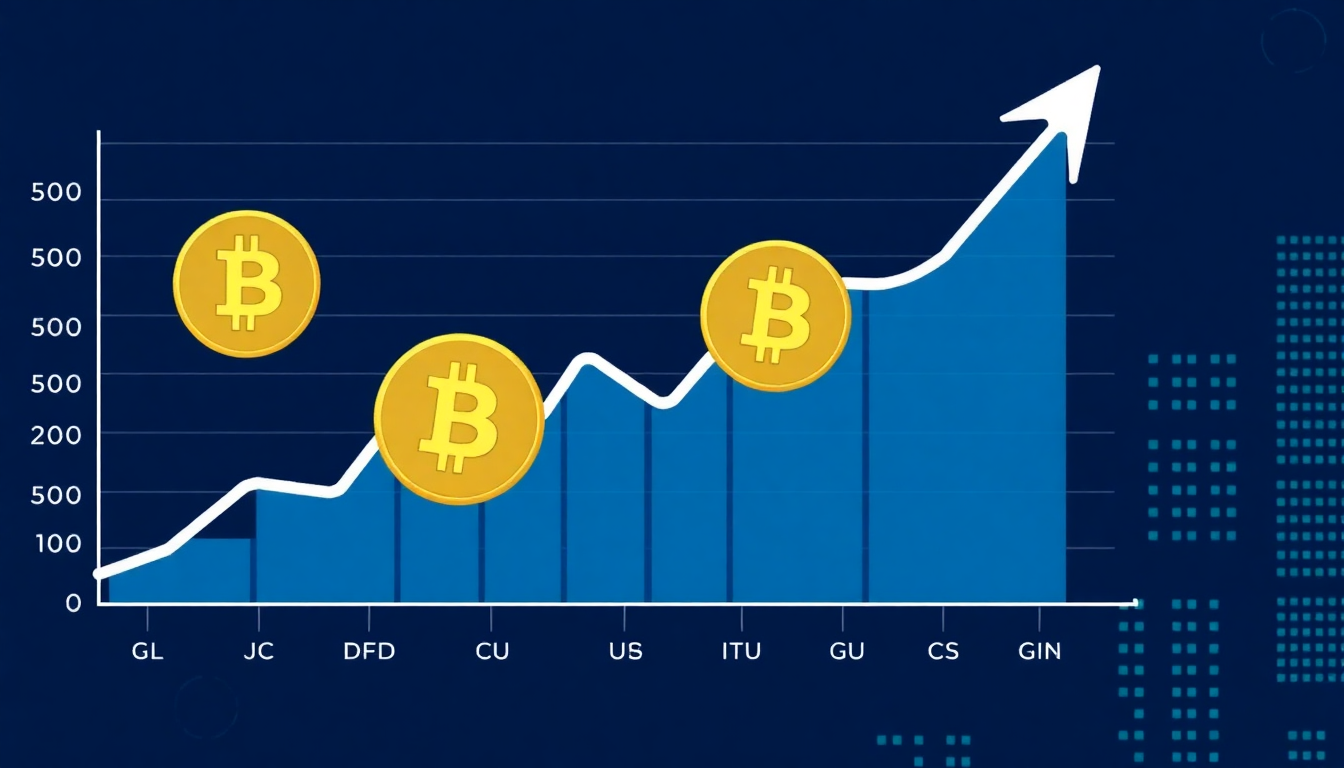
The stablecoin sector is poised to grow nearly fivefold to $1.2 trillion within two years, a expansion that will give digital currency issuers meaningful influence over U.S. Treasury markets and short-term borrowing costs, according to new research from Coinbase.
🔢 Key Projections
- Market Growth: $270B → $1.2T by 2028
- Weekly T-Bill Demand: +$5.3B from stablecoin expansion
- Yield Impact: 2–4 basis point reduction on 3-month Treasuries
- Risk Scenario: $3.5B outflow could trigger liquidity pressures
🏛️ How Stablecoins Move Traditional Markets
The Transmission Channel:
- Issuers (Circle/Tether) hold Treasuries as reserve assets
- Market growth = increased Treasury demand = lower yields
- Reduced short-term rates translate to cheaper corporate borrowing
The Regulatory Backstop:
The 2027 GENIUS Act mandates:
- 100% reserve backing
- Regular audits and attestations
- Bankruptcy-remote structures
- Clear redemption rights
📆 Implementation Timeline
- 2024: GENIUS Act final rulemaking
- 2025: Reserve transparency becomes standard
- 2026: Stablecoin/Treasury correlation emerges
- 2027: Full regulatory compliance required
- 2028: $1.2T market target achieved
🌍 Real-World Implications
- Corporations: Lower short-term funding costs
- Traders: Tighter money market spreads
- Policymakers: New monetary transmission channel
- Investors: Altered short-duration asset returns
💬 Expert Insight
“This isn’t theoretical—we’re watching a new monetary layer emerge,” said David Duong, Head of Coinbase Research. “The $1.2T stablecoin market will influence how every company from Apple to Walmart funds daily operations.”
⚠️ Risk Considerations
While growth presents opportunities, regulators note:
- Rapid redemptions could tighten Treasury liquidity
- Concentrated issuer control requires ongoing oversight
- Global coordination needed as market expands
This analysis illustrates how crypto-native innovations ar
e increasingly intersecting with—and influencing—traditional finance, creating both opportunities and new systemic considerations for market participants.