


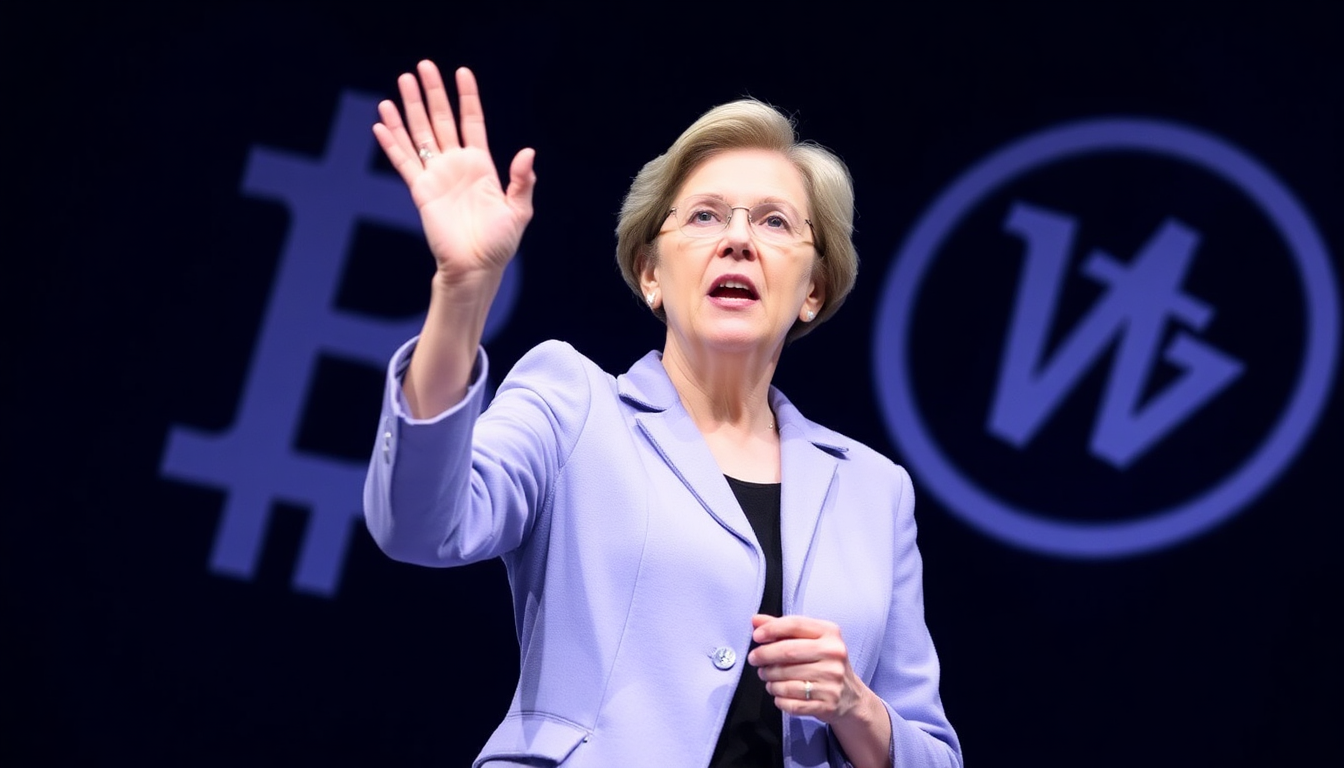
Elizabeth Warren is expected to take charge of the Senate Banking Committee, positioning one of Washington’s strongest critics of the financial industry at the center of upcoming regulatory debates. Her potential leadership could bring increased oversight of Wall Street, cryptocurrency businesses, and the regulations surrounding retail day trading.
Democrats’ victories in both chambers of Congress during the November 2026 midterm elections could give Warren greater influence over financial investigations and federal regulatory policy. Her priorities may extend beyond traditional banks to include retail trading platforms, market structures, and prediction markets.
The Massachusetts senator has long advocated stricter financial regulations and stronger protections for ordinary investors. Taking over the committee would give her a more powerful platform to pursue those goals through investigations, public hearings, and legislative proposals.
Elizabeth Warren’s Regulatory Push Could Affect Retail Day Trading
The debate over day trading involves more than investors’ freedom to buy and sell stocks. It also concerns the infrastructure behind financial markets, including how retail orders are processed, priced, and directed to trading venues.
Warren has already entered this debate. On October 1, she joined four Democratic senators in asking SEC Chairman Paul Atkins to maintain important protections established under the Regulation National Market System.
The lawmakers opposed proposed revisions to Rules 611 and 610(e), warning that weakening these safeguards could result in poorer execution prices for retail investors. They argued that institutional market participants might benefit from the changes while individual traders could face higher transaction costs.
These regulations play an important role for day trading platforms and their customers. Traders operating in fast-moving markets depend on competitive execution, transparent pricing, and dependable access to liquidity.
Warren’s involvement indicates that retail trading regulations are already receiving attention as part of her broader financial agenda. If she becomes committee chair, she could use congressional hearings to question the SEC about how brokerage firms, exchanges, and market makers process orders from individual investors.
However, there is an important distinction: Warren has not announced a specific proposal to restrict day trading or limit the number of transactions retail investors can execute.
Crypto and Prediction Markets Could Also Face Increased Scrutiny
Day trading is not the only financial sector that could attract Warren’s attention. She has also raised concerns about prediction markets, particularly the possibility that individuals with access to confidential information could use it to profit from event-based contracts.
The Wall Street Journal reported that Warren intends to examine potential insider trading in prediction markets, along with activities involving private equity firms, major banks, and cryptocurrency companies. Democrats are also preparing investigations into financial connections between the crypto industry, Donald Trump, and his family.
Warren is expected to lead the Senate Banking Committee and has signaled plans to investigate alleged financial arrangements between cryptocurrency businesses and the president.
Such investigations could place companies with political connections under additional scrutiny. They could also divert congressional resources from crypto market structure legislation, which the industry has been pushing forward to secure clearer regulatory guidelines.
For retail trading companies, the consequences may not involve direct restrictions on trading activity. However, broader investigations into investor protections, prediction markets, and financial intermediaries could eventually influence the regulatory requirements imposed on trading platforms.
Warren’s opponents argue that expanding financial oversight could increase compliance costs, discourage competition, and create additional barriers for market participants. Supporters counter that stronger rules are necessary to protect ordinary investors and prevent powerful financial institutions from gaining unfair advantages.
Ultimately, the extent of Warren’s influence will depend on how aggressively she uses the Senate Banking Committee’s authority. Control over hearings, investigations, and legislative priorities could give her significant leverage in shaping the regulatory environment for Wall Street, cryptocurrency companies, and retail trading platforms.