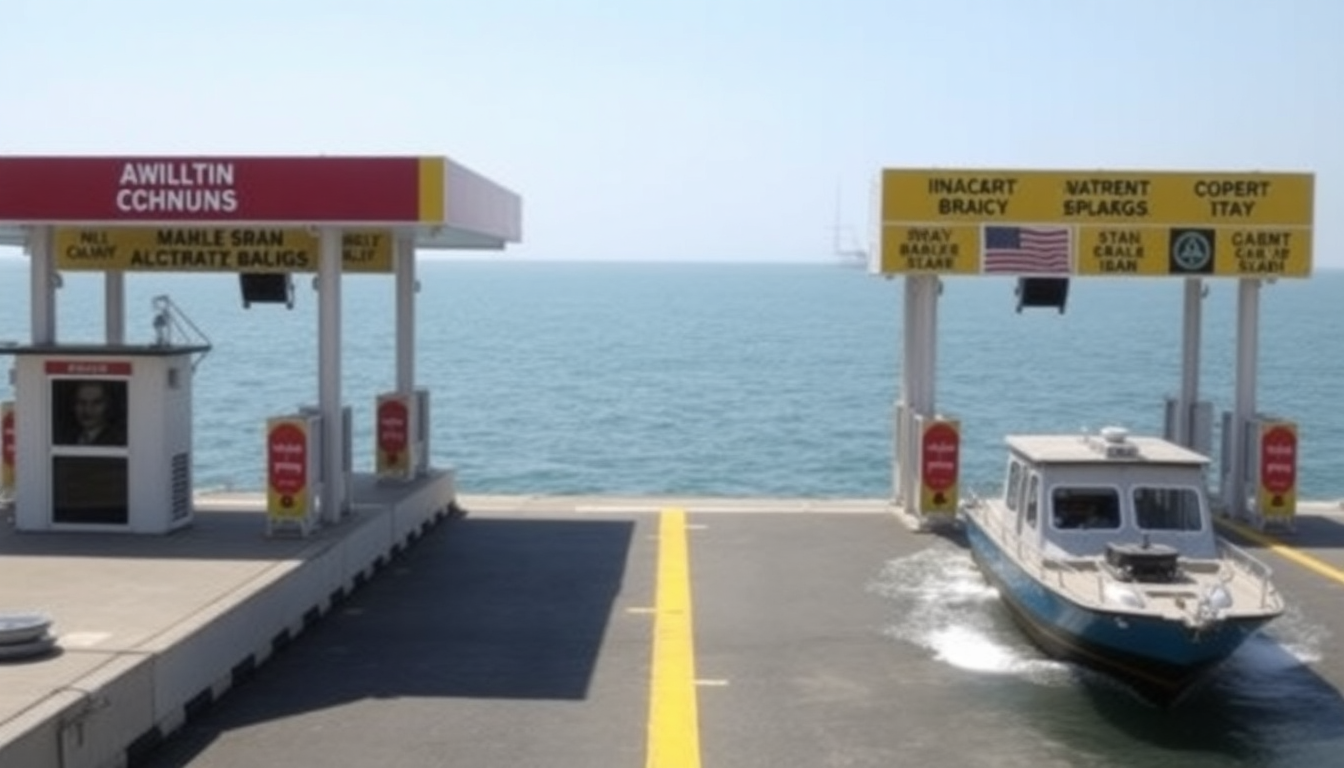
The U.S. Treasury Department has imposed sanctions on BitBank, a Tehran-based cryptocurrency exchange that it says moved hundreds of millions of dollars in bitcoin to Iran’s Islamic Revolutionary Guard Corps and processed funds connected to ships paying for passage through the Strait of Hormuz.
According to Treasury, Iran has charged tankers between $1 million and $2 million this year to cross the strategic shipping route. Since June, some of the money collected from those vessels has allegedly been routed through BitBank.
The Office of Foreign Assets Control announced Thursday that it had designated BitBank, which was established in Tehran in 2024, along with Pishtaz Simorgh Electronic Trade Company, the software company that developed the exchange.
Treasury Secretary Scott Bessent said the designations demonstrate that U.S. authorities can target cryptocurrency infrastructure used to support the Iranian government.
OFAC alleges that BitBank transferred hundreds of millions of dollars in bitcoin to the Islamic Revolutionary Guard Corps, an Iranian military organization with extensive involvement in the country’s economy that the U.S. has designated as a terrorist organization.
At the same time, the Hormuz Safe Marine Services Authority, which Tehran uses to provide “safe passage” insurance for ships and was sanctioned by the U.S. on July 29, reportedly started using BitBank to move the proceeds it collected to entities linked to the Iranian regime.
Crypto Used for Hormuz Payments
HormuzSafe was developed by Iran’s economy ministry and offers services including insurance, maritime traffic management and emergency response for vessels that pay for its services.
OFAC said shipping lawyers have argued that the system violates transit rights established under the Law of the Sea.
The sanctions block any BitBank property located within U.S. jurisdiction and prohibit U.S. persons from conducting business with the exchange.
The designation also includes secondary sanctions, potentially exposing foreign companies that interact with BitBank to restrictions. A Dubai-based exchange or Istanbul bank that handles transactions involving BitBank could therefore risk losing access to the U.S. financial system, even if no U.S. party is directly involved.
For offshore platforms that continue serving Iranian customers, the primary concern is the potential loss of access to dollar-based financial services rather than direct prosecution in the United States.
No Wallet Addresses Identified
The latest Treasury action did not identify specific cryptocurrency wallet addresses associated with BitBank.
OFAC has included wallet addresses in previous crypto sanctions cases. When the agency designated Zedcex in January, for example, it listed seven Tron wallet addresses.
These blockchain addresses are commonly used by compliance teams as screening identifiers, allowing financial institutions and cryptocurrency platforms to detect and block transactions involving sanctioned wallets.