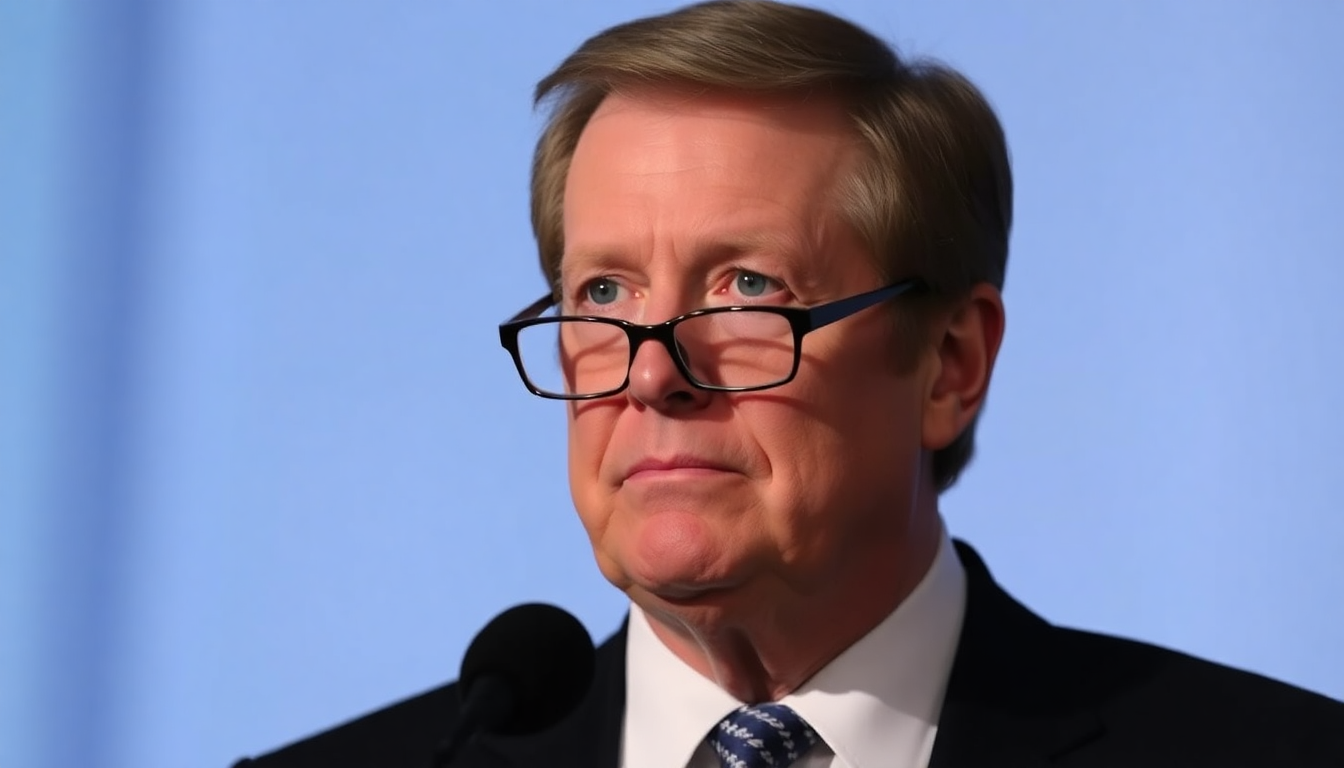
Billionaire investor Stanley Druckenmiller says the Treasury’s bond-buyback strategy could weaken an important market discipline mechanism and increase financial risks by shielding the government from borrowing pressures.
Druckenmiller, who once mentored Treasury Secretary Scott Bessent, said his former protégé should recognize that policymakers cannot indefinitely counter underlying market forces.
His remarks follow the Treasury’s decision to raise its bond-buyback operations to $4 billion in an effort to ease pressure on longer-term yields. Long-term borrowing costs have recently reached their highest levels since 2007.
Druckenmiller argues that while the buybacks may provide temporary relief, they cannot resolve the factors pushing yields higher, including nominal economic growth, persistent fiscal deficits and the country’s growing debt burden. U.S. government debt recently surpassed $40 trillion for the first time.
In a Wall Street Journal opinion article, Druckenmiller warned that governments attempting to defend prices against fundamental market forces ultimately fail. He added that rising interest rates can serve as an early warning of financial stress, while artificially suppressing those rates could make the eventual risks more severe.
The investor also argued that financial markets process information more efficiently than government committees. In his view, long-term Treasury yields serve as a natural constraint on government borrowing by increasing the cost of excessive debt.
Removing that constraint, he said, could reduce the incentive for elected officials to maintain fiscal discipline.
Why Druckenmiller Questions the Buyback
Druckenmiller said the Treasury’s intervention may not be necessary because the current 10-year yield is broadly consistent with the economy’s nominal growth rate. As a result, he believes financial conditions remain relatively accommodative rather than restrictive.
He argued that monetary and financial conditions would become restrictive only if Treasury yields climbed above nominal economic growth.
The 10-year Treasury yield, which influences borrowing costs ranging from mortgages to student loans, has increased about 50 basis points this year to roughly 4.70%. The 30-year yield has risen around 34 basis points to 5.22%, after briefly reaching 5.335%, its highest level in nearly two decades.
Treasury yields have remained relatively steady since the buyback announcement, while Bitcoin and gold have rallied as investors speculate that additional government support could follow.
Druckenmiller’s assessment is similar to that of analysts who believe the buybacks could temporarily limit increases in long-term yields without changing the broader forces driving them.
From that perspective, the Treasury program may provide short-term support for the bond market, but it is unlikely to reverse the longer-term direction of yields.