Bitcoin’s largest holders are quietly expanding their positions, with the number of wallets containing 10,000 BTC or more reaching a six-month peak.
Santiment data shows that 90 such wallets are now active, up from 84 eight weeks ago. The six-wallet increase represents a 7.1% rise in the number of addresses holding at least 10,000 BTC.
The latest buildup follows a broader accumulation pattern among large Bitcoin holders. Since July 29, wallets holding between 10 BTC and 10,000 BTC have added an estimated $1.5 billion worth of BTC, according to Santiment.
The analytics firm previously noted that the growing holdings of whales and sharks, combined with selling among smaller investors, could improve the odds of Bitcoin reclaiming $70,000 rather than falling below $60,000.
Smaller wallets have been moving in the opposite direction. Santiment said balances held by “micro” wallets have declined throughout August, highlighting a widening gap between large and small market participants.
The divergence comes amid several sources of uncertainty. A recent exploit involving Coldcard hardware wallets resulted in roughly $120 million worth of Bitcoin being drained, while progress on the U.S. Clarity Act has been delayed. The Senate has now pushed consideration of the crypto market-structure legislation into September.
The contrasting activity suggests a redistribution of Bitcoin supply, with coins increasingly moving from smaller holders toward larger investors commonly described as “strong hands.”
Such shifts have historically appeared around major changes in Bitcoin’s price trend. Santiment said the latest accumulation pattern could therefore strengthen the case for an eventual upside move.
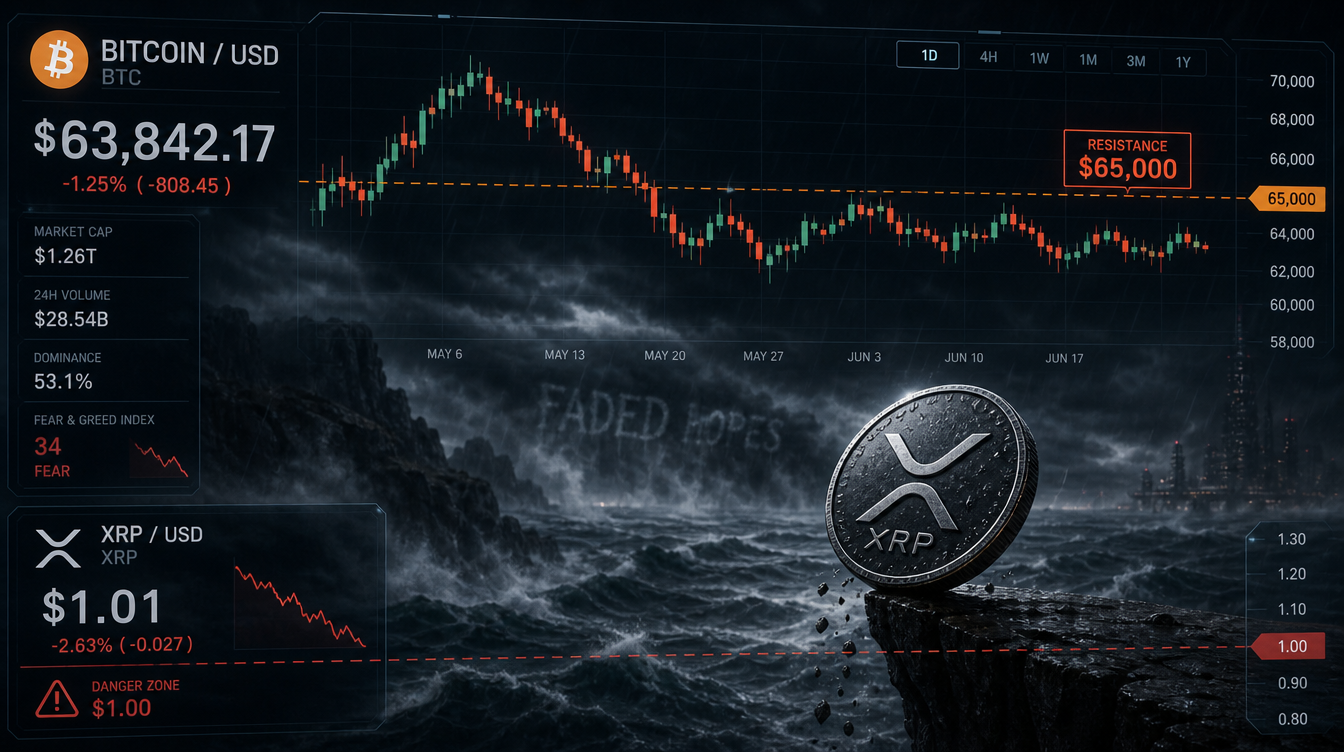
Bitcoin was trading around $63,800 at the time of writing. It is still too early to determine whether whale accumulation will develop into a sustained recovery or simply represent a temporary period of buying.
What is clear from the blockchain data is that the behavior of large and small holders has diverged: major investors are increasing their exposure, while smaller wallets continue to retreat.