Here’s a smoother, more refined rewrite of your passage:
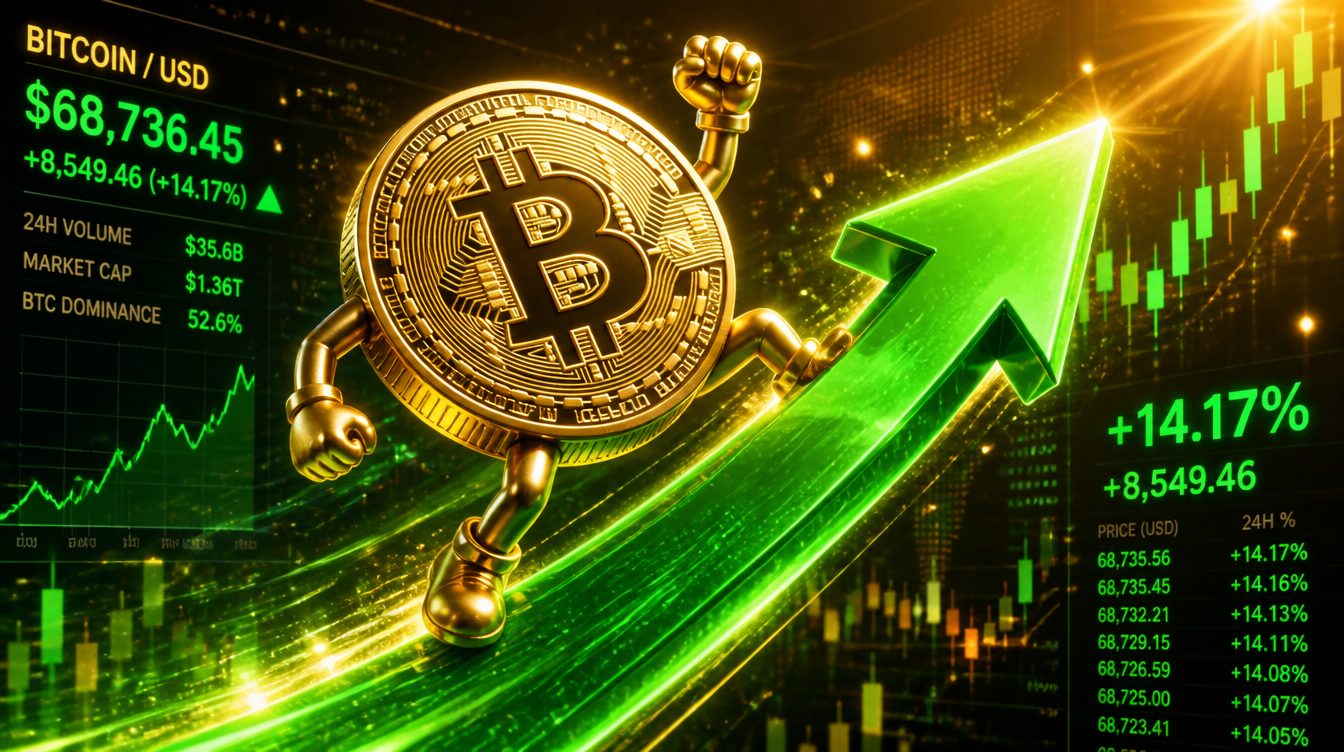
Bitcoin pushed above $65,000 as the market showed growing resilience to geopolitical shocks, with much of the impact now being absorbed in derivatives markets. At the same time, a sharp downturn in South Korea’s KOSPI index triggered a 1,318% spike in trading volume on Upbit.
On July 15, 2026, BTC briefly crossed the $65K mark, supported by softer U.S. inflation data that eased expectations of aggressive Federal Reserve tightening. This came even as U.S.–Iran tensions escalated, following fresh airstrikes ordered by President Donald Trump the previous weekend.
Despite the ongoing conflict, Bitcoin had already rebounded above $63,000 within days, and price reactions to new Middle East developments have been increasingly muted. This suggests investors are no longer responding with the same level of fear.
Rather than simply signaling resilience, this shift points to a decline in the geopolitical risk premium tied to Iran-related news. Instead of triggering spot market sell-offs, volatility is now being priced into derivatives markets.
With BTC testing $65,000, a confirmed move above this level could establish it as support, leading some analysts to project a potential retest of $70,000 in the near term.
Iran’s Diminishing Impact on Bitcoin
The contrast with June 2025 is striking. During a similar escalation, Bitcoin plunged below $99,000, triggering over $1 billion in liquidations within a single day—mostly long positions.
This time, however, liquidation levels tied to Iran-related headlines have been far more subdued, indicating traders are adjusting positions rather than capitulating.
The geopolitical risk premium hasn’t disappeared—it has shifted into derivatives. Market reactions are now reflected more in options pricing, including implied volatility and downside hedging, rather than broad spot selling.
Notably, the highest options activity in the past 24 hours has been concentrated at the $80,000 call strike, suggesting traders are still positioning for upside while hedging short-term risks.
As analyst Darryn Pollock observed, traders appear increasingly desensitized to repeated Middle East tensions, reacting less dramatically with each new development.
This trend is also evident in market behavior during weekends: while Bitcoin still attracts initial panic flows, those moves are becoming smaller and shorter-lived.
South Korea Drives Crypto Rotation
Meanwhile, South Korea has emerged as a key driver of crypto market activity. The KOSPI index has fallen more than 20% from its June peak, officially entering bear market territory.
Major components like Samsung and SK Hynix—together accounting for roughly half the index—have amplified the downturn. SK Hynix, in particular, saw a massive rally earlier in the year before dropping sharply, highlighting growing uncertainty around AI-driven valuations.
Amid the equity sell-off, Upbit recorded a 1,318% surge in trading volume, reaching $4.2 billion in just 24 hours. XRP even surpassed Bitcoin in trading volume on the platform, signaling a broader shift toward altcoins. This aligns with a rising Altcoin Season Index and a decline in Bitcoin dominance.
However, not all of this activity reflects bullish sentiment. South Korea’s Financial Supervisory Service reported that 1.2 million leveraged accounts faced margin calls during the same period. This suggests that part of the crypto inflow may be driven by forced liquidations in equities being redirected into digital assets.
Rotation or Temporary Demand?
The key question now is whether this influx into crypto represents a lasting shift or a temporary, exhaustion-driven move.
As Pollock noted, crypto is increasingly acting as a refuge for traders fatigued by constant macro and geopolitical headlines—from Middle East tensions to volatility in Asian equity markets.
That said, this type of demand can be fragile. While it may support prices in the short term, it can quickly reverse if a new and more severe shock emerges—such as a disruption in global oil supply that pushes inflation higher again.
For now, the data suggests markets are growing numb to Iran-related developments. Whether that continues will depend not on where the next shock comes from, but how unexpected it is.