Executives at major Indian exchanges CoinDCX and CoinSwitch say the recent surge in USDT’s premium reflects a classic demand-supply imbalance, worsened by shallow local liquidity.
Tether (USDT), the world’s largest dollar-backed stablecoin, is trading well above its peg on Indian platforms. While some reports have linked the spike to recent enforcement developments, exchanges maintain that pricing is being driven by market forces.
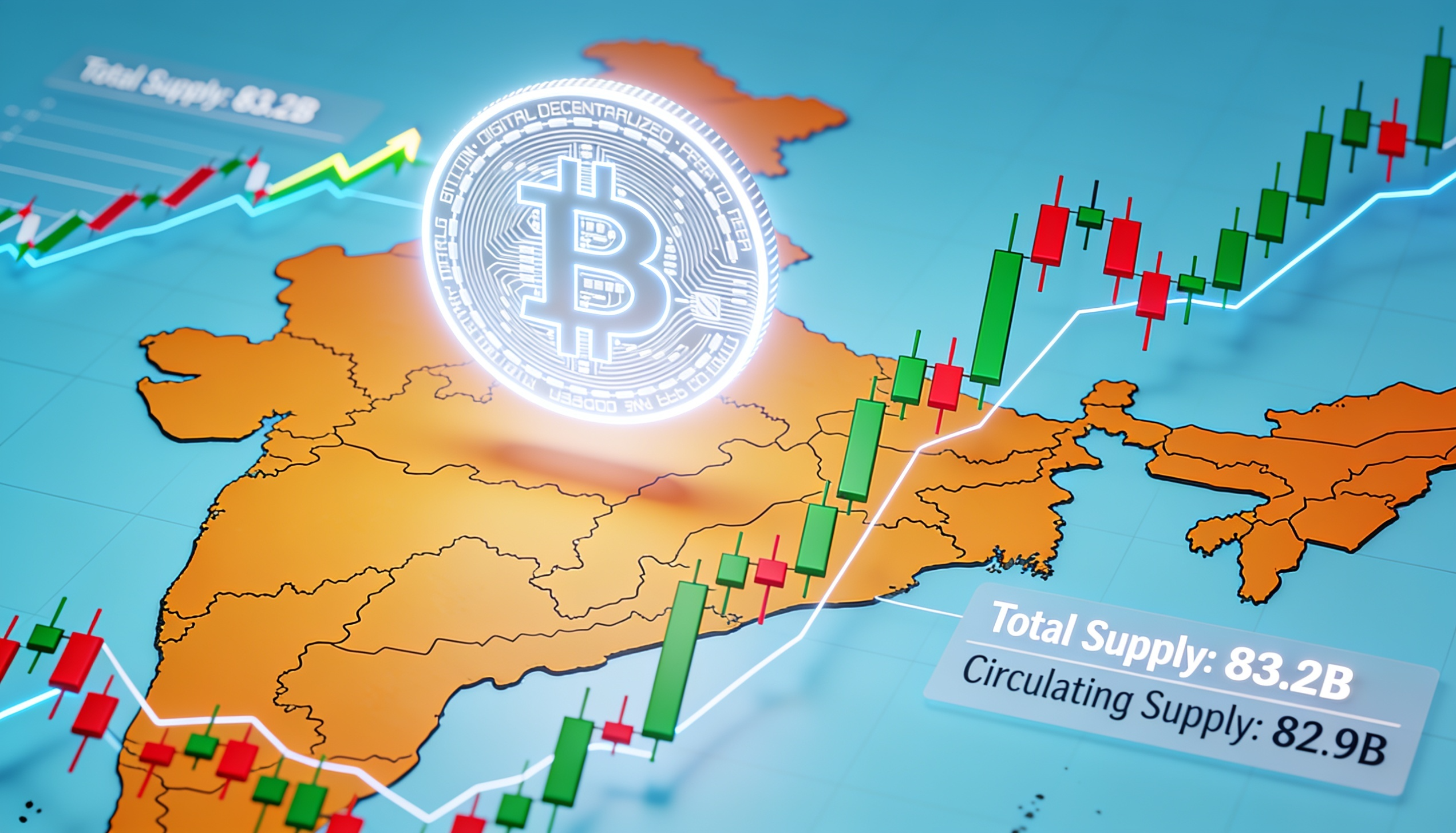
Over the weekend, USDT traded at a 7%–10% premium in India, at one point reaching around ₹102.88 versus an official USD-INR rate near ₹94.65. Under normal conditions, the premium typically sits between 3% and 4%, representing the extra cost investors pay for dollar exposure through crypto rails instead of traditional banking.
The spike followed action by the Enforcement Directorate involving USDT-related flows, though exchanges point primarily to tightening supply.
Minal Thukral of CoinDCX said local USDT pricing is shaped by order-book depth relative to global dollar benchmarks. With India structurally a net crypto buyer, rupee demand often exceeds available sell-side liquidity. When liquidity around global prices thins out, the market naturally clears at higher levels.
In practical terms, more buyers are chasing USDT than sellers are willing to provide near the international rate, pushing prices upward until balance is restored.
Ashish Singhal, co-founder and CEO of CoinSwitch, stressed that the premium is not exchange-driven and is visible across platforms. Prices are determined entirely by market participants, reflecting liquidity conditions and the availability of dollar-backed assets.
He added that such premiums are not unique to India and have appeared in other regions during periods of strong demand or constrained supply. On CoinSwitch, USDT has hovered around a 9% premium in recent days.
Both exchanges agree the premium is the result of organic market dynamics—elevated demand, constrained supply, and thinner liquidity—not platform-imposed pricing.
Although neither executive directly addressed the enforcement action’s impact, it may have contributed to the supply squeeze. Market makers could have reduced overseas USDT inflows following the development, tightening available liquidity.
India’s regulatory framework—including a 30% tax on gains, no loss offsets, and a 1% tax deducted at source—has also long made it more difficult for market makers to operate efficiently, contributing to persistent pricing dislocations.