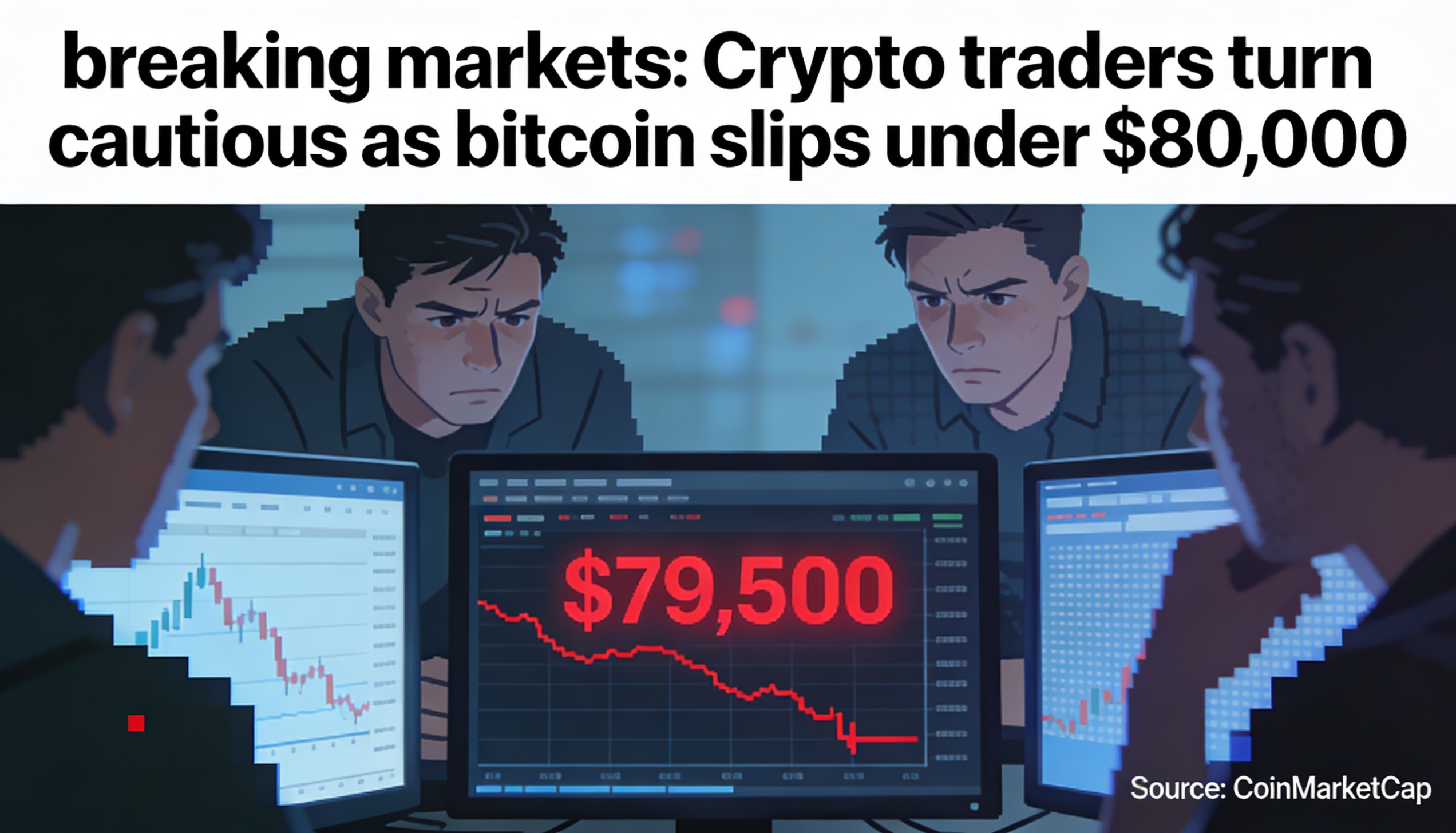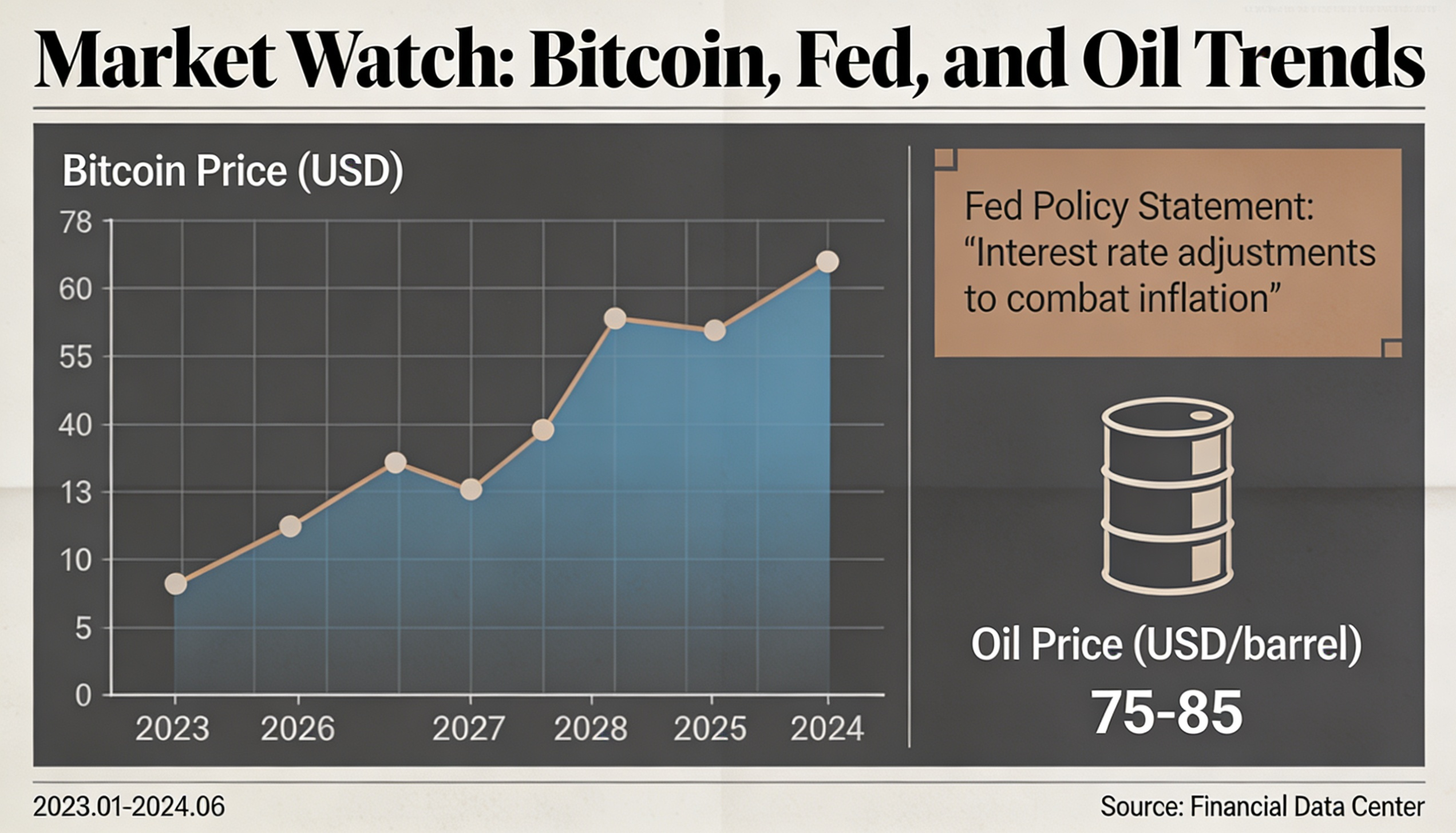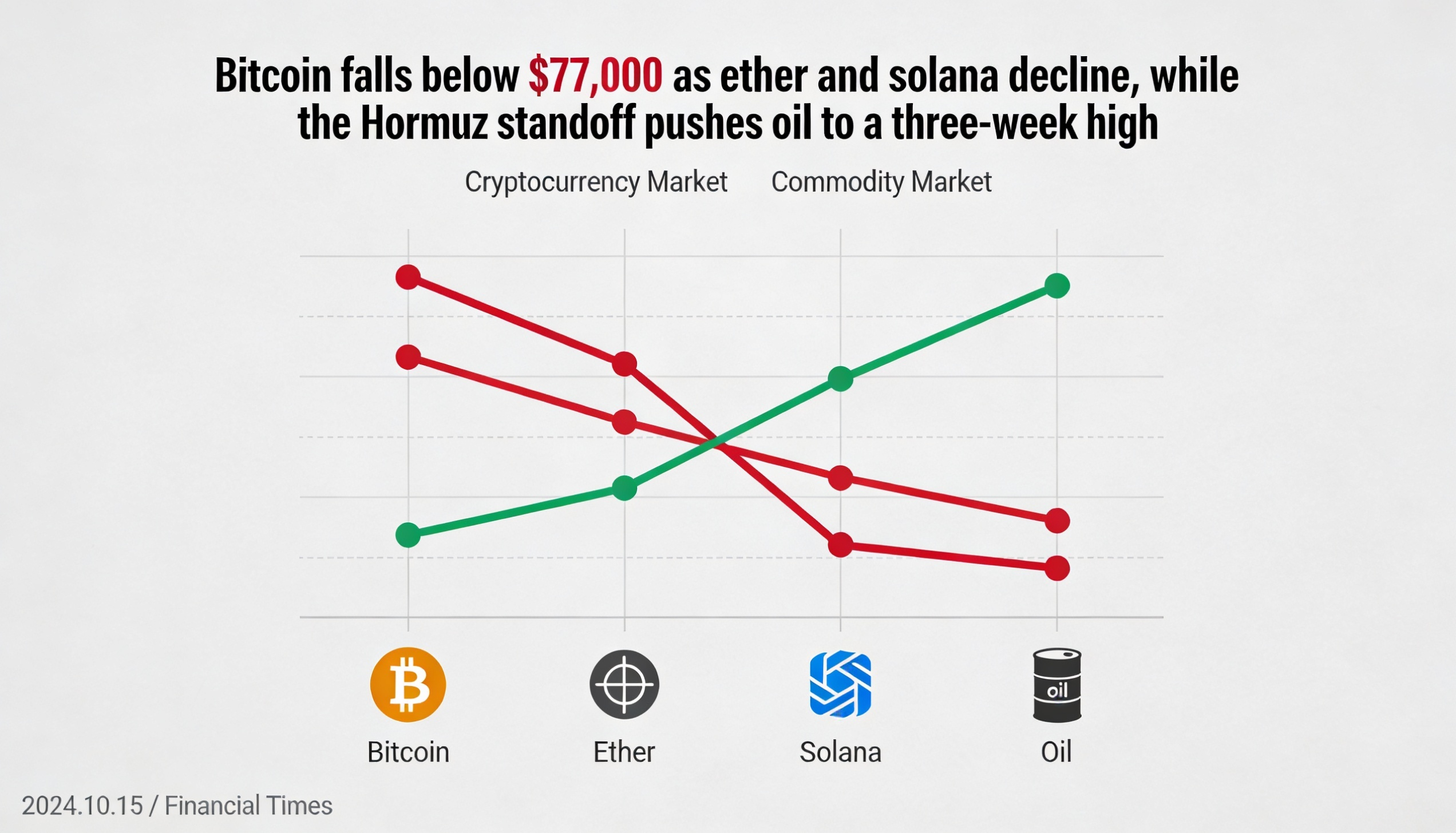
Bitcoin is up roughly 14% this month — its strongest showing in a year — with many traders eyeing a return above $80,000. But while spot prices push higher, derivatives markets are telling a more nuanced story.
Funding rates in the perpetual futures market have turned negative, a signal that typically suggests bearish positioning. The divergence has raised concerns among some participants that the rally may lack conviction.
Markus Thielen, founder of 10x Research, says that interpretation misses the bigger picture. According to him, the negative funding rates are not driven by outright bearish bets, but by institutional hedging strategies that are reshaping market dynamics.
Perpetual futures contracts, which track bitcoin’s price without expiry, use funding rates to stay aligned with spot markets. When futures trade above spot, long positions pay shorts, resulting in positive funding. When futures trade below spot, shorts pay longs, pushing the rate into negative territory.
Recently, those rates have remained consistently below zero. Bitcoin’s 30-day average funding rate is now around negative 5%, compared to a historical norm of roughly positive 8%, according to 10x Research. The gap has widened even as bitcoin’s price continues to rise.
Thielen argues this reflects structural positioning rather than a sentiment shift, highlighting three main sources of sustained short pressure.
The first comes from hedge fund redemptions. After years of underperforming bitcoin, many crypto hedge funds are facing investor withdrawals. During redemption windows, funds often short bitcoin futures to hedge exposure while waiting for capital to be returned — a mechanical process rather than a directional trade.
The second involves institutional strategies tied to Strategy (formerly MicroStrategy). Some investors are going long the company’s stock while shorting bitcoin futures, betting the equity will outperform. Others are targeting yield from Strategy’s preferred shares, using futures shorts to hedge away bitcoin price risk. With billions raised in April, these trades have expanded significantly.
The third factor is the shift among bitcoin miners toward artificial intelligence. Firms like Hut 8 are increasingly allocating resources to AI infrastructure, reducing reliance on mining revenue. Investors buying into these companies often short bitcoin futures to strip out crypto exposure, again using derivatives as a hedging tool.
Taken together, these flows suggest that negative funding rates are not necessarily a sign of weakening confidence in bitcoin. Instead, they point to a market increasingly influenced by institutional strategies, where short positions in futures are often part of broader hedging and arbitrage trades rather than outright bets against price.