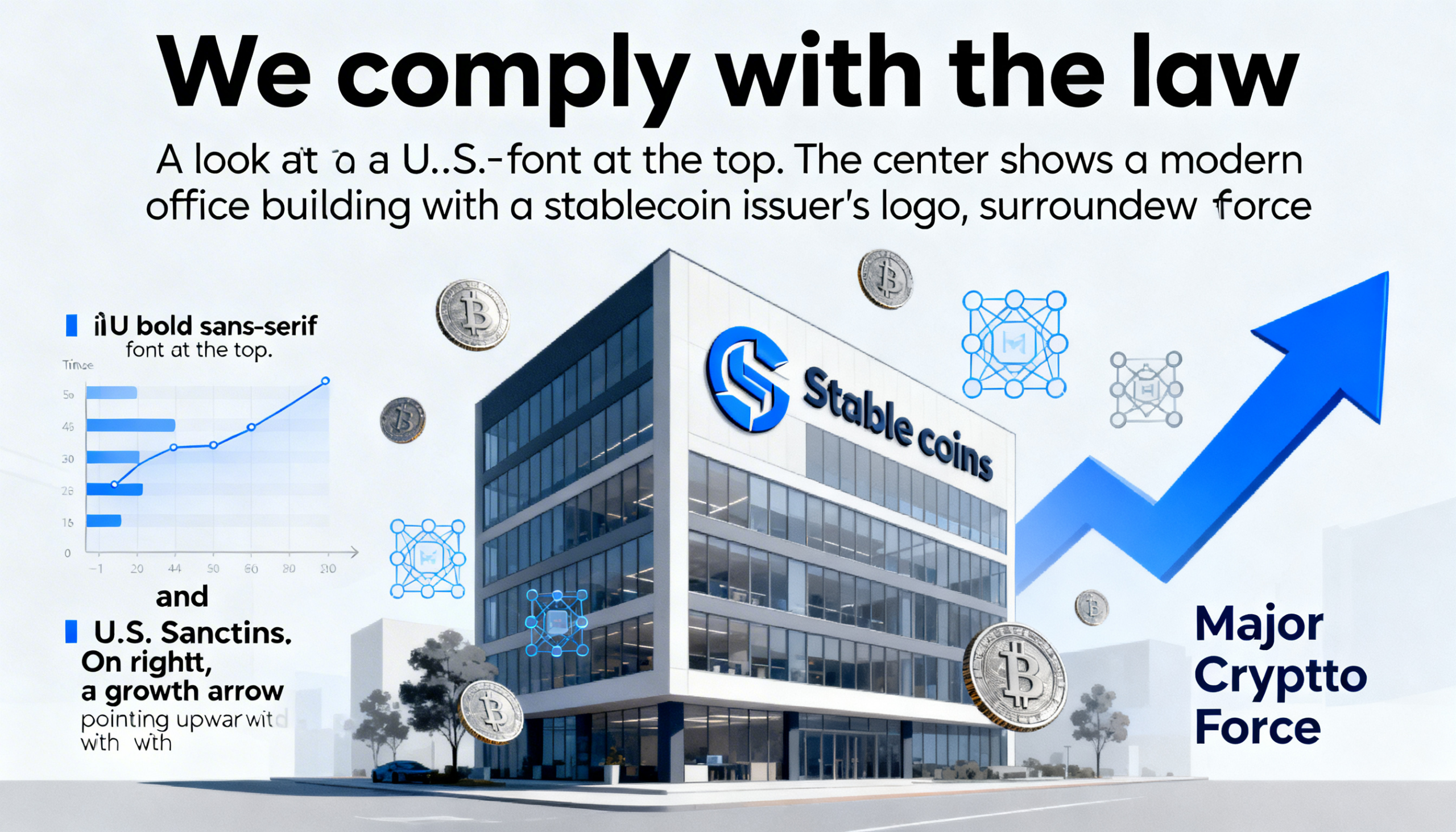
Oleg Ogienko, a senior executive at ruble-backed stablecoin issuer A7A5, says the company operates within the law even as its affiliated entities face U.S. sanctions.
In an interview with CoinDesk at Consensus Hong Kong, Ogienko described A7A5 as a fast-growing cross-border settlement network designed to support trade flows affected by geopolitical restrictions.
Incorporated in Kyrgyzstan, A7A5 issues a ruble-denominated stablecoin that expanded its circulating supply more rapidly last year than leading dollar-backed tokens such as Tether and USDC from Circle, according to industry data. Ogienko said regulatory compliance in its home jurisdiction is central to the firm’s operations.
“We are fully compliant with the regulations of Kyrgyzstan. We do not do illegal things,” he said, pointing to regular third-party audits, know-your-customer procedures and anti-money-laundering safeguards built into the platform. He added that the company aligns its controls with Financial Action Task Force standards.
However, A7A5’s network of affiliated entities complicates its global positioning. Old Vector LLC and A7 LLC, along with reserve-holding bank Promsvyazbank, are sanctioned by the U.S. Department of the Treasury. Those measures effectively cut the entities off from the U.S. dollar-based financial system and restrict dealings with U.S.-linked institutions.
Ogienko emphasized that while U.S. persons are barred from interacting with sanctioned entities, providing settlement tools for Russian companies engaged in international trade is not unlawful under Kyrgyz or Russian law. He positioned A7A5 as infrastructure catering to markets where such transactions remain legally permissible.
The stablecoin has gained traction among Russian businesses facing banking constraints, offering an alternative rail for cross-border payments. Through decentralized finance protocols, users can also access USDT liquidity without directly holding dollar-backed tokens.
Data from analytics firm Artemis show A7A5 increased its circulating supply by nearly $90 billion last year, surpassing the growth recorded by USDT and USDC during the same period.
Operating amid sanctions
Ogienko acknowledged that sanctions have created logistical hurdles and limited access to certain Western goods and services. Still, he argued that trade flows have continued, reshaped by new payment channels and demand for alternative settlement mechanisms.
He said A7A5’s core user base includes companies in Asia, Africa and South America that transact with Russian exporters and importers and require dependable cross-border payment options.
Liquidity remains constrained. Major centralized exchanges have so far avoided listing the token due to concerns about secondary sanctions risk. Decentralized exchanges host pools that allow swaps into USDT, though available liquidity is limited.
Ogienko said his trip to Hong Kong focused on expanding partnerships with exchanges and blockchain networks. A7A5 is currently live on Tron and Ethereum, with plans to explore additional network integrations.
Sanctions-related sensitivities have surfaced at industry events. At Token2049 in Singapore — organized by Hong Kong-registered BOB Group in a jurisdiction without sanctions on Russia — A7A5 was initially listed as a sponsor before references were later removed following concerns raised by other participants.
Despite the political backdrop, Ogienko said the company’s commercial ambitions remain intact. He outlined a target of eventually facilitating more than 20% of Russia’s international trade settlements through A7A5.
For now, the token is not available for domestic transactions in Russia, where lawmakers are still drafting stablecoin regulations. Ogienko described the firm’s engagement with Russian authorities as consultative, focused on digital asset regulation and financial infrastructure rather than direct government control.
“We’re not politicians. We are traders. We are businessmen,” he said. “We’re open for business cooperation with any country.”