Tokenized Real-World Assets Shift From Concept to Institutional Reality
Tokenized real-world assets (RWAs) were a key theme at Consensus Hong Kong 2026, where senior executives from across the financial and crypto sectors explored how blockchain technology is reshaping traditional markets. The panel featured Evan Auyang of Animoca Brands, Christian Rau of Mastercard, Nicola White of Robinhood, and was moderated by RedStone co-founder Marcin Kazmierczak.
Speakers referenced BlackRock COO Rob Goldstein’s recent remark that digital ledgers represent the most significant leap in financial infrastructure since the advent of double-entry bookkeeping. The comparison reflects growing institutional confidence that tokenization is more than a passing trend.
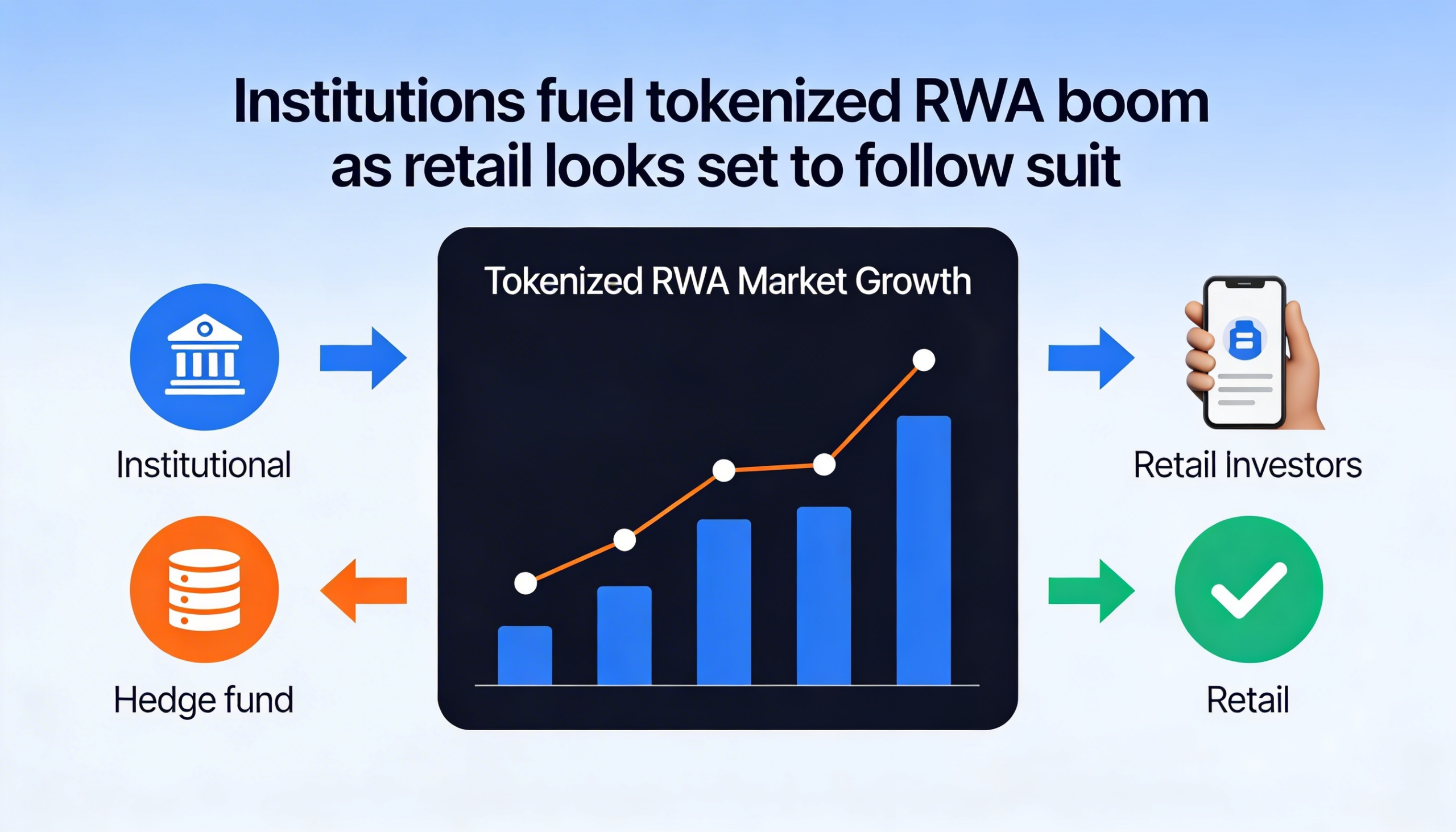
Today, activity in tokenized RWAs is largely concentrated among institutions. Demand centers on tokenized U.S. Treasuries, money market funds, stablecoin-linked instruments, and collateral optimization strategies. Flagship products such as BlackRock’s BUIDL fund, along with tokenization initiatives from Robinhood and Bitstamp, illustrate how established financial firms are integrating blockchain into mainstream investment products.
Retail engagement, however, remains limited. During the discussion, only a small share of attendees indicated personal exposure to tokenized RWAs, highlighting the early stage of consumer adoption. Panelists pointed to Europe’s clearer regulatory environment as a catalyst for tokenized equities, while identifying private credit, real estate, private equity, and alternative assets as sectors with strong long-term potential.
As companies stay private longer and investors increasingly seek fractional ownership and continuous liquidity, tokenization could help unlock access to vast pools of historically illiquid assets.
The panel’s conclusion was clear: tokenized RWAs have moved beyond speculative hype and are delivering tangible value for institutional investors. The next phase of growth will likely hinge on broader retail participation — a development that could unlock trillions of dollars in previously inaccessible markets once regulatory and infrastructure hurdles are overcome.