Japan’s planned interest rate increase and a strengthening yen could weigh on global risk assets, including cryptocurrencies, even as U.S. monetary policy moves toward easing.
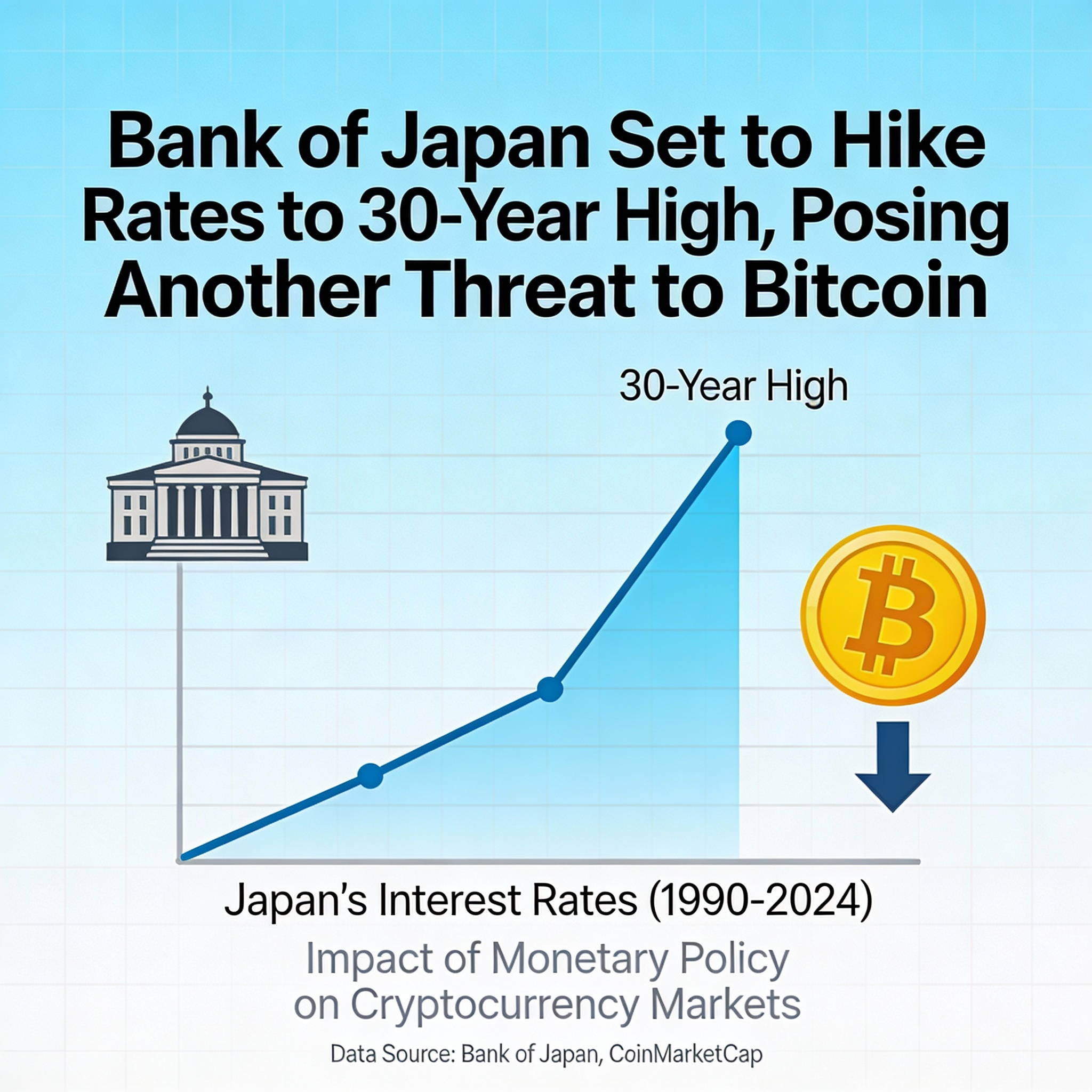
The Bank of Japan is expected to raise its policy rate by 25 basis points to 0.75% from 0.50% on Dec. 19, marking its first hike since January, according to Nikkei. If approved, this would take borrowing costs to their highest level in nearly 30 years.
Historically, a stronger yen has coincided with downward pressure on bitcoin and other digital assets, while a weaker yen has supported higher prices. Yen appreciation tightens global liquidity—a condition that often challenges bitcoin. The currency currently trades near 156 per dollar, slightly stronger than its late-November peak above 157.
The rate hike could also impact cryptocurrencies indirectly through equity markets by reducing the appeal of yen carry trades. Investors have long borrowed yen at ultra-low or negative rates to fund positions in higher-risk assets like U.S. equities and Treasurys. Higher rates could make these trades less attractive, potentially triggering broader risk aversion.
Past moves highlight the risk: when the BoJ last raised rates to 0.5% in July 2024, the yen rallied, contributing to a risk-off wave that pushed bitcoin from around $65,000 to $50,000.
Why the impact may be muted
This time, a sharp reaction seems less likely. Speculators are already net long the yen, and Japanese bond yields have climbed steadily throughout 2024, suggesting the upcoming hike mainly aligns official rates with market pricing. Meanwhile, U.S. monetary easing—via a 25-basis-point Fed rate cut and liquidity measures—reduces the odds of a broad yen carry unwind.
Still, Japan’s fiscal position, with debt near 240% of GDP, remains a longer-term concern. “High debt and rising inflation expectations raise questions about BoJ credibility, which could steepen JGB yields, weaken the yen, and shift Japan from a safe-haven profile toward fiscal risk,” MacroHive said.